Cabbage is one of the most popular cool-season vegetables grown in home gardens and enjoyed in kitchens around the world. With its tightly packed leaves, crisp texture, and mild flavor, cabbage can be eaten raw, cooked, fermented, or added to a wide variety of everyday dishes.
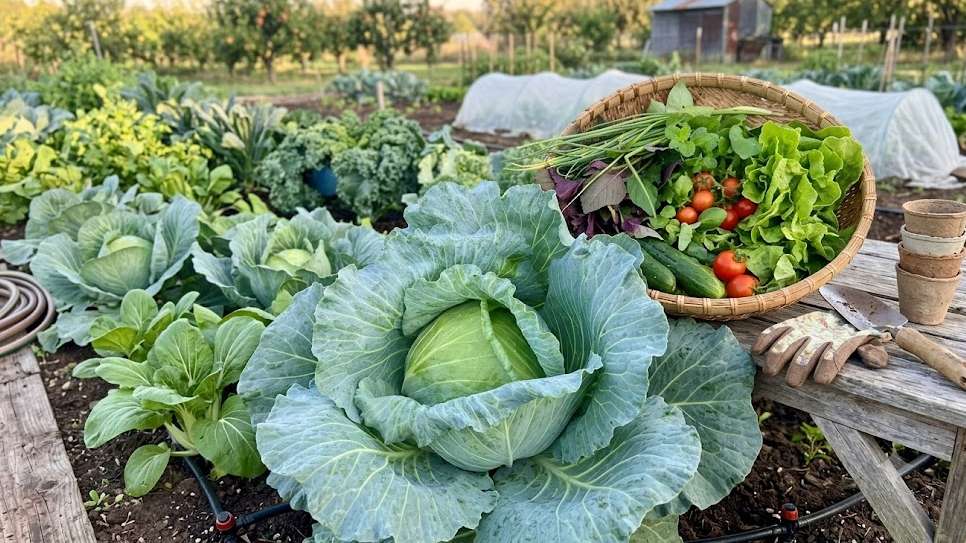
It is also an easy vegetable to grow when given the right growing conditions, making it a practical choice for both beginner and experienced gardeners.
Beyond its versatility in the kitchen, cabbage is a nutritious vegetable that provides vitamin C, vitamin K, fiber, and various plant compounds. Different cabbage varieties also offer different colors, textures, and flavors, from the familiar green cabbage to vibrant red cabbage and delicate Savoy cabbage.
Whether you want to learn more about cabbage nutrition, choose the best variety for your garden, or grow healthy heads at home, understanding the basics can help you get better results. This guide covers the main types of cabbage, potential health benefits, growing tips, common pests, harvesting, storage, and simple ways to enjoy this versatile vegetable.
What Is Cabbage? Types and Popular Varieties
Cabbage is a leafy vegetable belonging to the Brassicaceae family, which also includes broccoli, cauliflower, kale, Brussels sprouts, and other familiar garden crops. The most common cultivated cabbage is classified as Brassica oleracea var. capitata.
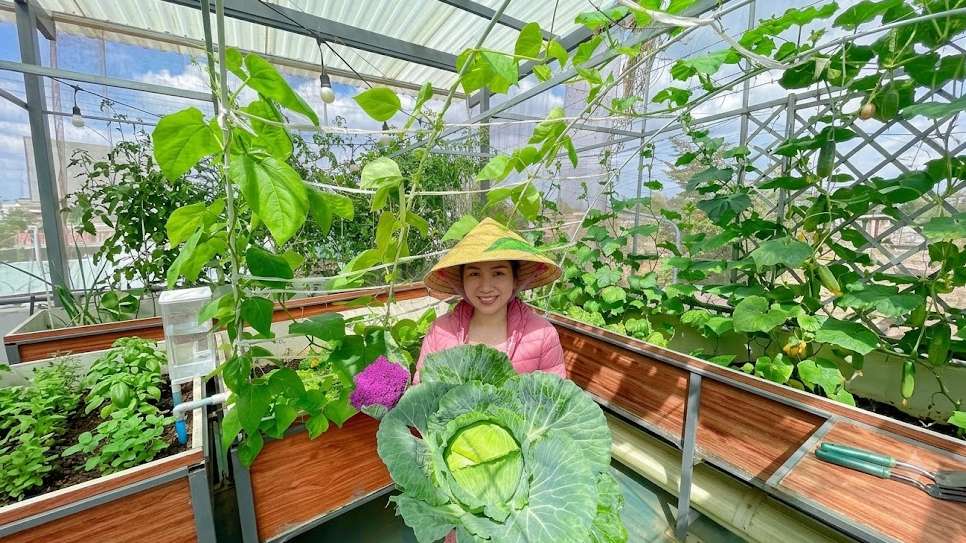
Unlike leafy greens that are harvested leaf by leaf, many cabbage varieties form a dense, rounded head as their leaves grow inward. The size, shape, color, and texture of the head depend on the variety.
- Green cabbage is perhaps the most familiar type. It forms a compact head with smooth green leaves and has a mild flavor that becomes sweeter when cooked. It is commonly used in coleslaw, soups, stir-fries, and cabbage rolls.
- Red cabbage develops attractive purple-red leaves that can add color to salads, slaws, and cooked dishes. Its deeper color comes from anthocyanins, natural pigments that are also found in many other colorful fruits and vegetables.
- Savoy cabbage has crinkled, textured leaves and a softer appearance than standard green cabbage. Its leaves are tender and work particularly well in soups, stir-fries, and stuffed cabbage recipes.
- Napa cabbage, sometimes called Chinese cabbage, has an elongated shape with pale green leaves and thick white stems. It has a lighter, slightly sweet flavor and is commonly used in Asian-style cooking, salads, soups, and fermented foods.
When choosing a variety to grow, consider your local climate, the length of the growing season, and how you plan to use the harvest. Early varieties can be useful when you want a quicker crop, while larger varieties may need more time to form mature heads.
Cabbage Nutrition and Potential Health Benefits
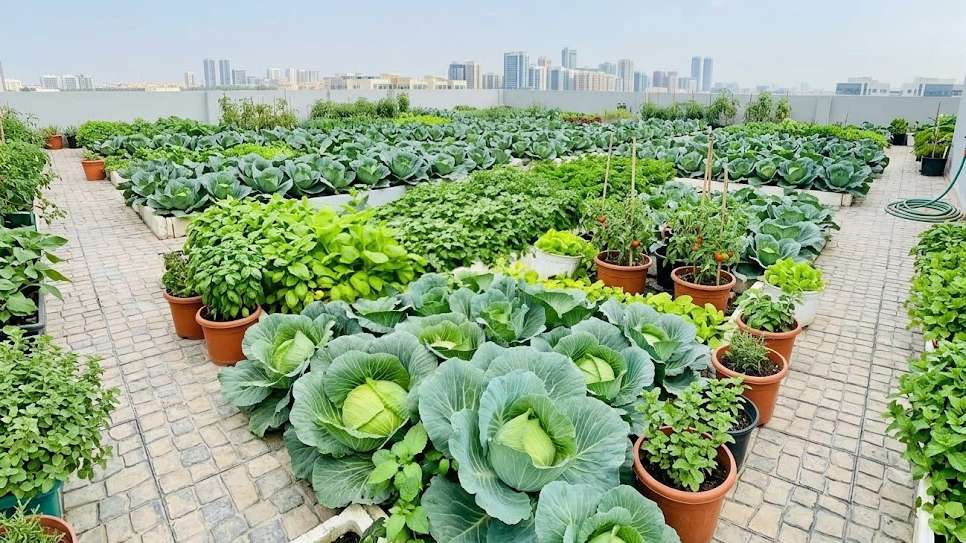
Cabbage is a low-calorie vegetable that provides important nutrients, including vitamin C, vitamin K, folate, and dietary fiber. It also contains natural plant compounds called glucosinolates, which are widely studied for their potential biological effects.
A Source of Vitamin C
Cabbage provides vitamin C, an essential nutrient that supports normal immune function, collagen production, and antioxidant protection. Including cabbage in a varied diet can contribute to daily vitamin C intake. (Source: NIH)
Provides Dietary Fiber
The fiber in cabbage can support normal digestive health and contribute to overall daily fiber intake. Eating cabbage alongside other vegetables, fruits, and whole grains is a simple way to add more fiber to the diet.
Contains Beneficial Plant Compounds
Cabbage contains glucosinolates, which can be converted into different biologically active compounds when the vegetable is cut, crushed, or chewed. Research suggests that the amount and type of these compounds can vary depending on the cabbage variety and cooking method. (Sources: Food Chemistry; NCBI)
Overall, cabbage is a nutritious and versatile vegetable that can be a valuable part of a balanced diet. While research continues to explore its plant compounds, cabbage should be enjoyed as part of a varied diet rather than viewed as a medicine or treatment.
References
- National Institutes of Health (NIH) – Vitamin C Fact Sheet for Health Professionals.
- Food Chemistry – Research on glucosinolates, anthocyanins, and vitamin C in cabbage.
- National Center for Biotechnology Information (NCBI) – Research on glucosinolates and cruciferous vegetables.
How to Grow Cabbage at Home
Cabbage generally grows best during cool weather. In many gardens, it can be grown as a spring or fall crop, depending on the local climate and variety.
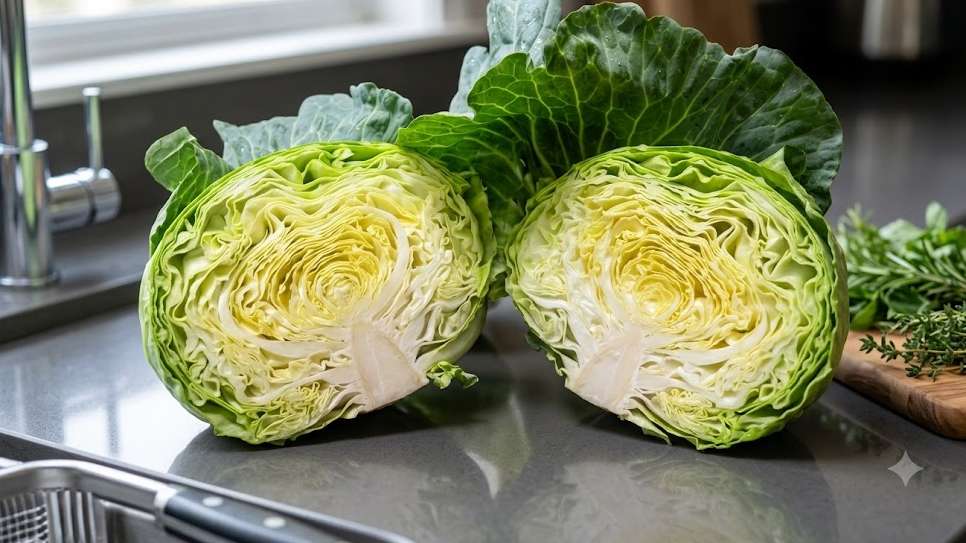
- Start by choosing a location that receives plenty of sunlight. Cabbage generally performs well with around six hours or more of direct sunlight each day. The soil should be fertile, well-drained, and able to hold consistent moisture without becoming waterlogged.
- Before planting, improve poor soil by incorporating mature compost or other organic matter. This can help improve soil structure and provide nutrients for healthy plant growth.
- Cabbage can be started from seeds or transplanted as young seedlings. If growing from seed, follow the recommended planting depth on the seed packet. When transplanting, handle seedlings carefully and give each plant enough space to develop a full head.
- Consistent watering is especially important. Cabbage needs regular moisture as the head develops, and uneven watering can contribute to poor growth. Water deeply when the soil begins to dry, while avoiding constantly soggy conditions.
- Mulching around the plants can help maintain soil moisture and reduce weed competition. However, avoid piling mulch directly against the stem.
- Fertilization should be based on soil conditions and the needs of the variety. Avoid excessive nitrogen, as too much fertilizer can encourage leafy growth without producing the firm, well-formed heads you want.
Crop rotation is also useful. Since cabbage belongs to the brassica family, avoid planting it repeatedly in the same location year after year. Rotating crops can help reduce the buildup of certain pests and diseases associated with brassica crops.
Common Cabbage Pests That Eat the Leaves
One of the biggest challenges when growing cabbage is protecting the leaves from insects. Several pests can feed on cabbage and other cole crops, including cabbage loopers, imported cabbageworms, diamondback moth larvae, flea beetles, and cabbage aphids.
- Cabbage worms and cabbage loopers are among the most recognizable pests. Their larvae chew irregular holes in the leaves and can cause significant damage if populations become large. Check the upper and lower surfaces of leaves regularly, especially during periods of active insect activity.
- Aphids are small insects that often gather in clusters on young leaves or around growing points. Heavy infestations can weaken plants and cause distorted growth.
- Flea beetles create many small holes in leaves, particularly on young plants. Seedlings are more vulnerable because extensive leaf damage can slow early growth.
The best approach is to monitor plants regularly rather than waiting until damage becomes severe. Check your cabbage every few days and look carefully at the undersides of leaves.
For small gardens, removing caterpillars by hand can be an effective first step. Floating row covers or insect netting can also help prevent adult moths from reaching plants and laying eggs.
Gardeners can also use an integrated pest management approach that combines physical barriers, regular monitoring, crop rotation, and targeted biological controls when necessary. The goal is to manage pests while minimizing unnecessary disruption to beneficial insects.
How to Care for Healthy Cabbage Plants
Once cabbage is established, consistent care is the key to producing strong plants and firm heads.
- Keep the soil evenly moist, particularly during hot or dry weather. Water stress can slow growth and affect the development of the cabbage head.
- Remove weeds regularly because weeds compete with cabbage for water, nutrients, and sunlight. A layer of organic mulch can help reduce weed growth while keeping the soil cooler and more evenly moist.
- Continue checking plants for insects as they grow. Early detection is much easier to manage than a serious infestation. Look for holes, chewed leaf edges, clusters of small insects, and caterpillar droppings.
- Good air circulation is also helpful. Avoid overcrowding plants, and follow the spacing recommendations for the specific variety you are growing.
- If the cabbage head is developing slowly, review the growing conditions. Insufficient sunlight, poor soil fertility, inconsistent watering, and excessive heat can all affect plant performance.
Cabbage is generally a cool-season crop, so choosing the right planting time is one of the most important decisions you can make. In warm climates, growing cabbage during the cooler months may produce better results than trying to grow it through the hottest part of summer.
When Is Cabbage Ready to Harvest?
The exact harvest time depends on the variety, but cabbage is usually ready when the head has reached a good size and feels firm when gently squeezed.
- Do not wait too long if the head is already mature. Overly mature cabbage can become more vulnerable to splitting, particularly when the plant receives a sudden increase in water after a dry period.
- To harvest, use a clean, sharp knife to cut the head near the base. Leave some outer leaves attached if you want to protect the harvested head during handling.
- Some cabbage plants may produce smaller secondary heads after the main head is removed, although this depends on the variety and growing conditions.
Harvest cabbage during cool parts of the day when possible. After harvesting, remove damaged outer leaves and move the heads into a cool storage environment as soon as practical.
How to Store and Enjoy Fresh Cabbage
Fresh cabbage can last for quite some time when stored properly. Keep whole, unwashed heads in the refrigerator and remove only the outer leaves you plan to use.
- Avoid washing the entire head before storage because excess moisture can encourage deterioration. Instead, wash the portion you are preparing immediately before eating or cooking.
Cabbage is extremely versatile in the kitchen. Green cabbage can be shredded for coleslaw, added to soups, stir-fried with other vegetables, or used in cabbage rolls.
- Red cabbage is especially attractive in fresh salads and slaws, where its bright color adds visual appeal. Savoy cabbage works well in soups and stuffed cabbage dishes because of its tender, flexible leaves.
Napa cabbage is excellent for stir-fries, soups, salads, and fermented preparations. Its crisp stems and delicate leaves provide a pleasant combination of textures.
Cabbage can also be fermented into foods such as sauerkraut and other traditional preparations. If you enjoy growing your own vegetables, growing several cabbage varieties can give you a wider range of flavors and cooking options throughout the season.
Final Thoughts: Why Cabbage Is Worth Growing
Cabbage is a practical vegetable for the home garden because it combines nutritional value, versatility, and a wide selection of varieties. Whether you prefer the familiar flavor of green cabbage, the vibrant color of red cabbage, the delicate leaves of Savoy cabbage, or the mild texture of Napa cabbage, there is a type to suit almost every kitchen.
The leaves may attract insects, but early monitoring and simple protective measures can make a significant difference. With good care, even beginner gardeners can grow healthy cabbage and enjoy the satisfaction of harvesting fresh vegetables directly from the garden.
If this guide helped you learn something new about cabbage or inspired you to grow it at home, feel free to share it with another gardener who may find it useful.
FAQ About Cabbage
What is cabbage? Cabbage is a cool-season leafy vegetable from the Brassicaceae family, with popular types including green, red, Savoy, and Napa cabbage.
Is cabbage healthy? Yes. Cabbage provides vitamin C, vitamin K, folate, dietary fiber, and beneficial plant compounds.
How long does cabbage take to grow? Most cabbage varieties take about 60 to 100 days to reach harvest, depending on growing conditions.
Does cabbage need full sun? Yes. Cabbage generally grows best with plenty of sunlight and consistently moist, well-drained soil.
What pests eat cabbage leaves? Common pests include cabbageworms, cabbage loopers, aphids, and flea beetles.