Knowing when to harvest bitter melon can make a big difference in the quality of the crop. From my experience, picking the fruit at the right time gives it the best texture and flavor.
If left on the vine for too long, bitter melon can quickly become overly mature, change color, and develop a much stronger bitterness.

How Long Does Bitter Melon Take to Mature?
In my garden, bitter melon usually starts growing quickly once the weather becomes warm and the plants are well established. Depending on the variety and growing conditions, I often find that the fruits are ready to harvest around 12 to 20 days after flowering.
However, I do not rely too much on the calendar. Warm weather, sunlight, watering, soil conditions, and even the variety can all affect how quickly the fruits develop.
Instead, I usually watch the fruits themselves. After growing bitter melon for a while, you start to notice small changes that tell you when it is getting close to harvest time.
What Does Ready-to-Harvest Bitter Melon Look Like?
The first thing I usually check is the color.
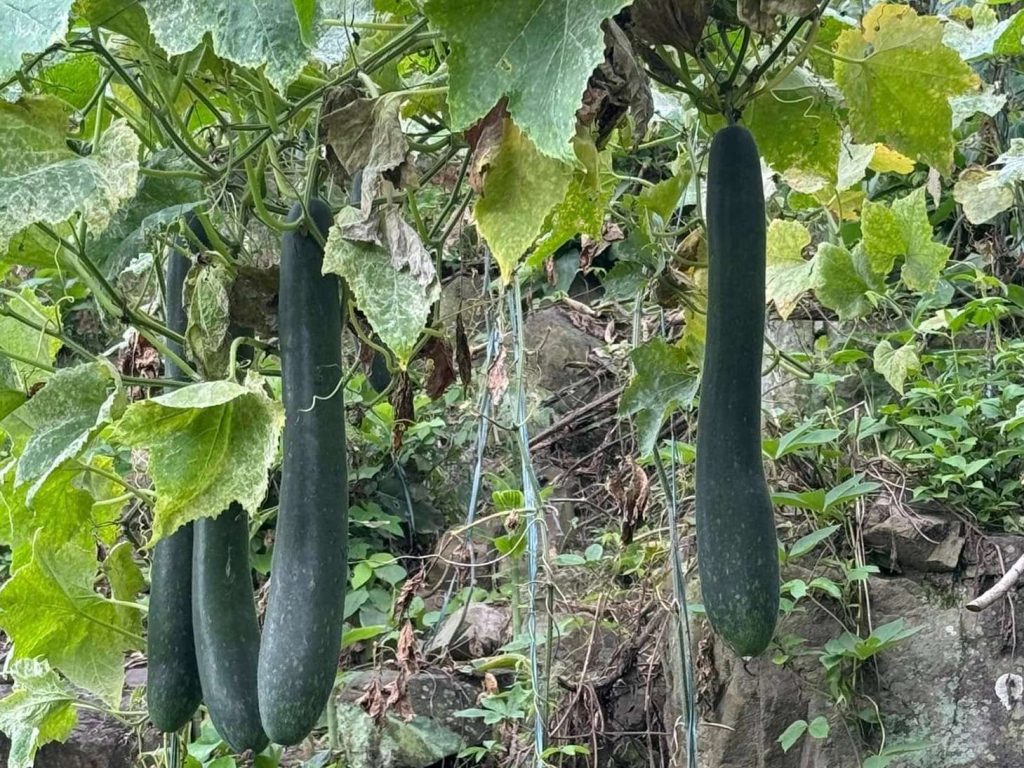
For bitter melon that I plan to cook, I prefer harvesting it while the fruit is still green and has an even, healthy-looking color. Once I start seeing noticeable yellow or orange areas, I know that the fruit may be getting too mature.
I also look at the ridges and bumps on the surface. As the fruit develops, these become more clearly defined, giving the bitter melon its familiar appearance.
Size can help, but I have learned not to depend on it too much. Different varieties can produce very different-sized fruits, so a large bitter melon is not always ready, while a smaller variety may already be perfect for harvesting.
Over time, the easiest method is simply getting familiar with the variety growing in your own garden.
Check the Texture
I also like to gently touch the fruit before picking it.
A ready bitter melon should feel firm and well developed. There is no need to squeeze it hard. A light touch is usually enough.
If a fruit feels soft, looks swollen, or has started changing color, I usually know that I have waited a little too long. On the other hand, very small fruits that still look thin and underdeveloped are often better left on the vine for a few more days.
This becomes much easier once you start harvesting regularly. After picking a few fruits, you begin to recognize what the right stage feels like.
Pay Attention to the Skin
The skin is another thing I pay close attention to during the harvest season.
Young bitter melons usually have a fresh green color and clearly defined ridges. As the fruit continues to mature, the color may gradually become lighter before eventually turning yellow or orange.
If I am growing bitter melon for everyday cooking, I do not wait for it to reach that fully mature stage. I prefer picking the fruits while they are still green, firm, and tender.
During the main harvest period, I usually check the plants every day or two. Bitter melon can develop surprisingly quickly, and a fruit that looks almost ready today may be perfect just a couple of days later.
The Flowering Date Can Help
Another habit that has helped me is paying attention to when the female flowers appear.
Once a female flower is pollinated, the small fruit behind it starts growing quickly. Sometimes I simply make a mental note of when I first notice new fruits forming.
After watching the plants through a few growing cycles, you begin to recognize roughly how long your own bitter melons usually take to develop.
I still check the fruit before harvesting, but knowing when the flowers appeared gives me a useful idea of when I should start watching more closely.
Should You Pick Bitter Melon Before It Turns Yellow?
If I am growing bitter melon mainly for cooking, I usually harvest it while it is still green.
Once the fruit turns yellow or orange, it has reached a much more mature stage and the texture can change noticeably. It may also begin opening and releasing mature seeds.
For tender bitter melon to use in stir-fries, soups, salads, and other dishes, I find that green fruits are usually the best stage to harvest.
However, if I want to save seeds, I intentionally leave a few healthy fruits on the vine longer and allow them to fully mature.
When to Harvest Bitter Melon for Cooking
The ideal harvest stage depends somewhat on the recipe.
For everyday cooking, I like bitter melons that are firm, green, and well-developed but not showing signs of over-maturity.
At this point, the fruit is easy to slice and still has the crisp texture associated with fresh bitter melon.
If you prefer a milder texture, you may want to harvest slightly earlier. If you like a more developed flavor, you can allow the fruit to stay on the vine a little longer.
There is no single perfect size for every gardener.
The important thing is learning what stage gives you the texture and flavor you enjoy most.
If you are also learning how to grow and care for the plant throughout the season, our guide to When to Harvest Bitter Melon can help you understand the harvest stage and recognize the right signs before picking.
What Happens If You Leave Bitter Melon on the Vine Too Long?
An overripe bitter melon usually becomes easier to recognize.
The green color may begin changing toward yellow or orange. The fruit can also become softer, and the skin may look different from the firm green fruits you normally harvest for cooking.
Eventually, the fruit may split open.
At this stage, the seeds inside are becoming mature, so the fruit is no longer at the ideal stage for many common recipes.
However, an overripe fruit is not necessarily useless. If your goal is to collect seeds for next year’s garden, allowing selected fruits to mature fully can be useful.
Final Thoughts
For me, knowing when to harvest bitter melon mostly comes down to watching the fruit. I look for melons that are green, firm, and well developed, then pick them before they become too mature.
With a little practice, it becomes much easier to recognize the right time. Regular harvesting also helps keep the plant producing more fruit throughout the season.