With plenty of sunlight, healthy soil, and a good trellis, one plant can produce a generous harvest. If you enjoy growing fresh, naturally grown vegetables at home, bitter melon is well worth trying.
What Is Bitter Melon?
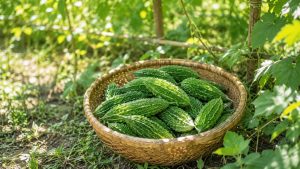
Bitter melon (Momordica charantia) is a warm-season climbing vine in the cucumber family, Cucurbitaceae. Also called bitter gourd, it produces green fruits with a distinctive ridged or warty surface and a naturally bitter flavor. The fast-growing plant has lobed leaves, small yellow flowers, and curling tendrils that help it climb trellises, fences, and other garden supports.

Bitter Melon Plant Characteristics
Bitter melon is usually grown as an annual in home gardens, particularly in regions where winter temperatures are too cold for it to survive.
The vines can become quite long during a warm growing season. Young stems are soft and green, while mature vines become stronger as the plant develops.
The leaves are green and deeply divided into several lobes. They create good coverage as the vine climbs a trellis.
Bitter melon produces separate male and female flowers on the same plant. The flowers are yellow and relatively small. After successful pollination, the female flowers develop into fruits.
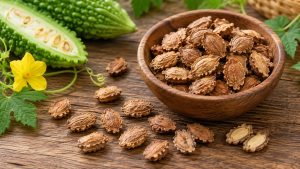
The young fruits are generally green and firm. As they mature, some varieties change color and may eventually turn yellow or orange. Gardeners usually harvest the fruits while they are still green.
Because the vines grow quickly, it is a good idea to think about support before planting rather than waiting until the plant has already become tangled.
Where Does Bitter Melon Come From?
Bitter melon has been cultivated for generations in tropical and subtropical parts of Asia, Africa, and other warm regions.
It has become an important vegetable in many traditional food cultures and is now grown in gardens around the world.
The plant naturally prefers warm weather, which explains why it performs especially well during summer. It does not enjoy cold soil or prolonged cool temperatures.
For gardeners in warm climates, bitter melon can have a long productive season. In cooler areas, it is usually grown after the weather has warmed and may be started indoors to give the plants a head start.

How to Grow and Care for Bitter Melon
Bitter melon is fairly easy to grow if you give it warmth, sunlight, good soil, and a strong trellis. I like to prepare the planting area with compost or well-rotted organic matter rather than relying heavily on synthetic fertilizer.
Plant bitter melon in a sunny location where the vines have plenty of room to climb. A sturdy trellis or fence makes a big difference because the vines grow quickly and the fruits are easier to find and harvest when they are off the ground.
Keep the soil evenly moist, especially during hot, dry weather. I usually water deeply when the soil begins to dry rather than giving the plant small amounts of water every day. Organic mulch around the base can also help retain moisture and protect the soil during summer.

For feeding, keep things simple. Compost and aged manure can provide steady nutrients throughout the growing season. Avoid using too much nitrogen because it can encourage lots of leaves and vines without necessarily producing more fruit.
Once the plant starts flowering, give it time to attract bees and other pollinators. Good pollination is important for fruit production, so I avoid unnecessary pesticide use around flowering plants.
If your goal is to harvest plenty of bitter melon, regular picking is one of the most useful habits. Check the vines often and harvest fruits while they are still green and firm. Leaving too many mature fruits on the plant can reduce the production of new ones.
In my experience, bitter melon does not need complicated care. Healthy organic soil, plenty of sun, steady moisture, a good trellis, and regular harvesting are usually enough to keep the plant growing strongly and producing fruit.
How to Get More Bitter Melon Fruits
A healthy plant does not always mean a productive plant. Bitter melon can sometimes produce impressive vines and lots of leaves while giving you fewer fruits than expected.
The first thing I check is sunlight. If the plant is growing in too much shade, moving it to a brighter location can make a noticeable difference.
Next, look at the soil and watering. Plants under constant stress from dry soil may struggle to flower and produce fruit consistently.
Do not be tempted to keep adding fertilizer whenever the plant looks leafy. Too much nitrogen can encourage vegetative growth instead of helping you get the harvest you want.
A strong trellis is also important. When the vines can climb freely, the plant gets better air movement and the fruits are easier to see.
Once production starts, harvest regularly. This is one of the simplest ways to keep paying attention to the plant and avoid allowing too many fruits to become overly mature.
For a home garden, I would focus on healthy soil and steady care rather than trying to force the plant with heavy feeding.
How Long Does Bitter Melon Take to Grow?
Bitter melon usually grows quickly in warm weather. From planting to the first harvest often takes about 60 to 70 days, depending on the variety and growing conditions. The vines grow first, followed by yellow flowers and young fruits. Once production begins, healthy plants can continue producing for several weeks with regular harvesting.
How to Harvest Bitter Melon
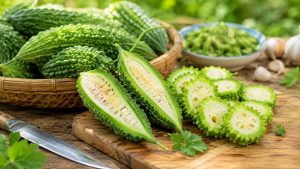
Harvest bitter melon while the fruits are still green, firm, and well developed. Check the vines regularly because the fruits can grow quickly in warm weather. Look for a fresh green color and clearly developed ridges. Use clean garden scissors or pruning shears to cut the fruit rather than pulling it from the vine. Most gardeners prefer harvesting before the fruit turns yellow or orange. Regular picking can also encourage continued production. If you are growing bitter melon for the first time, try harvesting at different stages to find the size and maturity you prefer.
How to Store Fresh Bitter Melon
Fresh bitter melon should be stored in the refrigerator.
Keep the fruits dry and avoid bruising them during handling. A breathable produce bag or suitable refrigerator container can help protect the fruit.
If you harvest more than you can use immediately, sort through the fruits and use damaged or soft ones first.

Whole, firm fruits generally store better than cut pieces. Once bitter melon has been cut, place it in a clean covered container and refrigerate it.
As with most fresh garden vegetables, bitter melon is best when used while it is still fresh and firm.
If you have a large harvest, consider cooking or preserving some of it rather than allowing the fruits to sit in storage for too long.
How to Eat Bitter Melon
Bitter melon has a distinctive flavor that can take some getting used to. It is commonly cooked rather than eaten raw.
One of the simplest ways to prepare it is to slice the fruit and cook it with eggs, vegetables, or other ingredients.

It can also be used in:
- Stir-fries
- Soups
- Stuffed vegetable dishes
- Pickled preparations
- Vegetable combinations
- Egg dishes
The seeds and inner white portion can be removed before cooking, especially when using larger fruits.

Different cooking methods can change the texture and balance the strong flavor. If you are new to bitter melon, starting with a small amount mixed with familiar vegetables can be an easy way to introduce it to your meals.
Bitter Melon Varieties
There are many different bitter melon varieties, and they can vary greatly in appearance.
Some varieties produce long, narrow fruits with relatively small bumps. Others produce shorter fruits with deep ridges and a more pronounced warty surface.
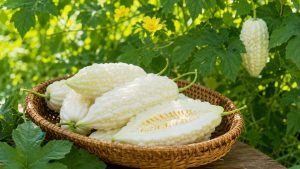
Color can also vary depending on the variety and maturity.
When choosing seeds, consider what type of fruit you actually want to grow and eat. A small garden may be better suited to a variety with manageable fruit size, while gardeners with more space may enjoy growing larger-fruited types.
If you are new to the plant, starting with one reliable variety is often easier than planting several types at once.
Once you understand how bitter melon grows in your garden, you can experiment with different varieties in future seasons.
Growing Bitter Melon Organically at Home
Bitter melon fits very well into a garden focused on fresh, naturally grown food.
You do not need a complicated system to grow a healthy plant. Building good soil over time with compost, aged organic matter, mulch, and plant material can make the garden more productive.
I also like the idea of growing vegetables alongside herbs and other useful plants. A diverse garden feels more natural and gives you more food to harvest throughout the season.
Avoiding unnecessary chemical treatments is another good habit for a home garden. When plants are healthy and the garden is regularly observed, many problems can be noticed early.
Growing your own bitter melon also gives you control over how the crop is produced. You know what was added to the soil, how the plants were watered, and when the fruits were harvested.
For anyone trying to grow more of their own food, that is one of the biggest rewards of gardening.
Tips for Growing Bitter Melon
Give bitter melon plenty of sunlight and a sturdy trellis from the beginning. Keep the soil evenly moist and improve it with compost or well-rotted organic matter. Avoid excessive fertilizer, especially nitrogen. Encourage pollinators by keeping the garden naturally welcoming to bees. Harvest fruits regularly, and give the vines enough space to grow without becoming overcrowded.
Conclusion
Bitter melon is a productive and interesting vegetable for a home garden. Its vigorous vines make good use of vertical space, while regular harvesting can provide fresh fruit throughout the warm growing season. The plant does not require complicated care. With sunny conditions, healthy organic soil, consistent moisture, a sturdy trellis, and regular harvesting, even a beginner can grow a productive crop. If you are interested in growing clean, homegrown vegetables and useful plants, bitter melon is certainly worth adding to your garden.
FAQ
Is bitter melon easy to grow?
Yes. Bitter melon is relatively easy to grow when given warm weather, plenty of sunlight, healthy soil, regular moisture, and a sturdy support.
Does bitter melon need a trellis?
Yes, a trellis is highly recommended. The vines climb naturally and can become quite long during the growing season.
How much sunlight does bitter melon need?
Bitter melon grows best in full sun. A bright location helps support strong vines, flowering, and fruit production.
When should I harvest bitter melon?
Harvest bitter melon while the fruits are green, firm, and fully developed for their variety. Most gardeners prefer to harvest before the fruit becomes yellow or orange.
How do you store fresh bitter melon?
Store whole bitter melon in the refrigerator. Keep the fruits dry and use them while they are still firm and fresh.
Why does my bitter melon have lots of leaves but few fruits?
Too much shade, excessive nitrogen, inconsistent watering, or poor pollination can contribute to low fruit production. Start by checking sunlight, soil moisture, and flowering activity.