Elderberry is a hardy shrub that fits well into a productive home garden, especially for growers interested in herbs, traditional plants, and useful crops. It produces clusters of small flowers followed by dark berries. With good soil, steady moisture, and regular pruning, elderberry can become a long-lived and dependable plant for the garden.
What Is Elderberry?
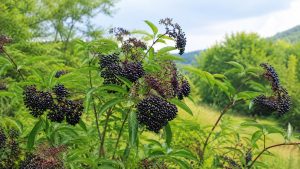
Elderberry refers to several species in the genus Sambucus, with European elder (Sambucus nigra) and American elder (Sambucus canadensis) among the best-known types. These deciduous shrubs can grow several feet tall and wide, producing compound leaves, clusters of small white flowers, and dark purple to nearly black berries. The plants are valued in gardens for their flowers, fruit, wildlife interest, and long history of traditional use.
Botanical Characteristics
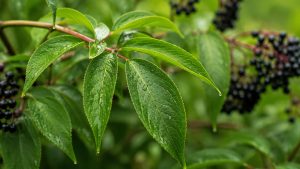
Elderberry is a deciduous woody shrub with upright stems that often branch from the base. The compound leaves usually have several pointed leaflets arranged along a central stem. In late spring or early summer, flat or rounded clusters of small white to cream-colored flowers appear. After flowering, the plant develops clusters of berries that gradually darken as they mature.
One thing I like about elderberry is that it has a strong, fast-growing appearance once established. A healthy plant can put on considerable new growth during the growing season, so giving it enough room from the beginning makes maintenance much easier.
Where Elderberry Comes From and Where It Grows
Elderberry has a long history across parts of Europe and North America. Different Sambucus species are native to different regions, but they generally favor areas where soil retains some moisture without staying waterlogged.
In the wild, elderberry can often be found along woodland edges, stream banks, roadsides, open forests, and other places where sunlight reaches the ground. American elderberry is particularly well adapted to many parts of the eastern and central United States.
From a grower’s perspective, its natural habitat gives you a useful clue about how to care for it. Elderberry likes moisture and reasonably fertile soil, but that does not mean it should sit in standing water. A location with good drainage and dependable moisture usually gives better results than a dry, compacted planting site.
I also find that elderberry performs best when it has plenty of room. Although young plants may look small when first planted, established shrubs can become quite large during the growing season.
A Brief History of Elderberry
Elderberry has been part of traditional food and plant culture for centuries. In Europe, elder plants were commonly found around rural homes, gardens, field edges, and other settled areas. The flowers and berries became familiar ingredients in traditional preparations, particularly in places where the shrub grew naturally.
Different communities developed their own ways of working with elder flowers and berries. Flowers were sometimes used in drinks and food preparations, while cooked berries were made into preserves, jellies, syrups, and other traditional foods.
As European settlement expanded into North America, elderberry also became an important familiar plant in many rural landscapes. Native American elderberry species were already part of local ecosystems, while European varieties were introduced and cultivated in gardens.
Today, elderberry has found a place in home gardens, homesteads, native-plant landscapes, and specialty herb gardens. For growers, part of its appeal is simple: it is a productive shrub that can provide flowers and fruit without requiring the intensive care demanded by many annual crops.
How Elderberry Has Traditionally Been Used
Elderberry has a long history of traditional food use. In many households, the ripe berries were cooked and turned into preserves, jellies, syrups, sauces, and other preparations. The flowers were also used in certain traditional drinks and food recipes.
The berries have an important food-safety consideration: they are generally not treated like ordinary fresh berries that can simply be picked and eaten without preparation. Traditional preparations commonly involve cooking or otherwise properly processing the fruit.
For gardeners growing elderberry today, I think it is useful to separate the history of the plant from modern health claims. There is a long record of people using elderberry as a traditional food and herb, but that history should not be confused with proven medical treatment.
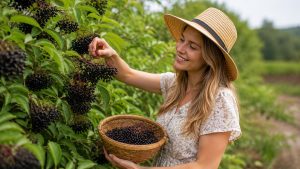
If you grow the plant yourself, the simplest approach is to think of it as a useful garden crop with a fascinating history. Grow it well, harvest mature fruit carefully, and process the berries properly before using them as food.
How to Grow Elderberry
Growing elderberry is not particularly difficult, but the planting location makes a big difference. I would rather spend extra time preparing the soil before planting than try to correct poor growing conditions later.
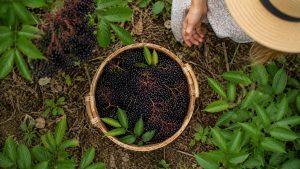
Choose a Good Planting Location
Start with a location that receives plenty of sunlight. Elderberry can tolerate some partial shade, but plants grown for good fruit production generally perform better with several hours of direct sunlight.
If your garden has a spot that receives morning and afternoon sun but stays reasonably moist, that can be a good choice.
Avoid extremely dry locations. Elderberry grows vigorously when it has dependable access to moisture, especially during active growth and fruit development.
Prepare the Soil
Elderberry prefers fertile soil with good drainage and plenty of organic matter. Before planting, I like to work mature compost into the planting area rather than relying entirely on fertilizer.
The soil should hold enough moisture for the roots but should not remain saturated after rain. Heavy, poorly drained soil can create problems for many shrubs, and elderberry is no exception.
If the soil is compacted, loosen it before planting. Good root development during the first year makes a noticeable difference later.
Planting Elderberry
Spring is often a convenient time to plant young elderberry plants, particularly in areas where winters are cold. Fall planting can also work in suitable climates when the ground is not frozen and the plant has enough time to establish roots.
Dig a hole wider than the root system and position the plant at approximately the same depth it was growing in its container or nursery bed. Backfill with the native soil mixed with compost if needed.
Water thoroughly after planting.
Do not plant elderberries too close together simply because the young plants look small. Give mature shrubs enough room for air movement, harvesting, and pruning.
Watering
Consistent moisture is one of the most important parts of elderberry care.
During the first growing season, check the soil regularly. Water deeply when the upper layer begins to dry rather than giving the plant a small amount of water every day.
Once established, elderberry is more forgiving, but prolonged dry weather can still reduce growth and fruit production. Mulching around the base can help slow evaporation and keep the root zone more stable.
I prefer organic mulch such as shredded leaves, straw, or composted material. Keep mulch slightly away from the main stems rather than piling it directly against them.
Fertilizing
Elderberry is a relatively vigorous plant, so it does not usually need aggressive feeding. Start with fertile soil and plenty of organic matter.
A layer of compost around the plant in spring can provide a gentle source of nutrients. If additional fertilizer is needed, use a balanced garden fertilizer according to the product directions.
Too much fertilizer can encourage excessive leafy growth at the expense of balanced plant development, so more is not always better.
Pruning
Pruning is one of the jobs I would not skip with elderberry. The shrub produces new shoots from the base, and older stems can become less productive over time.
Remove dead, damaged, or weak stems first. Older woody canes can also be removed periodically to encourage younger growth from the base.
The goal is not to cut the plant down unnecessarily. Instead, maintain a healthy mix of younger and older stems and keep the center of the shrub reasonably open.
I find pruning much easier when it is done regularly rather than allowing the shrub to become an overcrowded mass of stems.
Growing More Than One Plant
If you are planting elderberry primarily for fruit, growing compatible plants rather than relying on a single isolated shrub can be worthwhile. Some varieties and species benefit from cross-pollination.
When planning a small home planting, I prefer to leave enough space between shrubs to make watering, pruning, and harvesting comfortable. A little extra room at planting time can save a lot of work later.
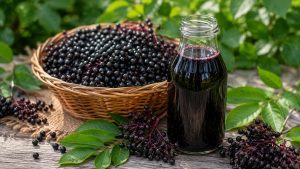
When to Harvest Elderberries
Elderberries generally ripen after flowering, with the exact timing depending on the species, variety, climate, and growing conditions. In many parts of the United States, harvesting occurs during summer or late summer.
Do not judge ripeness by looking at only one berry. Examine the entire cluster. Mature berries are typically dark purple to nearly black, depending on the type, and the clusters may begin to hang downward as the fruit ripens.
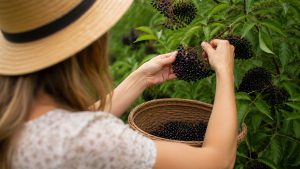
I prefer harvesting on a dry day after the morning moisture has evaporated. Use clean pruning shears to cut the entire fruit cluster rather than pulling individual berries from the plant.
After harvesting, sort through the clusters and remove leaves, stems, unripe berries, and damaged fruit.
Timing matters. If you harvest too early, many berries will still be immature. If you wait too long, ripe clusters may become more difficult to handle and can attract birds.
How to Process and Store Elderberries
Freshly harvested elderberries are delicate, so I try to process them fairly soon after picking. First, remove leaves, stems, and damaged fruit. A small comb or fork can help separate berries from the larger stems, although some growers prefer to remove the berries after partial freezing.
For food preparation, elderberries are commonly cooked and used in products such as syrups, jams, jellies, and sauces. Proper cooking and food handling are important because raw or improperly prepared elderberry fruit is not something to treat like an ordinary fresh berry.
If you have more fruit than you can use immediately, freezing is one of the easiest storage options. Spread cleaned berries in a suitable container or freezer bag, remove excess air, label the package with the harvest date, and freeze promptly.
Drying is another traditional storage method. The fruit should be properly cleaned and thoroughly dried before being placed in an airtight container. Store dried berries in a cool, dry, dark location and check them periodically for moisture or spoilage.
For any preserved elderberry product, I recommend labeling the container with both the preparation date and the contents. Simple labeling makes it much easier to keep track of older batches.
Final Thoughts
Elderberry is a practical shrub for gardeners who want to grow a traditional plant with flowers, fruit, and a long history in food and herbal culture. It does best when planted in fertile, well-drained soil with dependable moisture and adequate sunlight. Regular pruning keeps the shrub manageable and productive. For the best results, harvest fully mature fruit, handle it carefully, and process it properly before storing or using it as food.
Frequently Asked Questions
What is Elderberry?
Elderberry is the fruit produced by shrubs in the Sambucus genus. Common types include American elderberry and European elderberry.
Where does Elderberry grow?
Elderberry grows naturally in different parts of Europe and North America. It commonly favors moist soils along woodland edges, stream banks, and open areas.
How much sunlight does Elderberry need?
Elderberry grows well in full sun and can tolerate some partial shade. For strong growth and fruit production, a sunny location is generally the better choice.
How often should you water Elderberry?
Young plants need consistent watering while they establish. Once established, water deeply during extended dry periods, especially during active growth and fruit development.
When are Elderberries ready to harvest?
Harvest when the berries have reached their mature dark color and most of the berries in a cluster appear fully developed. Harvesting time varies with climate and variety.
Can you eat Elderberries raw?
Raw or improperly prepared elderberries should not be treated like ordinary fresh berries. Traditional food preparation generally involves cooking or other appropriate processing before consumption.
How should harvested Elderberries be stored?
Cleaned berries can be processed soon after harvesting, frozen for longer storage, or properly dried and stored in an airtight container in a cool, dry place.