The Cast Iron Plant is a hardy indoor plant known for its attractive dark green foliage and ability to tolerate low light and changing conditions. It is an excellent choice for beginners and experienced plant growers alike. With proper light, watering, soil, humidity, and temperature, this low-maintenance houseplant can stay healthy for years.
Learn how to grow and care for a Cast Iron Plant, including fertilizing, repotting, propagation, and common problems.
What Is a Cast Iron Plant?
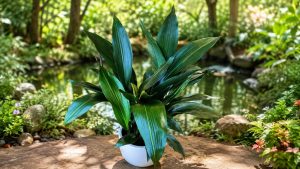
The Cast Iron Plant, scientifically known as Aspidistra elatior, is an evergreen perennial plant native to East Asia. It has long, upright leaves that grow from underground rhizomes and form a lush clump.
The plant gets its common name from its reputation for being extremely tough and adaptable. It can tolerate lower light, inconsistent watering, and a range of indoor conditions better than many other houseplants.
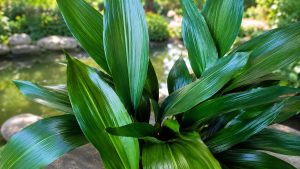
Cast Iron Plants are mainly grown for their foliage. The leaves are usually deep green, although some varieties have attractive cream, yellow, or striped patterns.
Because of its slow and steady growth, this plant does not require constant pruning or frequent repotting. It can be an excellent choice when you want an attractive plant without a demanding care routine.

How to Grow a Cast Iron Plant
Growing a Cast Iron Plant successfully starts with choosing a healthy plant and providing a suitable location.
Look for a plant with firm, upright leaves and healthy-looking foliage. Avoid plants with extensive yellowing, damaged leaves, or obvious signs of pests.
Choose a container with drainage holes. Good drainage is important because even a hardy plant like Cast Iron Plant can suffer when its roots remain in saturated soil for long periods.
Use a loose, well-draining potting mix and place the plant somewhere with suitable indirect light.
Once established, avoid moving the plant unnecessarily. Cast Iron Plants generally prefer stable indoor conditions rather than frequent changes in location.
Because the plant grows relatively slowly, patience is important. Do not expect rapid growth immediately after bringing a new plant home or repotting it.
Cast Iron Plant Light Requirements
One of the biggest advantages of the Cast Iron Plant is its ability to tolerate low light.
It generally grows well in low to medium indirect light, making it suitable for indoor areas where other houseplants may struggle.
However, low light does not mean complete darkness. The plant still needs some natural or suitable artificial light to support healthy growth.
A location several feet away from a bright window can work well. An east-facing or north-facing window may also provide suitable conditions, depending on the amount of sunlight entering the room.
Avoid placing the plant in strong, direct afternoon sunlight for extended periods. Intense sunlight can cause leaf stress and may lead to faded or damaged foliage.
Variegated Cast Iron Plants often benefit from somewhat brighter indirect light than solid green varieties because sufficient light helps maintain their leaf patterns.
How to Water a Cast Iron Plant
Cast Iron Plant does not require frequent watering.
Allow the upper portion of the soil to dry somewhat before watering again. Check the soil with your finger rather than following a strict calendar because indoor conditions vary throughout the year.
When the soil has dried to an appropriate level, water thoroughly until excess water drains through the bottom of the container.
Do not allow the pot to sit in standing water. Empty any water collected in a saucer or decorative outer container.
Overwatering is one of the more common problems with indoor plants. Even though Cast Iron Plant tolerates a variety of conditions, constantly wet soil can reduce root health and contribute to root problems.
During warmer months or when the plant receives more light, it may use water more quickly. During cooler or darker periods, the soil may remain moist for longer.
The best approach is to check the soil regularly and adjust your watering routine according to the plant’s actual needs.
Best Soil for Cast Iron Plant

The ideal soil for Cast Iron Plant should be well-draining while retaining enough moisture for healthy root growth.
A standard quality indoor potting mix can work well. If the mix feels too dense, you can improve its structure with an appropriate drainage and aeration material such as perlite.
Avoid heavy soil that remains wet for extended periods. Good airflow and drainage around the roots help reduce the risk of moisture-related problems.
The container is also important. Always choose a pot with drainage holes so excess water can escape.
When repotting, use fresh potting mix rather than simply adding more soil to an existing compacted mixture. This gives the roots a healthier growing environment.
Temperature and Humidity
Cast Iron Plant adapts well to typical indoor temperatures.
Keep the plant away from extreme temperature fluctuations, cold drafts, and direct exposure to heating or cooling vents.
It can tolerate ordinary household humidity and generally does not require the high humidity that some tropical houseplants need.
This makes Cast Iron Plant especially convenient for indoor environments where maintaining high humidity is difficult.
Although it is relatively tolerant, avoid placing it directly beside a heater or air-conditioning vent. Strong, continuous airflow can dry the foliage and create unnecessary environmental stress.
Stable conditions are usually better than constantly changing temperature and humidity.
How to Fertilize a Cast Iron Plant
Because Cast Iron Plant grows relatively slowly, it does not require heavy feeding.
During active growth, you can use a balanced houseplant fertilizer according to the instructions on the product label.
Avoid applying excessive fertilizer. Too much fertilizer can build up in the soil and potentially damage the roots.
If the plant has recently been repotted into fresh potting soil that already contains nutrients, additional fertilizer may not be necessary immediately.
During periods of slower growth, especially when light levels are lower, reduce feeding rather than trying to force rapid growth.
A simple and consistent fertilizing routine is usually enough for this low-maintenance plant.
How to Repot a Cast Iron Plant
Cast Iron Plant generally does not need frequent repotting because of its slow growth.
Consider repotting when the roots have become crowded, the plant has clearly outgrown its container, or the existing soil has broken down and no longer drains properly.
Choose a new container that is only slightly larger than the current one. A very large pot can hold excessive moisture around the roots.
Gently remove the plant from its container and inspect the root system. Because the plant grows from underground rhizomes, handle the root ball carefully.
Place fresh, well-draining potting mix in the new container and position the plant at approximately the same depth as before.
After repotting, water appropriately and return the plant to a stable location with suitable indirect light.
The plant may take some time to adjust after repotting, so avoid making several additional environmental changes at the same time.
How to Propagate a Cast Iron Plant
The easiest way to propagate Cast Iron Plant is through division.
Mature plants often develop multiple shoots and rhizomes that can be separated when the plant is large enough.
To propagate by division, carefully remove the plant from its container and identify sections with healthy roots and shoots.
Separate an appropriate section from the main plant while keeping as much of the healthy root and rhizome structure attached as possible.
Place the divided section into a suitable container filled with fresh potting mix.
After planting, provide moderate indirect light and appropriate moisture. Avoid excessive watering while the new division is establishing its root system.
Propagation by division is best performed when the plant is actively growing and healthy.
Common Cast Iron Plant Problems
Yellow Leaves
Yellow leaves can have several causes. Overwatering, poor drainage, insufficient light, or naturally aging leaves may all contribute.
Check the soil before watering again. If the soil remains wet for a long time, examine the drainage and consider whether the potting mix is too dense.
A few older yellow leaves may simply be part of the plant’s natural growth cycle, but widespread yellowing deserves closer attention.
Brown Leaf Tips
Brown tips can result from environmental stress, inconsistent moisture, very dry conditions, or other factors.
Check the plant’s watering routine and make sure the soil is not repeatedly becoming extremely dry.
Also inspect the plant’s location for excessive heat, strong sunlight, or continuous airflow from heating or cooling equipment.
Drooping Leaves
Drooping leaves may indicate that the plant needs water, but overwatering can also create unhealthy root conditions that eventually affect the foliage.
Check the soil moisture before adding more water. If the soil is already wet, investigate drainage rather than watering again.
Slow Growth
Cast Iron Plant is naturally a slow-growing houseplant, so limited growth is not necessarily a problem.
However, extremely slow or weak growth can occur when the plant receives very little light, lacks suitable nutrients, or experiences unfavorable environmental conditions.
Give the plant appropriate indirect light and stable growing conditions, then allow it time to develop.
Cast Iron Plant Pests
Cast Iron Plant is generally resilient, but it can still experience common houseplant pests.
Possible pests include spider mites, mealybugs, and scale insects.
Inspect the leaves and stems regularly, especially when bringing a new plant into your home. Look underneath leaves and around the base of the stems where pests can sometimes be difficult to notice.
If you find pests, isolate the affected plant from other houseplants and use an appropriate treatment according to the product label.
Regular inspection is one of the simplest ways to catch pest problems early.
Cast Iron Plant Care Tips for Beginners
Cast Iron Plant is considered one of the more forgiving houseplants, but a few basic habits can help keep it healthy.
Provide suitable light. Low to medium indirect light is generally sufficient, but avoid keeping the plant in complete darkness.
Water carefully. Allow the soil to dry somewhat before watering again and make sure excess water can drain away.
Use well-draining soil. A loose potting mix helps maintain healthier root conditions.
Choose the right container. Always use a pot with drainage holes.
Avoid extreme conditions. Keep the plant away from harsh direct sunlight, cold drafts, heaters, and strong air-conditioning vents.
Be patient. Cast Iron Plant grows slowly, so healthy growth may take time.
Frequently Asked Questions
Is Cast Iron Plant easy to grow indoors?
Yes. Cast Iron Plant is considered a relatively easy-care houseplant because it tolerates low light and typical indoor conditions better than many other plants.
How much light does a Cast Iron Plant need?
Cast Iron Plant can grow in low to medium indirect light. It does not need intense direct sunlight to remain healthy.
How often should you water a Cast Iron Plant?
Water when the upper portion of the soil has dried somewhat. The exact frequency depends on light, temperature, humidity, soil, and container size.
Can Cast Iron Plant grow in low light?
Yes. One of its most useful characteristics is its ability to tolerate relatively low-light indoor locations. However, it still needs some light for healthy growth.
Why are my Cast Iron Plant leaves turning yellow?
Yellow leaves can be caused by overwatering, poor drainage, insufficient light, or naturally aging foliage. Check the soil moisture and drainage before adjusting your watering routine.
How do you propagate a Cast Iron Plant?
Cast Iron Plant is commonly propagated by division. Mature plants can be separated into smaller sections with healthy roots and shoots.
Does Cast Iron Plant need high humidity?
No. Cast Iron Plant generally adapts well to ordinary household humidity and does not require the high humidity needed by some tropical houseplants.
Conclusion
The Cast Iron Plant is an excellent choice if you want a durable, attractive houseplant that does not require complicated care. Its ability to tolerate lower light, moderate indoor humidity, and occasional variations in watering makes it particularly appealing to beginners.
For the best results, provide low to medium indirect light, well-draining soil, careful watering, suitable temperatures, and a container with drainage holes. Avoid overwatering and give the plant plenty of time to grow.
With a simple and consistent care routine, Cast Iron Plant can remain a healthy and attractive part of your indoor plant collection for many years.