Calathea is a popular tropical houseplant known for its beautifully patterned leaves, colorful markings, and lush appearance. Although Calathea can be a little more sensitive than some easy-care houseplants, it can grow beautifully indoors when provided with the right light, moisture, humidity, soil, and temperature. With consistent care, a Calathea plant can become an attractive addition to bedrooms, living rooms, offices, and other indoor spaces.

This guide explains what a Calathea plant is, how to grow it, and how to care for Calathea indoors, including its light, watering, soil, humidity, fertilizing, repotting, propagation, and common problems.
What Is a Calathea Plant?
Calathea is a group of tropical plants appreciated primarily for its decorative foliage. The plants are native to tropical regions of the Americas, where they naturally grow in warm and humid environments.
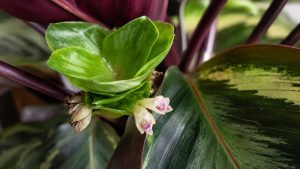
Calathea leaves can feature stripes, spots, purple undersides, and intricate patterns that make each variety distinctive. Depending on the type, the leaves may be round, oval, elongated, or slightly wavy.
Calathea is often grown as an indoor plant because it prefers conditions similar to those found in tropical forests. It generally does best with bright but indirect light, evenly moist soil, good humidity, and stable temperatures.
One interesting characteristic of many Calathea plants is their daily leaf movement. Their leaves may change position between day and night, which adds another attractive feature to these tropical houseplants.
Popular Calathea Varieties
There are many Calathea varieties available to plant enthusiasts, and each has its own leaf shape and pattern.
Calathea orbifolia is known for its large, rounded leaves with attractive pale green and silver-green stripes.
Calathea makoyana, sometimes called the peacock plant, has patterned leaves that resemble feather markings.
Calathea lancifolia has long, narrow leaves with dark green markings and wavy edges.
Calathea roseopicta is valued for its bold foliage patterns and contrasting colors.
When choosing a Calathea, select a plant with healthy leaves, firm stems, and no obvious signs of pests. A healthy plant will usually adapt more easily to its new indoor environment.
How to Grow a Calathea Plant
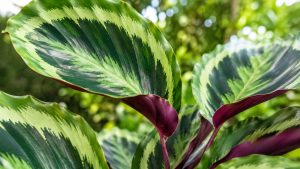
Growing Calathea successfully starts with choosing an appropriate location and creating stable conditions.
Place the plant somewhere with plenty of filtered or indirect light. A location near an east-facing or north-facing window can work well, although the exact position depends on the amount of natural light entering your home.
Choose a container with drainage holes so excess water can escape. Calathea does not perform well when its roots remain in constantly saturated soil.
The growing medium should be loose, airy, and capable of holding some moisture without becoming waterlogged. Once the plant is established, avoid moving it frequently. Calathea generally responds better to stable conditions rather than constant changes in its environment.
Calathea Light Requirements
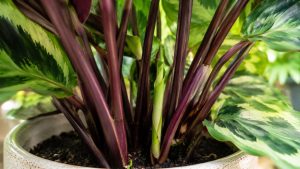
Calathea generally grows best in bright, indirect light.
Direct afternoon sunlight can be too intense and may cause leaf stress or damage, especially when the plant is placed close to a sunny window. On the other hand, extremely low light can slow growth and reduce the plant’s ability to maintain strong, attractive foliage.
A good approach is to place Calathea in a bright room where sunlight is filtered through a sheer curtain or reaches the plant indirectly.
If the leaves appear faded, growth becomes slow, or the plant looks weak, the location may not provide enough light. If leaves develop signs of stress after exposure to strong direct sunlight, move the plant farther from the window or provide additional filtering.
The goal is not to keep Calathea in darkness. Instead, provide plenty of gentle, indirect light throughout the day.
How to Water a Calathea Plant
Watering is one of the most important parts of Calathea plant care.
Calathea prefers consistently moist soil, but that does not mean the soil should remain soaking wet. Allowing the plant to become extremely dry can cause leaves to curl, droop, or develop brown edges.
Before watering, check the top portion of the soil with your finger. If it feels noticeably dry, it may be time to water. Water thoroughly until excess moisture begins to drain from the bottom of the container.
Always empty excess water that collects in a saucer or decorative outer pot.
There is no single watering schedule that works for every Calathea. Indoor temperature, humidity, pot size, soil, season, and light exposure all influence how quickly the soil dries.
During warmer or brighter periods, the plant may need water more frequently. During cooler periods, the soil may dry more slowly.
Rather than watering according to a strict calendar, check the soil and the plant regularly.
Best Soil for Calathea
The best soil for Calathea should provide both moisture retention and good drainage.
A dense, compact soil can remain wet for too long and restrict airflow around the roots. A very fast-draining mix, meanwhile, may dry out too quickly.
A quality houseplant potting mix can be combined with materials that improve aeration and drainage, such as perlite or other suitable components.
The ideal growing medium should feel light and airy while still holding enough moisture to support consistent growth.
Your container is equally important. Always use a pot with drainage holes, especially if you tend to water your plants generously.
Temperature and Humidity
Calathea is a tropical plant, so it generally prefers warm and humid indoor conditions.
Keep the plant away from cold drafts, frequently opened exterior doors, air-conditioning vents, and other locations where temperatures change rapidly.
Humidity is also important. Dry indoor air can contribute to brown leaf edges, curling leaves, and general plant stress.
If your home has dry air, you can increase humidity by using a humidifier, grouping compatible plants together, or placing the plant in a naturally more humid room when lighting conditions are appropriate.
However, humidity alone does not solve every leaf problem. Proper watering, suitable light, healthy roots, and good air circulation are also important.
Avoid placing the plant in a constantly damp, poorly ventilated area. Calathea likes humidity, but stagnant conditions can create other problems.
How to Fertilize Calathea
Calathea can benefit from regular feeding during active growth.
Use a balanced houseplant fertilizer according to the product’s directions. Avoid applying more fertilizer than recommended because excessive fertilizer can build up in the soil and stress the roots.
During periods of active growth, feeding can support healthy foliage. Fertilization can generally be reduced when growth slows during cooler or darker periods.
If you have recently repotted the plant using fresh potting mix containing fertilizer, you may not need to fertilize immediately. Always consider what is already present in the growing medium.
How to Repot a Calathea
Calathea does not necessarily need frequent repotting. Repot when the plant has outgrown its container, the roots have become crowded, or the existing soil has deteriorated.
Choose a new pot only slightly larger than the current container. A pot that is dramatically larger can hold excess moisture for too long.
Gently remove the plant from its existing container and inspect the roots. Handle them carefully and avoid unnecessary disturbance.
Place fresh, well-draining potting mix into the new container, position the plant at approximately the same depth, and fill around the root ball.
After repotting, water appropriately and place the plant back in a stable location with suitable indirect light.
How to Propagate Calathea
Calathea is generally propagated through division rather than by taking ordinary leaf cuttings.
Division is usually performed when repotting a mature plant that has developed multiple sections or growth points.
Carefully separate suitable sections while keeping healthy roots attached to each division. Place each section into an appropriate container filled with fresh potting mix.
After propagation, provide stable warmth, suitable humidity, and indirect light. Newly divided plants may need some time to adjust before producing strong new growth.
Propagation works best with a healthy, established plant rather than a weak or severely stressed one.
Common Calathea Plant Problems
Brown Leaf Edges
Brown edges are a common concern with Calathea. They can be associated with dry air, inconsistent watering, environmental stress, or other growing conditions.
Check the plant’s watering routine, humidity, soil moisture, and location before making changes.
Yellow Leaves
Yellow leaves can occur for several reasons. Excessive moisture, poor drainage, aging foliage, or unsuitable growing conditions may contribute to yellowing.
Check the soil before watering again and make sure the container drains properly.
Curling Leaves
Calathea leaves may curl when the plant is experiencing stress. Dry soil, low humidity, temperature changes, or other environmental conditions can contribute.
Check the moisture level and the plant’s location before adjusting your care routine.
Drooping Leaves
Drooping can occur when the plant is thirsty or stressed by environmental changes. Check the soil moisture first and make sure the plant is not sitting in excess water.
If the soil is appropriately moist, consider whether recent changes in light, temperature, humidity, or location may be affecting the plant.
Calathea Plant Pests
Like other houseplants, Calathea can occasionally experience pest problems.
Common pests may include spider mites, mealybugs, and aphids. Inspect both the upper and lower surfaces of the leaves regularly, especially if the plant begins to look unhealthy.
Early detection makes pest management easier. Isolate an affected plant from other houseplants and follow an appropriate plant-care treatment according to the pest and product label.
Regularly cleaning dust from the foliage and checking new growth can also help you notice problems early.
Calathea Plant Care Tips for Beginners
If you are growing Calathea for the first time, focus on consistency rather than trying to create a complicated care routine.
Provide bright indirect light and protect the plant from harsh direct sunlight.
Keep the soil evenly moist but not waterlogged, and always use a container with drainage holes.
Maintain reasonable humidity and keep the plant away from cold drafts and strong air-conditioning.
Use a loose, well-draining potting mix and avoid excessive fertilizer.
Finally, inspect the leaves regularly. Changes in leaf color, texture, or position can provide useful clues about the plant’s growing conditions.
Frequently Asked Questions
Is Calathea easy to grow indoors?
Calathea can be grown successfully indoors, but it may require more consistent moisture and humidity than some beginner-friendly houseplants. Providing stable conditions makes care much easier.
How much light does a Calathea need?
Calathea generally prefers bright, indirect light. Avoid exposing it to strong direct sunlight for extended periods because intense light can stress the foliage.
How often should you water a Calathea?
Water when the soil begins to dry rather than following a fixed schedule. The exact frequency depends on temperature, humidity, light, soil, and container size.
Why are my Calathea leaves turning brown?
Brown leaf edges can be associated with dry air, inconsistent watering, environmental stress, or other growing conditions. Check moisture, humidity, light, and temperature before changing your routine.
Why are Calathea leaves curling?
Curling leaves can be a response to dry soil, low humidity, temperature changes, or other stress. Check the plant’s growing conditions and make adjustments gradually.
Can Calathea grow in low light?
Calathea can tolerate less light than some plants, but it generally grows best with bright, indirect light. Very low light may result in slower or weaker growth.
Conclusion
Calathea is an attractive tropical houseplant that can bring colorful, patterned foliage into your indoor space. While it can be more sensitive than some low-maintenance plants, providing the right light, water, soil, humidity, temperature, and fertilizer can help it grow well.
The most important part of Calathea plant care is maintaining consistent conditions. Give your plant bright indirect light, keep its soil appropriately moist, provide good humidity, and avoid sudden environmental changes. With the right routine, Calathea can remain a beautiful and rewarding indoor plant for years.