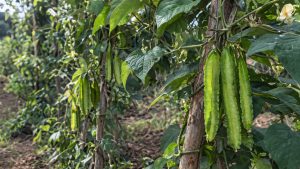
Winged bean is an unusual vegetable that can bring something different to your garden. Its vigorous vines climb easily on a trellis and produce distinctive pods with four ridges.
This warm-season plant grows best in plenty of sunlight and warm temperatures. With the right planting time, sturdy support, and regular watering, winged beans can become a productive and attractive addition to your summer garden.
What Is a Winged Bean?
Winged bean is a climbing legume with the scientific name Psophocarpus tetragonolobus. It is also sometimes called the goa bean or asparagus pea.
The easiest way to recognize it is by its unusual pods. Each pod has four wing-like ridges running along its length, giving the vegetable its distinctive appearance.
When the pods are young, they are green, crisp, and commonly used as a vegetable. The plant itself is a vigorous climber, so it needs a trellis, netting, or another type of support to grow properly.
For gardeners who enjoy trying unusual vegetables or adding more variety to their summer garden, winged bean can be a rewarding plant to grow.

When to Plant Winged Beans in the United States
From my experience, it is best not to rush when planting winged beans in spring.
Winged beans are warm-season plants. Cool temperatures can slow germination and cause young plants to grow poorly. Instead of relying only on the calendar, I think it is better to pay attention to the actual weather and soil temperature in your area.
In general, winged beans should be planted after the danger of frost has passed and the weather has become consistently warm. The soil should also have time to warm up before you sow the seeds.
Gardeners in the southern United States often have an easier time growing winged beans because warm weather arrives earlier and lasts longer. In northern areas or regions with shorter summers, waiting until late spring or early summer may give the plants a better start.
One mistake I would avoid is assuming that you can plant immediately after the last frost date. Even when frost is no longer a concern, the soil and nighttime temperatures may still be too cool for a tropical vegetable like winged bean.
If nights are still chilly, it is usually better to wait a little longer.
Prepare a Trellis or Netting Before Planting
Winged bean is a climbing plant, so I recommend preparing a support system before you plant the seeds.
You can use many different materials depending on the space available in your garden. A simple bamboo trellis, sturdy wooden stakes, climbing netting, or an existing fence can all work well.
The most important thing is to make sure the support is strong enough.
When the plants are young, a few small stakes may seem sufficient. However, the vines can grow quickly, producing more leaves and becoming heavier as the season continues. A weak trellis may begin to lean or collapse, especially during strong winds.
I prefer to build the trellis before planting. It is easier to do, and it also prevents you from disturbing the roots later when the plants are already growing.
If you do not want to build a traditional trellis, climbing netting is another simple option. Secure the netting firmly and plant the seeds nearby so the young vines can easily find their way onto the support.
How to Grow Winged Beans
Should You Soak Winged Bean Seeds Before Planting?
Soaking the seeds before planting is an optional step that may help with germination.
Winged bean seeds can have a relatively hard outer coating, so some gardeners soak them in water before planting to help soften the seed coat.
You can soak the seeds for a short period before planting and allow them to drain before sowing.
However, I would not consider soaking absolutely necessary. Good-quality seeds and warm soil are usually more important factors for successful germination.
If you have grown other types of beans from seed, you will probably find that planting winged beans is not especially difficult.

Planting Depth and Spacing
Once the soil is warm enough, you can sow winged bean seeds directly in the garden.
Plant the seeds at a moderate depth. Seeds planted too close to the surface can dry out, while seeds planted too deeply may take longer for the seedlings to reach the surface.
Give the plants enough space to grow as well.
When growing several plants, I prefer to give each one enough room for sunlight and airflow instead of planting them too closely together. Once the vines begin climbing, they can quickly become tangled, making the plants more difficult to care for and harvest.
Try to plant the seeds close to the trellis or netting so the young vines can easily begin climbing as they grow.
Soil
Winged beans are not extremely demanding, but they grow best in loose soil with good drainage.
Before planting, you can mix compost or well-rotted organic matter into the soil. This helps improve soil structure, retain moisture, and provide nutrients for the plants.
I usually avoid applying too much high-nitrogen fertilizer to legumes. Too much nitrogen can sometimes encourage excessive leafy growth while reducing flowering and pod production.
For a home garden, starting with healthy soil and a good layer of compost is often enough.
Water and Sunlight
Winged beans need plenty of sunlight to grow well, so choose a location that receives direct sun for much of the day.
Keep the soil reasonably and consistently moist, especially while the plants are young. However, this does not mean keeping the soil constantly wet.
I prefer checking the soil before watering instead of following a strict watering schedule. During hot weather, the plants may need more water. After rainfall or when the soil is still moist, you can reduce watering.
The goal is to maintain steady moisture without leaving the roots sitting in waterlogged soil.

How Long Does It Take for Winged Beans to Produce Pods?
This is one of the most common questions new gardeners ask.
The time it takes for winged beans to flower and produce pods depends heavily on temperature and growing conditions. In areas with consistently warm weather and a long growing season, the plants usually develop more successfully.
Before producing pods, the plants need time to establish their roots, grow their main stems, and develop climbing vines. After that, they begin producing flowers, followed by pods.
If your plants seem to grow slowly during cool weather, try not to worry too much. Winged beans are heat-loving plants, and their growth can change noticeably once summer temperatures become consistently warm.
Patience is important. The plants may spend their early growth period developing vines and foliage before focusing more energy on flowering and producing pods.
When to Harvest Winged Beans
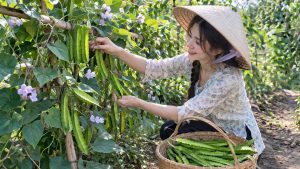
Winged beans are generally best when the pods are young and tender.
At this stage, the pods are crisp, easy to prepare, and more enjoyable to eat. If you leave them on the plant for too long, they can become tougher and more fibrous.
Once the plants begin producing pods, I recommend checking them regularly. Just a few days can sometimes make a noticeable difference in the tenderness of the pods.
Harvesting regularly also helps prevent you from accidentally leaving mature pods hidden among the vines.
You can use clean scissors or garden pruners to harvest the pods. Try not to pull hard on the vines, as this can damage other parts of the plant.
If you want to save seeds for the following season, you can allow a few pods to remain on the plant until they mature completely.
How to Eat and Enjoy Winged Beans
After harvesting, one of the best parts of growing winged beans is bringing the fresh pods into the kitchen.
Young winged bean pods can be prepared in several different ways. Here are a couple of simple and familiar options.

Stir-Fried Winged Beans With Shrimp
This is a simple and delicious way to enjoy fresh winged beans.
Wash the pods, cut them into bite-sized pieces, and quickly stir-fry them with shrimp, garlic, and your preferred seasonings.
Winged beans have a naturally crisp texture, so they do not need to be cooked for a long time.
What I like about this dish is that when the beans are cooked just long enough, they stay crisp instead of becoming too soft.

Boiled or Steamed Winged Beans
Boiling or steaming is one of the easiest ways to enjoy the natural flavor of winged beans.
Simply wash the pods, cut them into smaller pieces if desired, and boil or steam them briefly.
I prefer not to cook them for too long because winged beans are especially enjoyable when they still have some crispness.
You can serve boiled or steamed winged beans as a simple vegetable side dish or enjoy them with your favorite dipping sauce.
A Few Things to Remember When Growing Winged Beans
After planting, there are a few simple things worth keeping in mind.
First, do not plant too early when the weather is still cool. Winged beans truly enjoy heat, and waiting for warm soil can save you a lot of frustration.
Second, prepare a strong trellis from the beginning. Once the vines start growing vigorously, changing or adding support can become more difficult.
Third, keep the soil evenly moist without overwatering. Good drainage remains one of the most important factors for healthy root growth.
Finally, check the plants regularly once they begin producing pods. Harvesting at the right time will give you younger, crisper, and more enjoyable beans.
Conclusion
Winged bean is an interesting choice for gardeners who want to try growing something a little different.
The plant is not especially complicated to grow, but it does have one important requirement: warm weather. When planted at the right time and given a strong trellis, plenty of sunlight, and consistent moisture, winged beans can develop into vigorous green vines and produce their distinctive pods.
What I enjoy most about growing winged beans is that the plant is both ornamental and productive. You get the satisfaction of watching the vines climb and fill the trellis, followed by the opportunity to harvest fresh pods for the kitchen.
If you are looking for a new vegetable to grow during the summer, winged bean is definitely worth trying.
Frequently Asked Questions
Are winged beans easy to grow?
Winged beans can be relatively easy to grow when the weather is warm enough. Choosing the right planting time, providing plenty of sunlight, and giving the vines strong support are the most important factors.
Do winged beans need a trellis?
Yes. Winged beans are climbing plants and need a trellis, netting, fence, or another strong support system to grow well.
When should I plant winged beans in the United States?
Plant winged beans after the danger of frost has passed and temperatures have become consistently warm. Areas with long, hot summers are generally better suited to growing them.
How long does it take for winged beans to produce pods?
The time depends on temperature, weather, and growing conditions. The plants need time to develop their roots and climbing vines before they begin flowering and producing pods.
Should I soak winged bean seeds before planting?
Soaking the seeds may help support germination, but it is not always necessary. Healthy seeds and warm soil are usually more important for successful growth.
When should I harvest winged beans?
Harvest the pods while they are still young, tender, crisp, and before they become tough or fibrous.
How can I cook winged beans?
Winged beans can be stir-fried with shrimp, boiled, steamed, or used in other vegetable dishes. Young pods are especially good for quick cooking because of their crisp texture.