Bok choy is an easy-to-grow vegetable that develops quickly and works well in salads, stir-fries, soups, and crispy fried dishes. It is also a great choice for beginner gardeners because it needs only simple care.

In this guide, GardenGuideHub shares practical tips for growing bok choy at home, from choosing the right planting time and caring for young plants to harvesting fresh, crisp bok choy and enjoying it in everyday meals.
What Is Bok Choy?
Bok choy, also known as pak choi or Chinese cabbage, is a leafy vegetable in the mustard family. Its scientific name is Brassica rapa. The plant has smooth green leaves and thick, crisp stalks that are usually white or pale green.
Bok choy originated in China, where it has been grown and enjoyed for centuries. Today, it is widely grown and eaten around the world, especially in Chinese, Vietnamese, Japanese, and Korean cuisine.
One thing that makes bok choy especially appealing to home gardeners is how quickly it grows. It does not require a large garden, and many varieties can be grown successfully in raised beds, garden rows, containers, or other small growing spaces.

There are also several types of bok choy to choose from. Some varieties stay small and compact, while others produce larger plants with broad leaves and thick stalks. Choosing the right variety depends on your growing space, climate, and how you plan to use the harvest.
When to Plant Bok Choy for the Best Growth
Bok choy grows best in cool weather and generally performs well when temperatures stay around 60–77°F (15–25°C).
If you live in an area with cold winters, early spring can be a good time to plant bok choy. You can also grow it in late summer or early fall when temperatures begin to cool down.
One thing to keep in mind is that bok choy does not particularly enjoy prolonged hot weather. High temperatures can cause the plant to bolt, meaning it starts producing flowers and seeds before developing the thick, tender stalks many gardeners want.
Bok choy is considered a fast-growing vegetable. Depending on the variety and growing conditions, you can often begin harvesting about 4–6 weeks after planting from seed. Smaller varieties may be ready even sooner if you prefer young, tender plants.
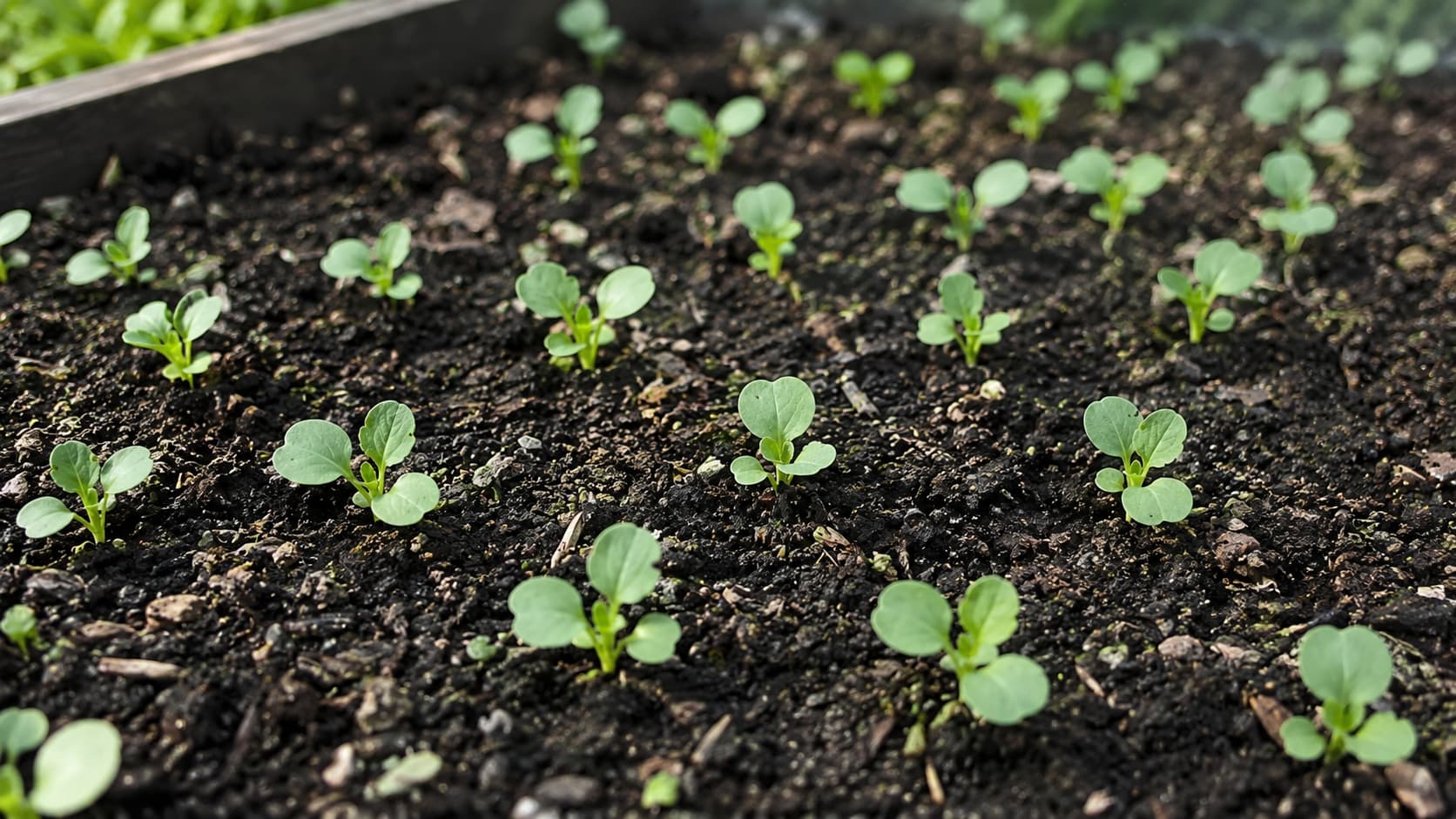
You do not necessarily have to wait until every plant reaches the same size. Harvesting plants as they reach the size you want can give you a longer harvest period.
How to Use Bok Choy in the Kitchen
Bok choy has a mild, slightly sweet flavor with crisp stalks and tender leaves. Its texture makes it easy to use in everything from quick side dishes to hearty meals.
Fresh bok choy can be used in:
- Garlic stir-fries
- Stir-fries with mushrooms
- Beef, chicken, or shrimp dishes
- Soups and broths
- Noodle dishes
- Steamed vegetable dishes
- Salads made with young bok choy
- Crispy fried recipes
- Asian-inspired vegetable dishes
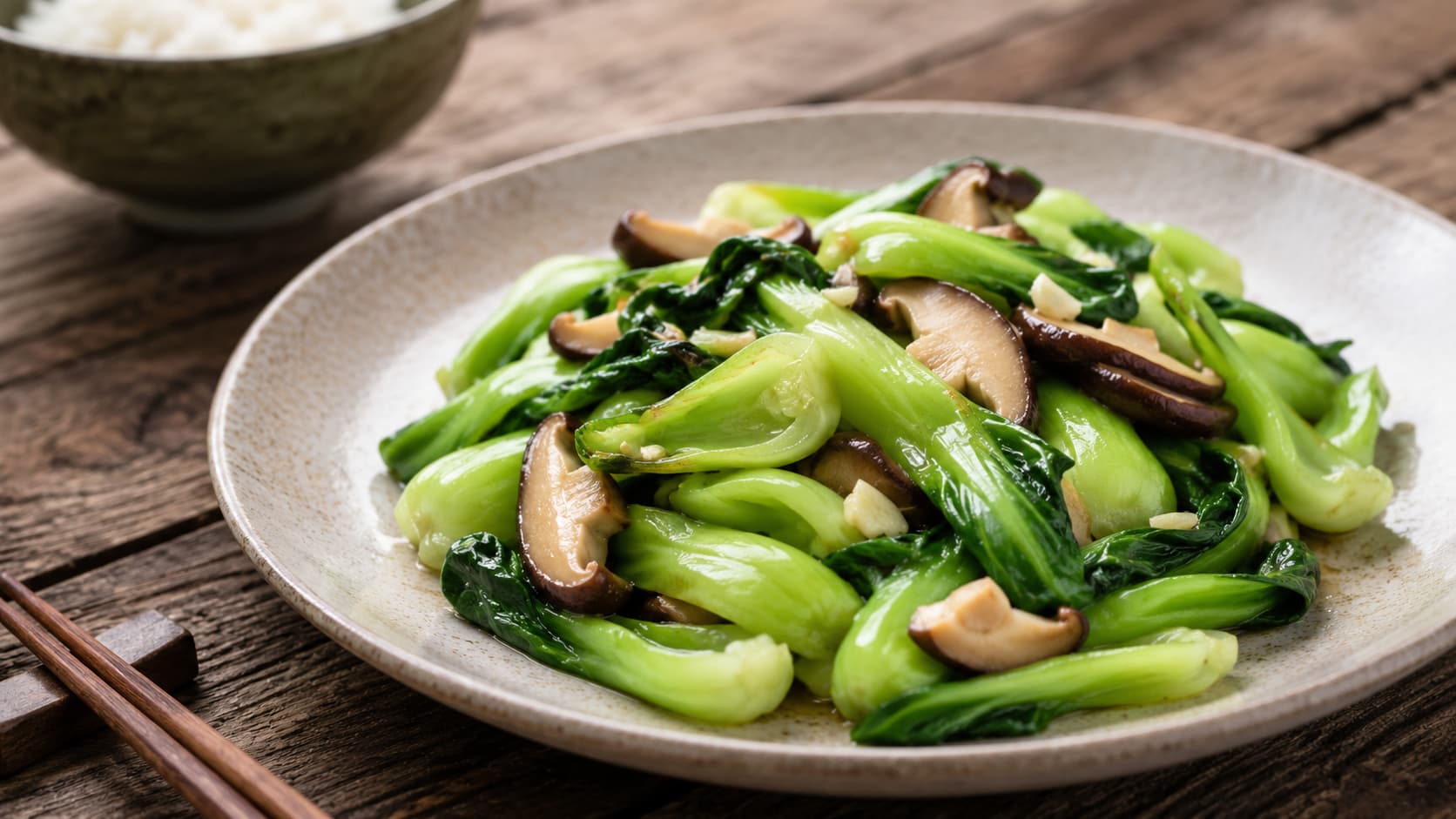
Before cooking, wash bok choy carefully, especially around the base of the stalks where soil can collect. For larger plants, you can separate the leaves from the stalks and add them to the pan at slightly different times. The stalks usually need a little more cooking, while the leaves soften quickly.
How to Grow Bok Choy at Home
Bok choy is one of those vegetables that does not require complicated gardening techniques. With good soil, enough sunlight, regular moisture, and basic feeding, even a beginner can grow a healthy crop in a relatively short time.
Choose the Right Variety and Prepare the Soil
Start by choosing a bok choy variety that fits your climate, garden space, and preferred harvest size.
Hybrid varieties are popular among home gardeners because they often grow evenly and can produce good yields. When buying seeds, look for a reliable source, good germination rates, and a variety suited to your growing season.
Bok choy grows best in loose, fertile soil with plenty of organic matter and good drainage. Light loam, sandy loam, or fertile garden soil can all work well as long as excess water can drain away.
Before planting, I recommend:
- Loosening the soil thoroughly.
- Removing weeds, rocks, and old roots.
- Mixing in compost or well-rotted organic matter.
- Leveling the soil so water can spread evenly.
- Making sure the growing area does not stay waterlogged after rain or irrigation.
If you are growing bok choy outdoors, raised beds or slightly raised planting rows can be useful, especially in areas that receive frequent rainfall.
Plant Bok Choy Seeds
Bok choy seeds are small and can be sown directly into the garden. You can also start them in seed trays and transplant the seedlings once they are established.
If you want to encourage germination, you can soak the seeds in warm water for about 2–3 hours before planting. Let them drain and dry slightly before sowing.
Sow the seeds in rows and cover them with a thin layer of soil. Avoid covering them too deeply because small seedlings may have difficulty reaching the surface.
After planting, water gently using a watering can or a fine spray. The goal is to keep the soil surface consistently moist without making it soggy.
Once the seedlings emerge, thin crowded areas so the remaining plants have enough room to develop properly.
Watering Bok Choy
Bok choy needs consistent moisture, especially while young plants are becoming established.
Depending on your weather and soil conditions, you may need to water once or twice a day. However, do not follow a fixed schedule without checking the soil first.
If the soil is still moist, there may be no need to water again. During hot or dry weather, the soil can dry out much faster and may require more frequent watering.
The key is to keep the soil evenly moist but not waterlogged. Constantly wet soil can weaken the roots and increase the risk of root-related problems.
Feeding Bok Choy
Because bok choy grows quickly, it benefits from a steady supply of nutrients.
Before planting, mix compost or well-rotted organic matter into the soil to provide a good nutritional base.
Once the plants have developed around 3–4 true leaves, you can apply a suitable organic fertilizer or a fertilizer intended for leafy vegetables. If needed, another light feeding can be applied later depending on how the plants are growing.
Avoid applying too much fertilizer at once. Moderate feeding combined with proper watering is usually enough to support healthy growth.
Weed and Maintain the Soil
Weeds can compete with bok choy for water, nutrients, and sunlight, especially during the first few weeks.
Check your garden regularly and remove weeds while they are still small.
When weeding around bok choy, work carefully because the plant’s roots can stay relatively close to the soil surface. Avoid digging too deeply or disturbing the base of the plant.
Watch for Pests and Diseases
Bok choy can be affected by common garden pests such as caterpillars, aphids, and other leaf-feeding insects. Excess moisture can also contribute to root and soil-related problems.
Check both the top and underside of the leaves regularly. Catching a pest problem early usually makes it much easier to manage.
To reduce the risk of moisture-related problems:
- Avoid leaving the garden bed flooded.
- Make sure the soil drains well.
- Do not water when the soil is already very wet.
- Keep good airflow around the plants.
- Remove severely damaged or diseased plants.
Harvesting Bok Choy
Under good growing conditions, bok choy can be ready for harvest relatively quickly, often around 4–6 weeks after sowing. The exact timing depends on the variety, temperature, sunlight, and overall care.
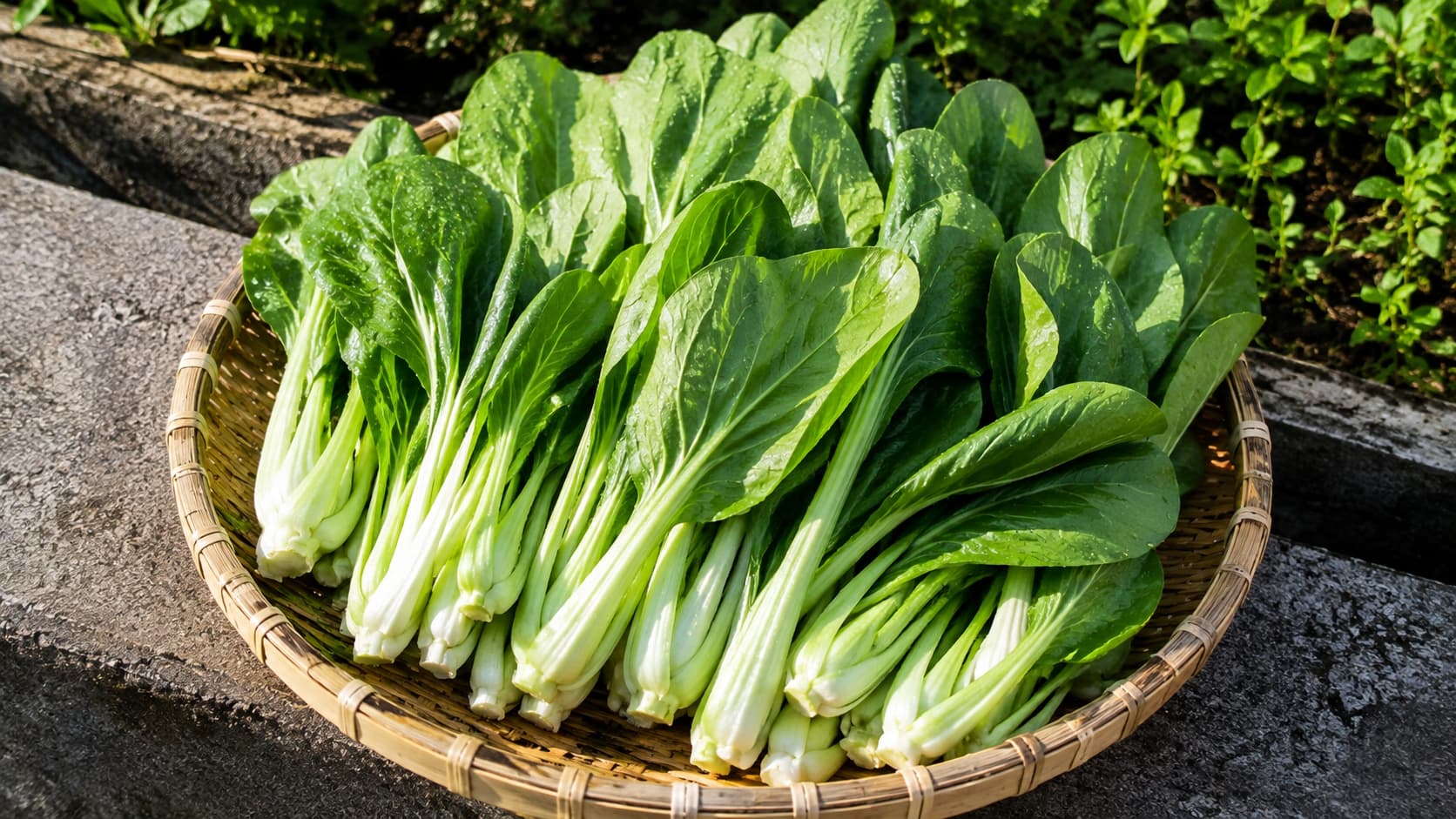
Look for plants with healthy green leaves and well-developed stalks. You can harvest when the plants reach a size that works for your kitchen.
To harvest the entire plant, use a clean, sharp knife to cut through the base.
If you are growing bok choy for your family, you can also harvest individual plants as they reach the desired size rather than cutting the entire garden bed at once.
Harvesting in the early morning or late afternoon can help the vegetables stay fresh and crisp because the plants are less stressed by heat.
After harvesting, remove damaged or older leaves and store the bok choy in the refrigerator, preferably in the vegetable drawer, to help maintain freshness.
Tips for Growing Bok Choy for a Better Yield
Give It Enough Sunlight
Bok choy needs plenty of light for healthy growth. A location receiving around 6–8 hours of sunlight per day is generally a good choice.
If the plants receive too much shade, they may grow more slowly and may not develop strong, full stalks.
Plant During the Right Season
Cooler weather is generally better for bok choy than prolonged periods of intense heat.
If your area is expecting a stretch of very hot weather, consider planting during a cooler period or providing some afternoon shade to help protect the plants from excessive heat.
Make Sure the Soil Drains Well
Good drainage is one of the most important factors when growing bok choy.
The plants need regular moisture, but they do not like sitting in water for long periods. If your soil is heavy and drains poorly, improve it with organic matter and correct drainage before planting.
Add Organic Matter
Compost and well-rotted organic matter can improve soil structure while providing nutrients for growing bok choy.
Rather than adding large amounts of fertilizer, I prefer improving the soil before planting and then providing moderate amounts of additional nutrients as the plants grow.
Plant in Succession for a Longer Harvest
If your family does not eat a large amount of bok choy at once, you do not need to plant all your seeds on the same day.
Instead, sow small batches at different times. This allows the plants to reach harvest size at different times and can give you a steady supply of fresh bok choy instead of one large harvest all at once.
Conclusion
Bok choy is one of the easiest vegetables to grow, making it a great choice for both beginners and experienced gardeners. With the right variety, fertile soil, good drainage, consistent moisture, and plenty of light, you can grow fresh bok choy in just a few weeks.
For the best results, pay close attention to planting time, sunlight, soil quality, watering, and pest problems. Harvesting at the right stage also helps you enjoy crisp stalks and tender leaves at their best.
With a little planning, even a small garden or container can provide a fresh supply of bok choy for stir-fries, soups, salads, noodles, and many other everyday meals.
FAQ About Bok Choy
What is bok choy?
Bok choy is a leafy vegetable in the mustard family and is also known as pak choi or Chinese cabbage. It has green leaves and thick, crisp stalks that are commonly used in Asian cuisine.
How long does bok choy take to grow?
Depending on the variety and growing conditions, bok choy can usually be harvested about 4–6 weeks after planting from seed. Some smaller varieties may be ready sooner.
Is bok choy easy to grow?
Yes. Bok choy grows quickly and does not require complicated care. Beginners can grow it successfully by providing suitable soil, regular moisture, adequate sunlight, and basic pest monitoring.
Does bok choy need full sun?
Bok choy grows well with plenty of sunlight, ideally around 6–8 hours per day. However, in very hot climates, some afternoon shade can help protect the plants from excessive heat.
When should I harvest bok choy?
Harvest bok choy when the leaves look healthy and the stalks have reached a size you like. Depending on the variety, this is often around 4–6 weeks after sowing.
Can you grow bok choy in containers?
Yes. Bok choy can grow well in containers as long as the container provides enough room for the roots, the soil is fertile, and excess water can drain freely.
Can you eat bok choy raw?
Yes. Young bok choy can be eaten raw in salads when properly washed. It can also be steamed, stir-fried, added to soups, or combined with noodles and other vegetables.
How can I get a better bok choy harvest?
Choose a suitable planting season, use fertile soil with good drainage, provide enough sunlight, maintain consistent moisture, and check regularly for pests. Planting small batches at different times can also help extend the harvest season.