Tomatoes have always been one of my favorite garden crops. As a child, I loved walking through the garden each morning with my parents, looking for newly ripened red tomatoes. Freshly picked from the vine, they were always sweeter and more flavorful than store-bought ones.
Over the years, I’ve learned that tomatoes are surprisingly easy to grow. With fertile soil, plenty of sunlight, regular watering, and proper care, they reward gardeners with an abundant harvest. In this guide, I’ll share practical growing tips, nutritional benefits, and simple ways to enjoy tomatoes so you can successfully grow and make the most of this versatile fruit.
What Are Tomatoes? Popular Types of Tomatoes
Tomatoes (Solanum lycopersicum) are flowering plants in the nightshade family (Solanaceae). Native to South America, they are now grown in nearly every part of the world. In the kitchen, tomatoes are commonly treated as a vegetable, but botanically they are classified as a fruit.
There are hundreds of tomato varieties, each with its own unique flavor, size, and growing characteristics. Here are some of the most popular types.
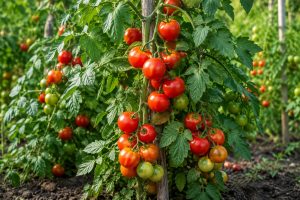
| Tomato Variety | Characteristics |
|---|---|
| Cherry Tomatoes | Small, sweet, bite-sized fruits. Highly productive and easy to grow. |
| Beefsteak Tomatoes | Large, juicy fruits with few seeds. Great for sandwiches and salads. |
| Roma Tomatoes | Thick, meaty flesh with low moisture. Ideal for sauces and paste. |
| Heirloom Tomatoes | Exceptional flavor with unique colors and shapes. More prone to cracking. |
| Indeterminate Tomatoes | Keep growing and producing fruit throughout the season. |
| Determinate Tomatoes | Compact plants that ripen most of their fruit at the same time. |
These varieties are an excellent choice for container gardening, raised beds, or gardeners with limited space.

Tomato Nutrition and Health Benefits
I often joke that tomatoes are like a small pharmacy in the garden. Just a few fresh tomatoes each day can provide a wide range of vitamins, minerals, and powerful antioxidants that support overall health.
According to the USDA FoodData Central, 100 grams (3.5 ounces) of raw tomatoes contain approximately:
| Nutrient | Amount (per 100 g) |
|---|---|
| Calories | 18 kcal |
| Water | 95 g |
| Carbohydrates | 3.9 g |
| Dietary Fiber | 1.2 g |
| Protein | 0.9 g |
| Total Fat | 0.2 g |
| Vitamin C | 13.7 mg |
| Vitamin A | 42 µg RAE |
| Potassium | 237 mg |
| Folate | 15 µg |
| Lycopene | Approximately 2.5–3.5 mg (varies by variety) |
Below are some of the key benefits of tomatoes:
- Rich in Antioxidants – Tomatoes are an excellent source of lycopene, a powerful antioxidant that helps protect cells from oxidative stress, supports heart health, and may reduce the risk of certain chronic diseases. Lycopene is absorbed more effectively when cooked with healthy fats like olive oil.
- Supports a Healthy Immune System – Tomatoes provide plenty of vitamin C, which supports normal immune function, promotes collagen production, and helps the body heal wounds.
- Promotes Heart Health – Rich in potassium, tomatoes help maintain healthy blood pressure, support normal heart function, and keep nerves and muscles working properly.
- Supports Digestive Health – The dietary fiber in tomatoes promotes healthy digestion, helps prevent constipation, supports a balanced gut microbiome, and increases feelings of fullness.
- Supports Healthy Skin – Vitamins A, C, and antioxidants help support collagen production, protect the skin from UV-related damage, and reduce visible signs of aging as part of a healthy lifestyle.
How to Grow Tomatoes:
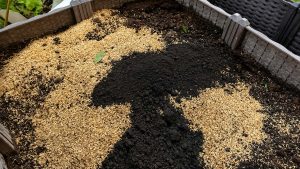
After many years of growing tomatoes, I’ve learned that about 70% of a successful harvest depends on proper preparation before planting. Healthy soil, the right variety, and good growing practices make all the difference.
- Choose the Right Variety – Select high-quality seeds or seedlings from a reputable source that are well suited to your local climate for better germination and higher yields.
- Prepare Healthy Soil – Use loose, well-draining, nutrient-rich soil with a pH of 6.0–6.8. Mixing garden soil, compost, coconut coir, and coarse organic material creates an excellent growing medium.
- Provide Plenty of Sunlight – Tomatoes need 6–8 hours of direct sunlight daily to grow strong, flower well, and produce abundant fruit.
- Water Properly – Water at the base of the plant in the morning, keep the soil evenly moist, and avoid overwatering or wetting the leaves.
- Support the Plants – Install stakes, cages, or trellises early to keep stems upright, improve airflow, and keep fruit clean.
- Prune Regularly – Remove side shoots (suckers) to improve air circulation, reduce disease, and encourage larger harvests.
- Fertilize Wisely – Feed plants with organic compost or well-rotted manure, and add potassium, calcium, and magnesium during flowering for healthier, higher-quality fruit.
- Follow Simple Care Tips – Mulch with straw, control weeds, remove old leaves, harvest ripe tomatoes frequently, and rotate crops each season to maximize yields and reduce disease.
Learn more in our : How to Grow Tomatoes
Delicious Ways to Enjoy Tomatoes
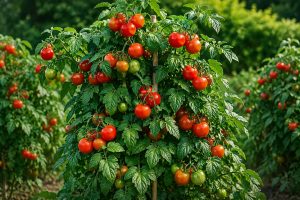
One of the things I love most about tomatoes is their incredible versatility. Whether eaten fresh, cooked into hearty meals, or blended into refreshing drinks, they bring bright flavor and valuable nutrients to the table. Here are a few of my favorite ways to enjoy them.
Fresh Tomato Salad
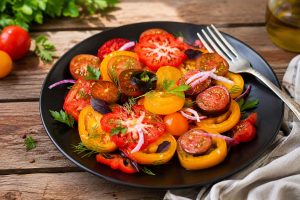
Ingredients:
- Fresh tomatoes
- Lettuce
- Cucumber
- Extra virgin olive oil
- Freshly ground black pepper
This light, refreshing salad comes together in about 10 minutes and makes a perfect side dish for lunch or dinner.
Tomato and Egg Soup
This simple, comforting soup is a favorite in many households.
How to make it:
- Sauté chopped onion until fragrant.
- Add chopped tomatoes and cook until softened.
- Pour in water or broth and bring to a gentle simmer.
- Slowly drizzle in beaten eggs while stirring.
- Season to taste with salt and pepper.
- Garnish with chopped green onions before serving.
It’s a quick, nourishing meal that’s perfect for busy weeknights.
Homemade Tomato Sauce for Pasta
Roma tomatoes are an excellent choice because of their rich flavor and low moisture content.
Cook them with:
- Garlic
- Olive oil
- Fresh basil
- Black pepper
The finished sauce can be stored in the refrigerator for several days, making it a convenient option for future meals.
Fish in Tomato Sauce
This classic dish combines tender fish with a rich tomato sauce.
Instructions:
- Pan-fry the fish until golden brown.
- Prepare a flavorful tomato sauce.
- Add the fish to the sauce and simmer for about 10 minutes.
The result is moist, tender fish with a delicious savory tomato flavor.
Fresh Tomato Juice
For a nutritious homemade drink, blend together:
- Tomatoes
- Apples
- Carrots
You can strain the juice for a smoother texture or enjoy it with the pulp for extra fiber. Add a few fresh mint leaves for a refreshing burst of flavor.

Learn more about tomato purée recipes and simple homemade ideas to enhance your favorite dishes.
Tips for Using and Storing Tomatoes
To enjoy the best flavor and quality from your tomatoes, keep these simple tips in mind:
- Avoid eating unripe green tomatoes in large amounts, as they contain higher levels of solanine than fully ripe tomatoes.
- Wash tomatoes thoroughly before eating or cooking.
- Avoid cutting tomatoes too far in advance, as they lose freshness and flavor over time.
- Don’t store tomatoes next to bananas or apples unless you want them to ripen more quickly, since these fruits release ethylene gas.
- For the best taste and texture, enjoy ripe tomatoes within a few days of harvesting or purchasing them.
Tips for Longer Storage
- Green tomatoes: Store them in a cool, dry, well-ventilated place until they ripen.
- Just-ripe tomatoes: Keep them at room temperature, away from direct sunlight, for the best flavor.
- Fully ripe tomatoes: If you have more than you can use, store them in the refrigerator’s crisper drawer. Before serving, let them sit at room temperature for 20–30 minutes to restore their full flavor and aroma.
- For long-term storage, tomatoes can be frozen or cooked into homemade tomato sauce and preserved for future use.
Harvesting and Storage
Under normal growing conditions, tomatoes are typically ready to harvest 90–120 days after sowing, depending on the variety and the level of care they receive.
For the best quality harvest:
- Pick tomatoes early in the morning when temperatures are cool.
- Use pruning shears or scissors to cut the fruit with a short piece of stem attached to help prevent bruising.
- Avoid stacking tomatoes in deep layers during transport, as excessive weight can damage the fruit.
- Store harvested tomatoes in a cool, well-ventilated place, or use cold storage if they need to be kept for an extended period.
With proper care, many indeterminate tomato varieties will continue producing fresh fruit for several months, providing a steady harvest throughout the growing season.
Conclusion
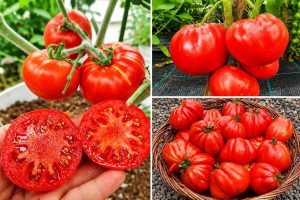
Tomatoes are much more than a staple ingredient in the kitchen—they’re also one of the most rewarding plants you can grow in a home garden. With a little patience and the right care, you can enjoy harvesting clusters of naturally sweet, vine-ripened tomatoes right from your own backyard.
I hope the tips and experiences shared in this guide inspire you to start growing your own tomatoes. Wishing you a healthy, productive garden and plenty of delicious, homegrown tomatoes to enjoy with family and friends. Happy gardening!
Frequently Asked Questions About Tomatoes
Are tomatoes a fruit or a vegetable?
Botanically, tomatoes are fruits, but they are commonly used as vegetables in cooking.
How long does it take to harvest tomatoes?
Most varieties are ready to harvest in 90–120 days after sowing.
How much sunlight do tomatoes need?
Tomatoes need 6–8 hours of direct sunlight each day.
Should I water tomatoes every day?
No. Water when the top inch of soil feels dry, avoiding overwatering.
Why do tomatoes crack?
Cracking is usually caused by inconsistent watering or heavy rain after dry conditions.
Can tomatoes be grown in containers?
Yes. Use a 12–16 inch (30–40 cm) pot with well-draining soil and provide support.
Should ripe tomatoes be refrigerated?
Yes, if not using them immediately. Let them reach room temperature before eating for the best flavor.
Garden Guide Hub