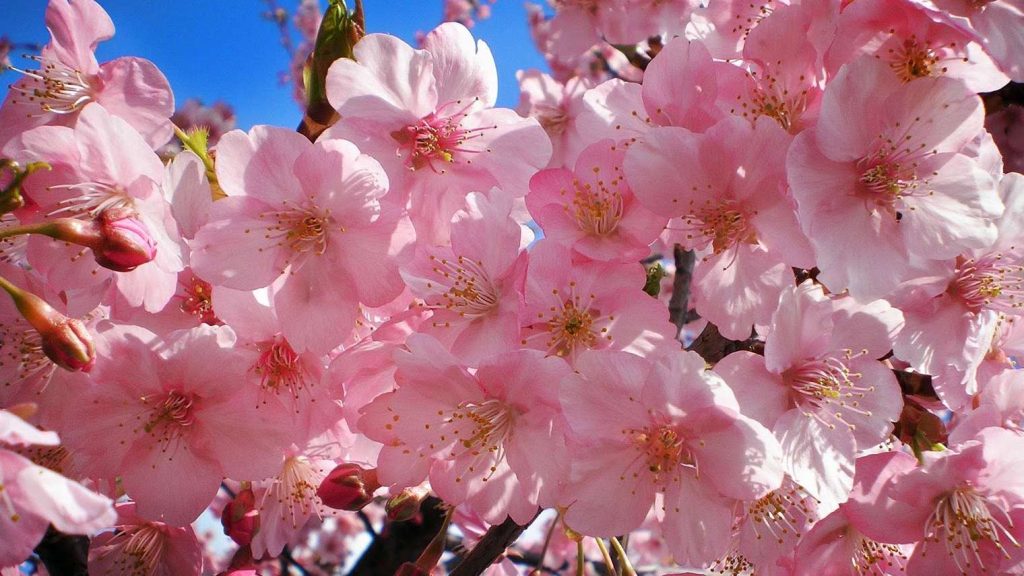
Peony flower is a popular garden plant known for its large, fragrant blooms, elegant appearance, and long-lasting beauty. Many gardeners grow peonies for their stunning flowers and easy long-term care once established. In addition to their ornamental value, peony flowers symbolize love, prosperity, honor, romance, and good fortune. With many peony varieties available, these hardy perennials can brighten gardens, bouquets, and landscapes for years. Learn how to grow peonies, choose the best varieties, and provide proper peony care for healthy blooms.
What Is a Peony Flower?
The Peony flower belongs to the genus Paeonia, the only genus in the Paeoniaceae family. These flowering perennials are native to Asia, Europe, and western North America, where they have been admired for thousands of years.

Peonies are especially popular because they combine beauty with durability. Once established, they produce lush foliage in spring, followed by spectacular blooms in late spring or early summer. Even after flowering has finished, the deep green leaves continue to provide attractive texture throughout the growing season.
Most gardeners grow peonies for several reasons:
- Exceptionally large flowers
- Sweet, pleasant fragrance
- Long lifespan
- Excellent cold tolerance
- Outstanding cut flowers
- Minimal maintenance
- Reliable annual blooming
Because of these qualities, peonies remain one of the most valuable investments for any perennial garden.
The Meaning and Symbolism of the Peony Flower
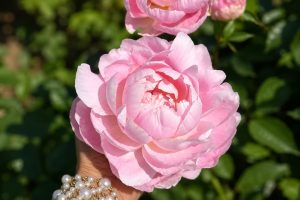
Beyond their beauty, peonies carry rich symbolism in many cultures around the world.
Love and Romance
Peonies have long represented romantic love and lasting relationships. They are frequently used in wedding bouquets because they symbolize a happy marriage, prosperity, and lifelong commitment.
Prosperity and Wealth
In China, the peony is often called the “King of Flowers.” It has been admired for centuries as a symbol of wealth, honor, nobility, and success. Many traditional Chinese paintings feature peonies to represent abundance and good fortune.
Good Luck
Many gardeners believe planting peonies near the home attracts positive energy and good luck. Their annual display of magnificent flowers is often associated with renewal and optimism.
Beauty and Grace
The luxurious layers of petals have become symbols of elegance, femininity, and timeless beauty. Artists, poets, and designers frequently use peonies as inspiration.
Compassion and Healing
Historically, different parts of the peony plant were used in traditional herbal medicine. While modern gardeners primarily value peonies for ornamental purposes, their historical connection to healing adds another layer of symbolism.
Popular Types of Peony Flowers
There are three main categories of peonies, each offering unique characteristics.
Herbaceous Peonies
Herbaceous peonies are the most commonly grown type. Their stems die back to the ground every winter before emerging again in spring.
Popular cultivars include:
- Sarah Bernhardt
- Karl Rosenfield
- Festiva Maxima
- Bowl of Beauty
- Duchesse de Nemours
These varieties are excellent for beginners because they are hardy, dependable, and relatively easy to grow.
Tree Peonies
Unlike herbaceous varieties, tree peonies develop woody stems that remain above ground throughout the year.
Their advantages include:
- Extra-large flowers
- Earlier blooming
- Stunning architectural form
- Exceptional longevity
Tree peonies grow more slowly but often produce breathtaking blossoms measuring up to 10 inches across.
Itoh (Intersectional) Peonies
Itoh peonies are hybrids between herbaceous and tree peonies.
They combine the best features of both parents:
- Strong stems
- Massive blooms
- Extended flowering period
- Disease resistance
- Attractive foliage
Although more expensive, many experienced gardeners consider Itoh peonies worth every penny.
Peony Flower Colors and Their Meanings
One of the greatest attractions of the Peony flower is its incredible range of colors.
| Flower Color | Symbolic Meaning |
|---|---|
| Pink | Romance and happiness |
| White | Purity and innocence |
| Red | Love, prosperity, and passion |
| Coral | Joy and excitement |
| Yellow | Friendship and hope |
| Purple | Royalty and admiration |
Many modern hybrids also feature striking bicolor blooms with contrasting centers or edges.
When Do Peonies Bloom?
Peonies generally bloom from late spring to early summer.
Bloom time depends on:
- Variety
- Local climate
- Winter chilling
- Spring temperatures
Gardeners often extend the flowering season by planting:
- Early-blooming varieties
- Mid-season varieties
- Late-blooming varieties
This strategy can provide nearly six weeks of continuous blooms.
Individual flowers typically last seven to ten days, although cool weather may extend their display.
How to Grow Peony Flowers

Growing peonies successfully begins with choosing the right location. Since they dislike being transplanted, careful planning is essential.
Choose a Sunny Location
Peonies bloom best in full sun.
Provide:
- At least six hours of sunlight daily
- Morning sun if possible
- Good airflow
- Protection from strong winds
Too much shade often results in poor flowering.
Prepare Well-Drained Soil
Healthy roots require excellent drainage.
Ideal soil should be:
- Rich in organic matter
- Fertile
- Loamy
- Slightly acidic to neutral (pH 6.5–7.0)
Improve heavy clay soil by adding compost before planting.
Plant at the Correct Depth
One of the biggest mistakes beginners make is planting peonies too deeply.
For herbaceous peonies:
- Position the buds only 1–2 inches below the soil surface.
If planted deeper, the plant may produce healthy leaves but fail to flower.
Water Properly
Newly planted peonies need regular watering during their first growing season.
Established plants benefit from:
- Deep watering once per week
- Additional moisture during drought
- Watering at soil level instead of overhead
Avoid constantly soggy soil.
Mulch Carefully
Apply a thin layer of organic mulch to:
- Retain moisture
- Reduce weeds
- Protect roots
Do not pile mulch directly over the crown.
How to Care for Peony Flowers
Peonies are remarkably low-maintenance once established.
Fertilizing
Feed peonies in early spring using:
- Compost
- Well-rotted manure
- Balanced fertilizer
Avoid excessive nitrogen because it encourages leafy growth instead of flowers.
Supporting Heavy Flowers
Many double-flowered varieties become heavy after rain.
Install supports early in spring before rapid growth begins.
Plant rings and peony cages work especially well.
Deadheading
Remove faded flowers after blooming.
Benefits include:
- Improved appearance
- Reduced seed production
- More energy directed toward root development
Pruning
For herbaceous peonies:
Cut stems to ground level after autumn frost.
For tree peonies:
Only remove damaged or dead wood.
Healthy woody stems should remain.
Common Problems and Solutions
Even healthy gardens occasionally experience problems.
Peonies Not Blooming
Common causes include:
- Planting too deeply
- Too much shade
- Excess nitrogen
- Immature plants
- Recent transplanting
Patience is often the solution because young peonies may need two or three years before flowering.
Botrytis Blight
Symptoms include:
- Blackened stems
- Rotting buds
- Gray mold
Improve air circulation and remove infected growth immediately.
Powdery Mildew
Powdery mildew often appears during humid late summer.
Although rarely fatal, it can reduce the plant’s appearance.
Proper spacing greatly reduces infections.
Root Rot
Poor drainage may cause roots to rot.
Always avoid waterlogged soil.
Ants on Flower Buds
Many gardeners become concerned after seeing ants covering unopened buds.
Fortunately, ants are harmless.
They feed on sugary nectar produced by the buds but do not help flowers open, despite the common myth.
Growing Peonies in Containers
Although peonies perform best in garden beds, they can also grow successfully in large containers.
Choose a container:
- At least 18–20 inches wide
- Equally deep
- With excellent drainage holes
Use premium potting mix enriched with compost.
Container-grown peonies need more frequent watering than garden plants and may require winter insulation in colder regions.
Best Companion Plants for Peonies
Peonies combine beautifully with many perennial flowers.
Excellent companion plants include:
- Roses
- Lavender
- Salvia
- Catmint
- Iris
- Delphinium
- Foxglove
- Allium
These plants complement peonies by extending seasonal color after the peony flowers have faded.
How to Cut Peonies for Floral Arrangements
Peonies make exceptional cut flowers.
For the longest vase life:
- Harvest early in the morning.
- Choose buds that feel like soft marshmallows.
- Remove lower leaves.
- Place stems immediately into fresh water.
- Replace water every two days.
With proper care, cut flowers usually last between five and ten days indoors.
Frequently Asked Questions
How long do peonies live?
Many peonies live for 30–50 years, while exceptional specimens may survive for over 100 years.
Do peonies bloom every year?
Yes. Healthy established plants bloom annually if they receive sufficient sunlight and winter chilling.
Why won’t my peony flower?
The most common reasons are planting too deeply, inadequate sunlight, excessive fertilizer, or immature plants.
Can peonies grow in warm climates?
Some cultivars perform reasonably well in mild climates, but most require several weeks of winter cold to produce abundant flowers.
Are peonies poisonous?
Peonies contain compounds that may cause mild stomach upset if consumed by people or pets, so they should not be eaten.
Can peonies be divided?
Yes. Mature herbaceous peonies can be divided during autumn, although they dislike frequent disturbance.
Do peonies attract pollinators?
Absolutely. Bees and other beneficial insects frequently visit single and semi-double peony flowers for nectar and pollen.
Final Thoughts
The Peony flower remains one of the world’s most treasured ornamental plants for good reason. Its breathtaking blossoms, intoxicating fragrance, and exceptional longevity make it a worthwhile addition to almost any garden. While peonies require patience during their early years, the reward is a plant that can provide spectacular blooms for decades with surprisingly little care.
Whether you choose a classic herbaceous variety, an elegant tree peony, or a modern Itoh hybrid, success begins with planting in a sunny location, providing fertile well-drained soil, and avoiding the common mistake of planting too deeply. Once established, peonies become increasingly beautiful each year, often producing dozens of magnificent flowers that brighten the garden and create unforgettable floral arrangements.
If you’re looking for a flowering perennial that combines elegance, resilience, and timeless appeal, the Peony flower deserves a place in your landscape. With proper planting and simple annual care, these magnificent blooms will reward you with generations of beauty, becoming one of the most cherished highlights of your garden.