Roses are one of the most beloved flowers in American gardens, known for their beauty, fragrance, and wide range of colors. From classic red roses to soft pink, white, yellow, and orange varieties, there is a rose for almost every landscape. Roses can grow in flower beds, containers, borders, and even small backyard gardens when given the right conditions. Whether you are planting your first rose bush or improving an established garden, understanding sunlight, soil, watering, pruning, and basic rose care can help your plants produce healthy foliage and beautiful blooms throughout the growing season.

1. What Are Roses?
Roses are flowering plants in the Rosa genus and belong to the Rosaceae family. There are thousands of rose varieties, ranging from compact miniature roses to large climbing plants that can cover fences, arches, and trellises.
Roses are native to different parts of the Northern Hemisphere, including Europe, Asia, North America, and the Middle East. Over centuries, gardeners have developed countless cultivars with different flower shapes, colors, fragrances, growth habits, and levels of disease resistance.
Today, roses are grown throughout the United States. They are popular not only for ornamental gardens but also for bouquets, landscaping, wedding arrangements, and cut flowers.
2. Popular Types of Roses

Choosing the right type of rose is one of the most important steps when planning a rose garden. Different roses have different growth habits and maintenance requirements.
Hybrid Tea Roses
Hybrid tea roses are famous for their classic, elegant flowers and long stems. They are commonly used as cut flowers and often produce large blooms individually.
These roses are an excellent choice if you want traditional-looking flowers for bouquets or a formal garden. However, some varieties may require more attention than modern disease-resistant roses.

Floribunda Roses
Floribunda roses produce clusters of flowers rather than single blooms. They are often valued for their long flowering season and ability to add plenty of color to garden beds.
They work especially well in borders, mass plantings, and landscape gardens.
Grandiflora Roses
Grandiflora roses combine characteristics of hybrid tea and floribunda roses. They can produce large flowers while growing in clusters on taller plants.
Because of their height, they can make attractive focal points in larger flower beds.
Climbing Roses
Climbing roses produce long canes that can be trained along fences, trellises, arches, and garden structures.
Despite their name, climbing roses usually need support and guidance from the gardener. They are particularly useful when you want to add vertical interest to a landscape.
Shrub Roses
Shrub roses are generally known for their strong growth and versatility. Many modern shrub roses have been bred for improved disease resistance and repeat flowering.
They are a practical option for homeowners who want attractive roses without creating a highly formal garden.
Miniature Roses
Miniature roses are smaller than most traditional rose bushes and can work well in containers, small gardens, patios, and balconies.
Their smaller size makes them especially useful when gardening space is limited.
3. How to Grow Roses

Growing roses successfully begins with choosing a suitable location and preparing the soil before planting.
Choose the Right Location
Most roses grow best in a location that receives at least 6 hours of direct sunlight per day. Morning sunlight is especially helpful because it allows leaves to dry after overnight moisture, which can reduce conditions favorable to some fungal diseases.
Avoid planting roses where they are shaded by large trees or buildings for most of the day.
Good air circulation is also important. Give mature rose bushes enough room so that leaves and branches are not constantly crowded together.
Prepare the Soil
Roses prefer fertile, well-draining soil rich in organic matter. Heavy clay soil can hold too much water, while very sandy soil may drain too quickly.
Before planting, work compost or other well-decomposed organic matter into the soil. This can improve soil structure and help provide a more suitable environment for the roots.
A soil test can also help you understand whether your garden soil needs amendments.
Plant Roses
The best planting time depends on your climate and whether you are planting bare-root or container-grown roses.
Dig a hole that is wide enough to accommodate the root system without bending or crowding the roots. Place the plant at the appropriate depth for its type and growing conditions, then fill the hole with soil.
Water thoroughly after planting to help settle the soil around the roots.
Adding a layer of organic mulch around the base can help conserve moisture and reduce weed growth. Keep mulch slightly away from the main stem to avoid excessive moisture against the plant.
4. How Much Sun Do Roses Need?

Roses generally perform best in full sun. Aim for at least six hours of direct sunlight each day, although some varieties may tolerate a little less.
Insufficient sunlight can lead to weak growth, fewer flowers, and increased moisture around the foliage.
If your garden receives afternoon shade, choose a location that gets strong morning and midday sunlight. Always check the requirements of your specific rose variety because growing habits can vary.
5. How Often Should You Water Roses?
Newly planted roses need consistent moisture while their root systems become established. Water deeply rather than giving the plant small amounts of water every day.
Once established, many roses can tolerate short periods of dry weather, but they generally perform best when the soil remains evenly moist without becoming waterlogged.
Water at the base of the plant instead of frequently wetting the leaves and flowers. A soaker hose or drip irrigation system can make watering easier while keeping foliage relatively dry.
During hot summer weather, check the soil regularly. Container-grown roses may need water more frequently because pots can dry out faster than garden soil.
6. Fertilizing Roses
Roses are relatively heavy feeders, particularly when they are actively growing and flowering.
A balanced fertilizer formulated for roses can provide nutrients needed for healthy foliage and flower production. Follow the product label carefully rather than applying more fertilizer than recommended.
Overfertilizing can encourage excessive leafy growth and may contribute to plant stress.
A good gardening routine is to combine appropriate fertilization with compost, quality soil, adequate sunlight, and consistent watering.
7. How to Prune Roses
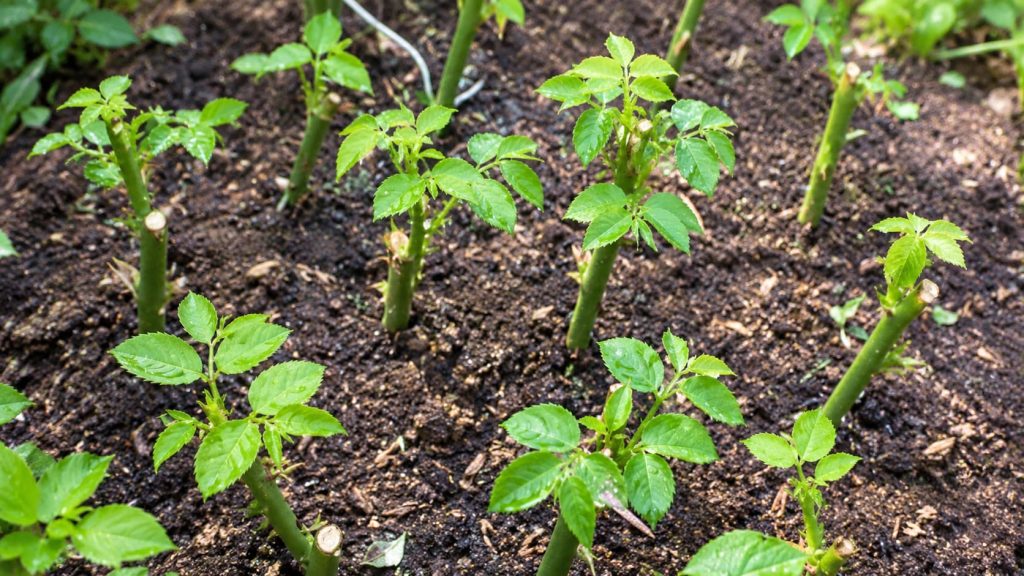
Pruning helps rose bushes maintain a healthy shape, encourage strong new growth, and produce more beautiful blooms. Start by removing dead, damaged, or diseased branches. Then remove weak, crossing, or inward-growing stems to improve airflow and keep the center of the plant open.
Use clean, sharp pruning shears and make cuts just above healthy, outward-facing buds. This encourages new shoots to grow away from the center and creates a fuller, more balanced bush.
Different rose varieties may require different pruning techniques. Climbing roses, shrub roses, hybrid teas, and floribundas should not always be pruned in the same way. For repeat-blooming roses, removing faded flowers can also encourage additional blooms.
For a detailed step-by-step guide, see our How to Prune Roses guide.
8. Common Rose Problems
Although roses can be rewarding to grow, they may experience several common garden problems.
Aphids
Aphids are small insects that often gather on young shoots, flower buds, and new leaves. Heavy infestations can cause distorted growth.
Encouraging beneficial insects such as lady beetles and avoiding unnecessary broad-spectrum pesticides can help support natural pest control.
Black Spot
Black spot is a common fungal disease that causes dark spots on rose leaves and can lead to premature leaf drop.
Good air circulation, proper watering practices, sanitation, and planting disease-resistant varieties can reduce the risk.
Remove fallen infected leaves from around the plant rather than leaving them on the soil surface.
Powdery Mildew
Powdery mildew can appear as a white, powdery coating on leaves and young shoots. It is more likely under certain environmental conditions, especially when plants have poor air circulation.
Give roses adequate spacing and avoid creating overly humid conditions around the foliage.
Japanese Beetles
Japanese beetles can feed on rose leaves and flowers during their active season in many parts of the United States.
Regularly inspecting plants can help you identify problems early. Remove visible beetles when practical and monitor your plants throughout the season.
9. How to Keep Roses Blooming
Several basic practices can encourage roses to produce flowers throughout the growing season.
Start with a variety suited to your climate and growing conditions. Provide plenty of sunlight, water deeply when needed, and maintain healthy soil.
Deadheading spent flowers can also encourage many repeat-blooming varieties to produce additional flowers.
Avoid excessive nitrogen fertilizer, which may encourage leafy growth at the expense of flowering.
Regularly inspect your roses for pests and disease. Catching problems early is usually easier than trying to correct severe damage later.
10. Growing Roses in Containers
You do not need a large yard to grow roses. Compact and miniature varieties can perform well in containers when given appropriate care.
Choose a container with drainage holes and enough space for the mature root system. Use a quality potting mix rather than heavy garden soil.
Place the container where the rose can receive plenty of sunlight. Because containers dry out more quickly than garden beds, check soil moisture regularly during warm weather.
Container roses may also need more frequent feeding because nutrients can be depleted through watering.
11. How to Prepare Roses for Winter
Winter rose care depends heavily on your USDA hardiness zone and the specific variety.
Before winter, clean up fallen leaves and plant debris around the base of the rose. Continue watering as needed until the ground begins to freeze, especially during dry fall weather.
In colder regions, gardeners may protect the base of some roses with additional mulch. Certain tender varieties may require more extensive winter protection.
Avoid applying heavy fertilizer late in the growing season unless recommended for your specific climate and rose variety, as encouraging tender new growth before winter can be undesirable.
Final Thoughts
Roses can bring color, fragrance, and classic beauty to almost any garden. With thousands of varieties available, gardeners can choose roses suited to small containers, backyard flower beds, formal landscapes, or vertical spaces.
The key to successful rose care is providing plenty of sunlight, well-drained soil, consistent moisture, adequate nutrition, and good air circulation. Regular inspection also helps you catch pests and diseases before they become serious problems. Whether you prefer traditional hybrid teas, colorful floribundas, climbing roses, or easy-care shrub varieties, the right rose can become a beautiful and long-lasting part of your garden.
Frequently Asked Questions About Roses
How much sun do roses need?
Most roses need at least six hours of direct sunlight per day. More sunlight generally supports stronger growth and better flowering, provided the plant receives adequate moisture.
How often should I water roses?
Water roses deeply when the soil begins to dry rather than giving them frequent shallow watering. Newly planted roses usually need more consistent moisture while their roots become established.
What is the best soil for roses?
Roses generally prefer fertile, well-draining soil containing plenty of organic matter. Avoid locations where water remains around the roots for long periods.
When is the best time to prune roses?
The best pruning time depends on the rose variety and local climate. Many gardeners perform major pruning during late winter or early spring before strong new growth begins.
Can roses grow in pots?
Yes. Miniature, patio, and compact shrub roses can grow successfully in containers when they receive enough sunlight, water, nutrients, and root space.
Why are my roses not blooming?
Roses may fail to bloom because of insufficient sunlight, improper pruning, excessive nitrogen, inadequate moisture, plant stress, or other growing problems. Check the plant’s growing conditions before making major changes.
How long do roses bloom?
Blooming periods vary by variety and climate. Many modern roses are repeat bloomers and can produce flowers several times throughout the growing season when properly cared for.