Peace Lily is one of those houseplants that can make a room feel greener without demanding constant attention. With glossy leaves, elegant white flowers, and a natural preference for warm indoor conditions, it is a favorite among both beginners and experienced plant growers.

With the right light, watering routine, soil, and occasional pruning, a Peace Lily can stay attractive and healthy for years.
What Is a Peace Lily?
Peace Lily is the common name for plants in the Spathiphyllum genus, a group of tropical plants native to parts of Central and South America and other tropical regions. Despite its name, it is not a true lily.
It is especially popular as a houseplant because it handles indoor conditions well and can grow in bright, indirect light as well as lower-light areas. The plant produces distinctive white spathes that surround a small flower spike, giving it the familiar appearance of a white flower.
Peace Lilies prefer consistently warm conditions, moderate humidity, and soil that stays lightly moist without becoming waterlogged.
How to Identify a Peace Lily
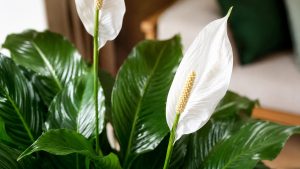
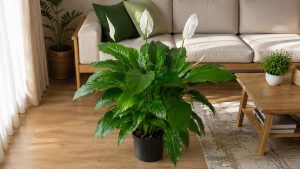
A healthy Peace Lily is easy to recognize by its combination of dark green foliage and white, hood-like blooms. The leaves are usually broad, pointed, and slightly glossy, growing from the base of the plant on long leaf stalks.
The most noticeable feature is the white spathe. Many people think this is the flower, but the spathe is actually a modified leaf surrounding the central flower spike, known as a spadix. The spadix contains many tiny flowers and may appear cream, yellowish, or pale green as the bloom matures.
Peace Lilies come in several sizes, from compact varieties suitable for desks and shelves to larger plants that can become impressive floor specimens. Depending on the variety, mature plants may have relatively short foliage or form a fuller clump with numerous leaves.
The leaves are also useful indicators of the plant’s condition. When a Peace Lily needs water, its leaves can droop noticeably. After thorough watering, a healthy plant often perks back up. However, repeated severe wilting is not a good long-term care strategy, so it is better to establish a regular watering routine rather than waiting for dramatic drooping every time.
How to Grow and Care for a Peace Lily

Choose the Right Location
The easiest place to grow a Peace Lily is indoors where temperatures remain relatively stable.
Choose a location with bright, indirect light. A spot near an east- or north-facing window can work well, while a few feet away from a brighter south- or west-facing window may also be suitable.
Avoid placing the plant directly against a window where intense afternoon sunlight hits the leaves for long periods. Strong direct sun can scorch the foliage and leave brown or faded patches.
Peace Lily can tolerate lower light, but there is a trade-off. In very dim conditions, the plant may grow more slowly and produce fewer flowers.
Give It the Right Soil
Peace Lily does best in a well-draining, moisture-retentive potting mix. The soil should hold enough moisture for the roots but still allow excess water to escape.
A good indoor potting mix combined with materials that improve drainage, such as perlite or orchid bark, can work well.
The pot should always have drainage holes. This is one of the simplest ways to avoid problems caused by standing water around the roots.
Watering a Peace Lily
Watering is one of the most important parts of Peace Lily care.
Instead of watering strictly according to a calendar, check the soil first. When the top inch or two feels slightly dry, water the plant thoroughly until some water runs from the drainage holes.
Empty excess water from the saucer rather than allowing the pot to sit in water.
Peace Lilies like consistent moisture, but they do not like constantly saturated soil. Overwatering can keep the roots too wet and eventually lead to root problems.
If the leaves suddenly droop, check the soil before watering. Drooping can mean the plant is thirsty, but it can also happen when the roots are stressed by overly wet soil.
Temperature and Humidity
Peace Lily is a tropical plant, so it prefers warm indoor temperatures. Keep it away from cold drafts, air-conditioning vents, heaters, and sudden temperature changes.
Moderate to higher humidity is generally appreciated, especially in dry indoor environments. If the air is very dry, you can place the plant near other houseplants or use a humidifier.
There is no need to keep the leaves constantly wet. Good air circulation and sensible watering are more important than repeatedly misting the foliage.
Fertilizing
Peace Lily does not need heavy feeding.
During active growth, a balanced houseplant fertilizer applied according to the product instructions can provide useful nutrients. Avoid applying more fertilizer than recommended because excess fertilizer can build up in the soil and damage the roots.
If the plant is growing slowly during darker months, reduce feeding rather than trying to force growth with extra fertilizer.
How to Prune a Peace Lily
Pruning is simple and mostly involves removing old, damaged, or unattractive growth.
Use clean, sharp scissors or pruning shears to cut yellow or brown leaves close to the base. Once a flower has faded, remove the flower stalk near the bottom of the plant.
Regular removal of old leaves helps keep the plant looking tidy and allows it to put energy into healthy new growth.
You do not need to heavily prune a Peace Lily to keep it healthy. In most cases, light maintenance is enough.
New to growing peace lilies? Check out our guide on Peace Lily Care for Beginners to learn the basics of watering, light, soil, and everyday care.
When to Repot
Peace Lily may eventually become root-bound or outgrow its container. Signs can include roots growing through drainage holes, very slow growth, or soil that dries unusually quickly.
When repotting, choose a container only slightly larger than the current one. A pot that is dramatically larger can hold excess moisture for too long.
Repotting is also a good opportunity to refresh old potting mix and check the roots.
What Does a Peace Lily Symbolize?
Peace Lily is commonly associated with peace, calm, purity, and renewal. Its white spathes and graceful appearance have made it a popular decorative plant for homes, offices, and other indoor spaces.
Many people also choose Peace Lily as a thoughtful gift because of its simple, elegant appearance and association with peaceful surroundings.
These meanings are cultural and symbolic rather than scientific properties of the plant, but they add to its appeal as an indoor ornamental plant.
Practical Tips for Growing and Caring for Peace Lily
One of the best lessons when growing Peace Lily is to pay attention to the plant instead of following a rigid watering schedule.
Check the soil before watering. Indoor conditions change throughout the year, so the plant may need water more often during warm, bright periods and less often when growth slows.
Watch the leaves. Peace Lily leaves are surprisingly good at showing when something is wrong. Drooping may indicate dry soil, while persistent yellowing can sometimes point to watering or root problems.
Keep the leaves clean. Dust can collect on the broad foliage. Gently wiping the leaves with a clean, damp cloth can improve their appearance and help you notice pests early.
Rotate the pot occasionally. If the plant grows toward a window, turning the container every week or two can encourage more even growth.
Do not chase flowers with extra fertilizer. If a Peace Lily is healthy but not flowering, first check its light. Extremely low light is a common reason for poor flowering.
Give it enough space. Avoid squeezing the plant between furniture or placing it directly against a wall. A little airflow around the foliage can help keep the plant in better condition.
Do not rely on drooping every time. A Peace Lily can recover from occasional wilting, but repeated severe drought can stress the plant. Aim for consistently slightly moist soil rather than using dramatic drooping as your watering signal.
Common Peace Lily Pests and Diseases
Peace Lily is generally easy to maintain, but several common houseplant problems can appear when growing conditions are poor.
Root Rot
Root problems are often associated with excessive moisture, poor drainage, or a pot without adequate drainage holes.
To reduce the risk, use a well-draining potting mix and allow excess water to drain away. If the soil remains wet for a long time, reconsider the pot size, soil mix, and watering frequency.
Fungus Gnats
Small flying insects around the soil can be fungus gnats. They are more common when potting soil stays consistently wet.
Allowing the surface of the soil to dry somewhat between waterings and avoiding unnecessary overwatering can help reduce favorable conditions for them.
Spider Mites
Spider mites may become a problem when indoor air is very dry. You may notice fine webbing or tiny pests around leaves.
Inspect the undersides of leaves regularly, especially if the foliage begins looking dull or stressed. Keeping the plant properly watered and maintaining reasonable humidity can help reduce stress.
Mealybugs and Scale
Mealybugs can appear as small cottony clusters, while scale may look like small bumps attached to stems or leaves.
Check new growth, leaf joints, and the undersides of leaves when inspecting the plant. Early detection makes pest management much easier.
Brown Leaf Tips
Brown tips do not always mean disease. They can result from inconsistent watering, dry indoor air, fertilizer buildup, or other environmental stress.
Rather than simply cutting off the brown portions and ignoring the cause, check the plant’s watering routine, humidity, light, and soil condition.
Final Thoughts
Peace Lily is a rewarding houseplant because it combines an attractive appearance with relatively straightforward care. Give it bright, indirect light, evenly moist but well-drained soil, warm temperatures, and occasional feeding, and it can remain a beautiful part of your indoor garden for a long time.
The key is balance. Peace Lily likes moisture, but not soggy roots; it likes light, but not harsh direct sun; and it benefits from regular care without needing constant attention.
Once you learn to read its leaves and check the soil before watering, Peace Lily becomes much easier to grow. A little observation often works better than following a strict schedule.
Peace Lily FAQ
1. How much light does a Peace Lily need?
Peace Lily grows best in bright, indirect light. It can tolerate lower-light conditions, but very little light may result in slower growth and fewer flowers. Protect it from prolonged, intense direct sunlight.
2. How often should I water a Peace Lily?
Water when the upper portion of the soil begins to dry rather than watering on a fixed schedule. Water thoroughly, then allow excess water to drain away. The exact frequency depends on light, temperature, pot size, soil, and indoor humidity.
3. Why are my Peace Lily leaves turning yellow?
Yellow leaves can have several causes, including overwatering, poor drainage, aging foliage, or environmental stress. Check the soil moisture and drainage first before changing your entire care routine.
4. Why is my Peace Lily not flowering?
Insufficient light is a common reason. Move the plant to a brighter location with indirect light. Avoid placing it in harsh afternoon sun simply to encourage flowering.
5. Can Peace Lily grow in low light?
Yes, Peace Lily can tolerate lower light better than many flowering houseplants. However, low light usually means slower growth and fewer blooms. For the best overall performance, provide bright, filtered or indirect light.
6. Should I cut off dead Peace Lily flowers?
Yes. Once a flower has faded, you can cut the flower stalk near the base using clean scissors or pruning shears. This keeps the plant looking tidy and encourages it to focus on healthy new growth.