The Jade Plant is a beautiful, long-lived succulent known for its thick stems, fleshy green leaves, and easy-care nature. It thrives in bright light, well-draining soil, and careful watering, making it a popular choice for indoor spaces. This guide explains how to grow and care for a Jade Plant, including light, watering, soil, temperature, humidity, fertilizing, repotting, propagation, and common problems.
What Is a Jade Plant?
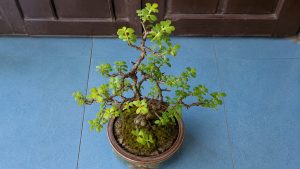
The Jade Plant, scientifically known as Crassula ovata, is a succulent native to parts of southern Africa. It is valued for its thick, fleshy leaves and woody stems, which give mature plants a small tree-like appearance.
Unlike many houseplants, Jade Plants store water in their leaves and stems. This adaptation allows them to tolerate periods of dry soil better than plants that require consistently moist conditions.
Jade Plants can grow slowly indoors but may eventually become substantial plants when given the right environment. Their thick branches can also be shaped through pruning, making them attractive as tabletop plants or larger indoor specimens.
The leaves are usually green and oval-shaped, although some cultivars have reddish edges, cream markings, or other variations.

How to Grow a Jade Plant
Growing a Jade Plant successfully starts with choosing a healthy plant and giving it an appropriate location.
Look for a plant with firm leaves, sturdy stems, and no obvious signs of pests or disease. Soft, mushy leaves can indicate moisture-related problems.
Choose a container with drainage holes. This is particularly important for succulents because their roots can be damaged when excess water remains around them.
Use a well-draining succulent or cactus potting mix. Place the plant in a bright location and allow the soil to dry between waterings.
Jade Plants generally prefer consistency. Once you find a suitable location, avoid moving the plant frequently unless necessary.
Jade Plant Light Requirements
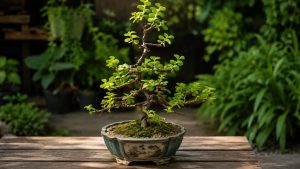
Bright light is one of the most important requirements for a healthy Jade Plant.
Place your plant near a bright window where it can receive several hours of sunlight or strong indirect light each day.
An east-facing or south-facing window can provide suitable conditions, although the intensity of sunlight varies depending on the season and your home.
If the plant receives too little light, growth may become weak or stretched. The stems may lean toward the light source, and the plant may lose its compact shape.
When moving a Jade Plant from a low-light location into strong direct sunlight, make the transition gradually. A sudden increase in sunlight can cause leaf stress.
Rotate the pot occasionally so different sides of the plant receive light. This can help encourage more balanced growth.
How to Water a Jade Plant
Watering is one of the most important parts of Jade Plant care.
Because Jade Plants are succulents, they prefer their soil to dry between waterings. Avoid keeping the soil constantly damp.
Before watering, check the soil with your finger. If the soil is still noticeably moist, wait before watering again. Once the soil has dried sufficiently, water thoroughly until excess moisture drains from the bottom of the container.
Always empty water that collects in a saucer or decorative outer pot.
The exact watering frequency depends on several factors, including light, temperature, humidity, pot size, and soil type.
During warmer periods with strong light, the plant may use water more quickly. During cooler or darker periods, the soil may remain dry for longer.
Instead of following a fixed weekly schedule, check the soil and the plant regularly.
Overwatering is one of the most common problems with Jade Plants. Too much moisture can lead to root problems and soft or yellowing leaves.
Best Soil for Jade Plant
The best soil for Jade Plant is fast-draining and airy.
A cactus or succulent potting mix is usually a convenient choice. You can also improve the drainage of a standard potting mix by incorporating suitable materials such as perlite.
The goal is to prevent excess water from remaining around the roots for long periods.
Avoid heavy garden soil in indoor containers because it may retain too much moisture and become compacted.
The pot itself is equally important. Choose a container with drainage holes at the bottom.
Terracotta pots can also be useful for succulents because their porous material allows some moisture to evaporate through the sides.
Temperature and Humidity
Jade Plants generally adapt well to normal indoor temperatures.
Keep the plant away from cold drafts and sudden temperature changes. Avoid placing it directly next to heating equipment or air-conditioning vents.
Unlike many tropical houseplants, Jade Plants do not require very high humidity.
Average indoor humidity is often sufficient as long as the plant has good airflow and is not kept in excessively damp conditions.
Avoid misting the leaves as a routine care practice. Excess moisture on foliage is generally unnecessary for this succulent, and good air circulation is more useful.
During colder months, protect the plant from very cold conditions and reduce watering if the soil is drying more slowly.
How to Fertilize a Jade Plant
Jade Plants do not require heavy feeding because they grow relatively slowly.
During active growth, you can use a balanced fertilizer formulated for houseplants or succulents according to the product instructions.
Avoid overfertilizing. Applying too much fertilizer can lead to excessive nutrient buildup in the soil and may stress the roots.
If you have recently repotted the plant into fresh potting mix containing nutrients, additional fertilizer may not be necessary immediately.
During periods of low light or slower growth, reduce feeding rather than trying to encourage rapid growth.
A simple, moderate fertilizing routine is usually enough to support healthy Jade Plant growth.
How to Prune a Jade Plant
Pruning can help maintain the shape and size of a Jade Plant.
Remove damaged, dead, or unhealthy growth using clean pruning tools. You can also trim overly long branches if you want to encourage a more compact appearance.
Pruning is generally best performed during active growth.
Avoid removing too much growth at once. Jade Plants grow slowly, so give the plant time to recover and produce new branches.
Pruning can also be useful for shaping mature plants into a small tree-like form.
After pruning, provide suitable light and avoid excessive watering while the cut areas recover.
How to Repot a Jade Plant
Jade Plants do not need frequent repotting because they grow relatively slowly.
Consider repotting when the roots have become crowded, the plant has become unstable, or the existing soil no longer drains properly.
Choose a container that is only slightly larger than the current pot. A very large container can hold more moisture than the plant needs.
Carefully remove the plant and inspect the roots. Avoid unnecessary root disturbance.
Place fresh, well-draining succulent soil into the new container and position the plant at approximately the same depth as before.
After repotting, give the plant time to adjust to its new container and avoid excessive watering.
How to Propagate a Jade Plant
Jade Plants are relatively easy to propagate, which makes them a popular choice for beginners.
They can be propagated from stem cuttings or healthy leaves.
For stem propagation, take a healthy cutting using a clean tool. Allow the cut end to dry and form a callus before placing it into a suitable growing medium.
Leaf propagation can also work, although it usually takes longer. A healthy leaf can be placed on an appropriate succulent-growing medium and allowed to develop roots and new growth.
Once new roots and growth appear, continue providing bright light and careful moisture.
Avoid overwatering young Jade Plant cuttings. Small propagations are particularly vulnerable to excessive moisture.
Common Jade Plant Problems
Yellow Leaves
Yellow leaves can occur for several reasons, but excessive watering is a common concern.
Check the soil before watering again. If it remains wet for an extended period, inspect the drainage and consider whether the soil is too dense.
Older leaves may also naturally turn yellow and fall as the plant develops new growth.
Soft or Mushy Leaves
Soft leaves can be a sign of excessive moisture.
Check the soil and container drainage. If the soil stays wet for too long, reduce watering and improve drainage conditions.
Avoid automatically adding more water when the leaves look unhealthy.
Wrinkled Leaves
Wrinkled leaves can occur when the plant is using its stored moisture and the soil has remained dry for too long.
Check the soil moisture before watering. If the soil is completely dry, give the plant a thorough watering and allow excess water to drain away.
Leggy Growth
Leggy or stretched growth is often associated with insufficient light.
Move the plant gradually toward a brighter location. Avoid immediately placing a plant accustomed to low light under intense direct sunlight.
Pruning can also help reshape a plant that has developed long, weak stems.
Drooping Leaves
Drooping may be related to watering problems, root stress, or unsuitable environmental conditions.
Check the soil first. If the soil is wet, avoid watering again and investigate drainage. If it is extremely dry, the plant may need water.
Jade Plant Pests
Jade Plants can occasionally experience common houseplant pests, especially mealybugs and scale insects.
Inspect the leaves, stems, and areas around new growth regularly.
Mealybugs may appear as small, cotton-like clusters, while scale insects can appear as small bumps attached to stems or leaves.
If you notice pests, isolate the affected plant from other houseplants and use an appropriate treatment according to the product label.
Keeping the plant healthy with suitable light, watering, and airflow can also help reduce environmental stress.
Conclusion
The Jade Plant is an attractive and relatively easy-care succulent that can thrive indoors for many years with the right conditions. Its thick leaves and woody stems give it a distinctive appearance, while its ability to tolerate periods of dry soil makes it suitable for beginners.
The key to successful Jade Plant care is providing bright light, well-draining soil, careful watering, moderate humidity, and stable temperatures. Avoid keeping the roots constantly wet, and give the plant enough light to maintain strong, compact growth.
With consistent care and a little patience, a Jade Plant can become a beautiful, long-lasting addition to your indoor plant collection.
Frequently Asked Questions
How much light does a Jade Plant need?
Jade Plants generally prefer bright light and can benefit from several hours of sunlight or strong indirect light each day. Gradually acclimate the plant when increasing its exposure to direct sunlight.
How often should you water a Jade Plant?
Water when the soil has dried sufficiently. The exact frequency depends on light, temperature, humidity, soil, and container size.
Can Jade Plants grow indoors?
Yes. Jade Plants can grow very well indoors when placed in a bright location with well-draining soil and careful watering.
Why are my Jade Plant leaves turning yellow?
Yellow leaves can be caused by overwatering, poor drainage, environmental stress, or naturally aging foliage. Check the soil moisture before watering again.
Why are my Jade Plant leaves wrinkled?
Wrinkled leaves may indicate that the plant has been without enough moisture for an extended period. Check the soil and adjust your watering routine accordingly.
How do you propagate a Jade Plant?
Jade Plants can be propagated using healthy stem cuttings or leaves. Stem cuttings are generally a straightforward option for beginners.
Does a Jade Plant need high humidity?
No. Jade Plants are succulents and generally tolerate ordinary household humidity. They do not require the high humidity preferred by many tropical houseplants.