If you want to make your home feel greener and fresher, adding a few indoor plants is a simple place to start. Over the years, I’ve found that some houseplants are especially easy to grow indoors while also making a room feel more natural and comfortable.
The key is not simply choosing the plant with the biggest reputation for air purification. A healthy plant growing in the right spot is always a better choice than a plant struggling with poor light or too much water.
Here are 12 indoor plants I would consider for a healthier, greener home.
12 Best Indoor Plants for Air Quality
| Plant | Best For | Light | Care Level |
|---|---|---|---|
| Snake Plant | Bedrooms, offices | Low to bright indirect | Very Easy |
| Spider Plant | Living rooms, hanging baskets | Bright indirect | Easy |
| Peace Lily | Bedrooms, living rooms | Low to bright indirect | Easy |
| Pothos | Offices, shelves | Low to bright indirect | Very Easy |
| Rubber Plant | Large rooms | Bright indirect | Easy |
| Boston Fern | Humid rooms | Bright indirect | Moderate |
| Areca Palm | Living rooms | Bright indirect | Moderate |
| Dracaena | Offices, living rooms | Indirect | Easy |
| Chinese Evergreen | Low-light rooms | Low to medium | Very Easy |
| Aloe Vera | Sunny windows | Bright light | Very Easy |
| English Ivy | Hanging baskets | Bright indirect | Moderate |
| Parlor Palm | Bedrooms, apartments | Low to medium | Easy |
1. Snake Plant
If I had to recommend just one indoor plant for a beginner, the snake plant would be near the top of my list.
It is tough, attractive, and doesn’t need much attention. You can place it in a bedroom, office, or living room, and it can handle lower-light conditions better than many houseplants.
The biggest mistake is watering too often. Let the soil dry between waterings and make sure the pot drains well.

2. Spider Plant
Spider plants are another reliable choice. They grow quickly and produce long leaves with small plantlets that eventually hang from the mother plant.
They look particularly good in hanging baskets and are easy to propagate.
Give them bright, indirect light and water when the top of the soil starts to dry.
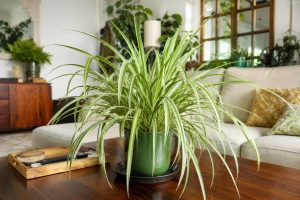
If you’re looking for another easy-care houseplant, spider plants are a great option. They add fresh greenery to your space and are also known for their potential to help keep indoor air cleaner
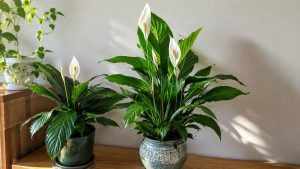
3. Peace Lily
Peace lilies are a good choice if you want attractive foliage and flowers in the same plant.
They prefer indirect light and appreciate consistently moist soil. When they become thirsty, their leaves often droop noticeably, which makes it fairly easy for beginners to recognize when they need water.
Avoid leaving the roots sitting in water.
4. Pothos
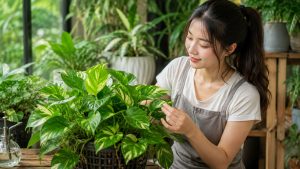
Pothos is one of my favorite houseplants for beginners.
It grows quickly, trails beautifully from shelves, and tolerates less-than-perfect indoor conditions.
If you have a darker corner where other plants struggle, pothos is worth trying. Brighter indirect light will usually produce stronger growth, especially with variegated varieties.
5. Rubber Plant
Rubber plants are ideal when you want something larger and more impressive.
Their large, glossy leaves make them excellent statement plants for living rooms and home offices.
They prefer bright, indirect light. Let the soil partially dry before watering again and avoid constantly moving the plant around.
6. Boston Fern
Boston ferns bring a soft, lush appearance to indoor spaces.
They are especially nice in hanging baskets, but they do require more attention than snake plants or pothos.
The main challenge is moisture. Boston ferns like consistently moist soil and higher humidity. If your home is very dry, the leaves may develop brown edges.
7. Areca Palm
If you want to give your home a tropical feel, an areca palm is a great option.
Its feathery foliage works particularly well in larger living rooms and bright spaces.
Keep the soil evenly moist without making it soggy, and provide plenty of bright, indirect light.
8. Dracaena
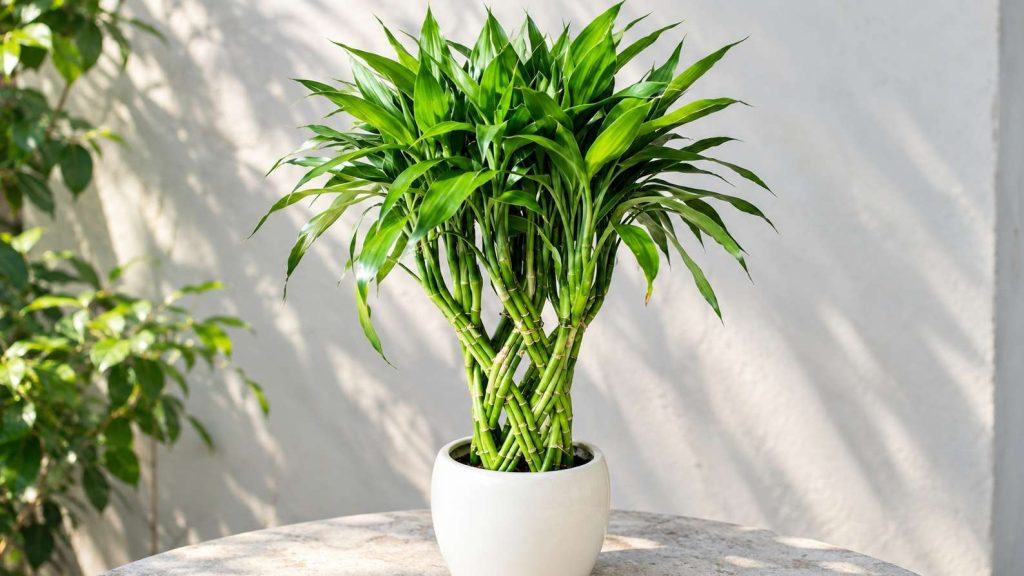
Dracaena plants are popular because they provide height without requiring a huge amount of floor space.
They work well in home offices, living rooms, and corners that need a little greenery.
Give them indirect light and allow the soil to dry somewhat between waterings. Overwatering is one of the easiest ways to cause problems with dracaena.
9. Chinese Evergreen
Chinese evergreen is one of the plants I recommend when someone wants attractive foliage but doesn’t have a very bright room.
It tolerates lower light better than many indoor plants and comes in varieties with different leaf patterns.
Water when the soil begins to dry and use a container with good drainage.
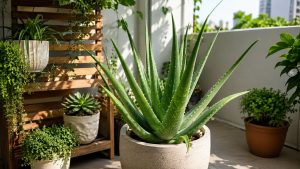
10. Aloe Vera
Aloe vera is perfect for a bright windowsill.
Unlike many tropical houseplants, it doesn’t need frequent watering because its thick leaves store moisture.
Give it plenty of bright light and allow the soil to dry thoroughly between waterings.
If you tend to forget about your plants, aloe vera is a forgiving choice.
11. English Ivy
English ivy is an attractive trailing plant that can make shelves and hanging baskets look much fuller.
It prefers bright, indirect light and good air circulation.
Keep an eye out for pests, especially when the plant is grown indoors in dry conditions. Regularly checking the leaves makes it much easier to catch problems early.
12. Parlor Palm
Parlor palms are compact palms that fit nicely into apartments, bedrooms, and smaller living spaces.
They prefer indirect light and don’t need as much space as larger palm varieties.
Keep the soil moderately moist but avoid keeping it constantly wet.
Which Indoor Plants Are Best for Beginners?
From my experience, you don’t need to buy 12 different plants to create a greener home.
If you’re just starting, I would begin with:
Snake plant – extremely low maintenance.
Pothos – fast-growing and forgiving.
Spider plant – attractive and easy to propagate.
Chinese evergreen – a good choice for lower-light rooms.
Aloe vera – excellent for bright, sunny windows.
These five give you a good mix of foliage, growing habits, and light requirements.
A Quick Tip Before Buying Indoor Plants
Don’t choose a plant simply because it is listed as one of the “best air-purifying plants.”
Look at your room first.
A dark room needs a different plant from a sunny windowsill. A dry home needs different care from a humid room.
The easiest way to keep indoor plants healthy is to match the plant to the conditions you already have.
And remember, houseplants can make your home greener and more pleasant, but they shouldn’t replace good ventilation, regular cleaning, or proper air filtration when those are needed.
Final Thoughts
The best indoor plants for air quality are also plants that you can keep healthy.
Snake plants, pothos, spider plants, peace lilies, rubber plants, and Chinese evergreens are all excellent choices for different indoor conditions.
Start with one or two plants that match your light level and watering habits. Once you get comfortable caring for them, you can gradually add more.
A home doesn’t need to be packed with plants to feel greener. Sometimes, a few healthy plants in the right places make all the difference.