Spider Plant is a popular houseplant known for its graceful arching leaves, easy care, and ability to adapt to indoor environments. Native to tropical and southern Africa, it has become a favorite in homes, offices, and apartments across the United States. Spider Plants grow quickly, produce attractive plantlets, and are easy to propagate, making them ideal for beginners. In this guide, you’ll discover Spider Plant characteristics, meaning, growing tips, and essential care for healthy, beautiful growth.
What Is a Spider Plant?
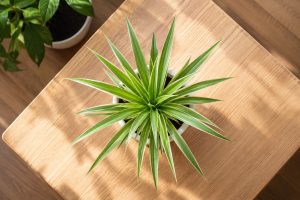
The Spider Plant (Chlorophytum comosum) is a perennial evergreen plant belonging to the asparagus family (Asparagaceae). It naturally grows as a ground-covering plant in warm climates but is most commonly grown indoors as a houseplant.
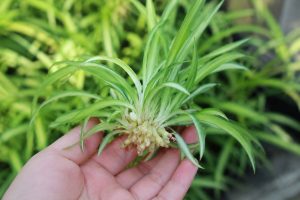
Its long, narrow leaves grow in a fountain-like shape, creating an elegant display. Mature plants produce long stems with tiny white flowers followed by miniature plants called spiderettes or plantlets, which hang from the mother plant like little spiders. This unique feature inspired its common name.
Spider Plants are appreciated because they:
- Grow quickly.
- Adapt to various indoor conditions.
- Are easy to propagate.
- Require minimal maintenance.
- Stay attractive throughout the year.
Their forgiving nature makes them perfect for beginners who are learning how to care for indoor plants.
Spider Plant Characteristics
Spider Plants have several distinctive features that make them easy to recognize.
Leaves
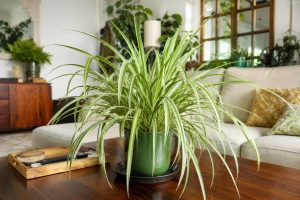
The leaves are long, narrow, and arch gracefully outward from the center of the plant. Depending on the variety, they may be solid green or striped with creamy white or yellow.
Size
A mature Spider Plant typically grows:
- 12–24 inches (30–60 cm) tall
- 18–36 inches (45–90 cm) wide
The cascading foliage makes it especially attractive in hanging baskets.
Flowers
Healthy plants produce tiny white star-shaped flowers during spring and summer. Although small, these flowers are charming and often develop into baby plants.
Roots
Spider Plants have thick, fleshy roots that store water. This allows them to tolerate occasional drought better than many other houseplants.
Growth Rate
With proper light and watering, Spider Plants grow quickly and can become full and lush within one growing season.
Spider Plant Meaning and Symbolism
Beyond its beauty, the Spider Plant carries positive symbolism in many cultures.
Growth and Renewal
Because it constantly produces new plantlets, the Spider Plant symbolizes continuous growth, renewal, and new beginnings.
Prosperity
Many people believe the plant represents abundance and good fortune, making it a thoughtful housewarming gift.
Family and Connection
The baby plants growing from the mother plant symbolize family bonds, nurturing, and lasting relationships.
Resilience
Spider Plants can survive occasional neglect and recover quickly, representing strength, adaptability, and perseverance.
For these reasons, they’re often given as gifts to new homeowners, students, or anyone starting a new chapter in life.
Popular Types of Spider Plants
Several varieties are commonly grown indoors.
Variegatum
Features dark green leaves with creamy white edges. The leaves arch elegantly and create a dramatic appearance.
Vittatum
Perhaps the most recognizable variety, Vittatum has green leaves with a bright white stripe running down the center.
Bonnie Spider Plant
Bonnie has curly, twisted leaves that give the plant a playful and compact appearance. It’s ideal for smaller spaces.
Hawaiian Spider Plant
This variety has broader leaves with subtle cream variegation and a slightly more upright growth habit.
Green Spider Plant
Unlike variegated types, this variety has solid green leaves and often grows slightly faster because it contains more chlorophyll.
How to Grow a Spider Plant
Growing a Spider Plant is simple if you provide the right environment.
Choose a Bright Location
Spider Plants thrive in bright, indirect sunlight. East-facing windows are ideal, while west-facing windows may require a sheer curtain to filter harsh afternoon sun.
Although they tolerate lower light, brighter conditions encourage fuller growth and more baby plants.
Select Well-Draining Soil
Use a loose indoor potting mix that drains well. Adding perlite or pumice improves airflow around the roots and helps prevent root rot.
Pick a Pot with Drainage
Always use a container with drainage holes. Spider Plants dislike standing water, and good drainage is essential for healthy roots.
Water Correctly
Allow the top inch of soil to dry before watering thoroughly. During winter, reduce watering because growth naturally slows.
Maintain Comfortable Temperatures
Spider Plants grow best between 65°F and 80°F (18–27°C). Protect them from frost, cold drafts, and sudden temperature changes.
Propagate from Plantlets
One of the easiest ways to grow new Spider Plants is by propagating spiderettes.
Simply place the baby plant in moist potting soil while it’s still attached to the parent plant, or remove it and root it in water before planting. Within a few weeks, it will develop its own healthy root system.
Spider Plant Care Guide
Although Spider Plants are low-maintenance, consistent care keeps them looking their best.
Watering
Water only when the top layer of soil feels dry. Overwatering is far more harmful than underwatering because the fleshy roots naturally store moisture.
Fertilizing
Feed monthly during spring and summer using a balanced liquid houseplant fertilizer diluted to half strength. Avoid excessive fertilizer, which may cause brown leaf tips.
Humidity
Average indoor humidity is usually sufficient. If your home is especially dry during winter, occasional misting or a humidifier can help.
Pruning
Trim away yellow leaves, damaged foliage, and brown leaf tips with clean scissors. Removing old leaves encourages fresh growth and keeps the plant tidy.
Repotting
Spider Plants prefer being slightly root-bound. Repot every two or three years, moving only one pot size larger than the current container.
Common Problems and Solutions
Even hardy Spider Plants may occasionally experience problems.
Brown Leaf Tips
Often caused by:
- Low humidity
- Fluoride or chlorine in tap water
- Excess fertilizer
- Irregular watering
Using filtered water often minimizes tip browning.
Yellow Leaves
Usually indicate overwatering or poor drainage. Let the soil dry more between waterings and ensure excess water drains freely.
Root Rot
Constantly wet soil can damage the roots. Remove affected roots, replace the old soil, and reduce watering.
Pests
Spider Plants occasionally attract:
- Spider mites
- Aphids
- Mealybugs
- Scale insects
Most infestations can be treated with insecticidal soap or neem oil.
Slow Growth
Insufficient light, nutrient deficiencies, or crowded roots may slow growth. Moving the plant to a brighter location often restores vigorous development.
Benefits of Spider Plants
Spider Plants offer far more than attractive foliage.
Some of their biggest advantages include:
- Easy for beginners to grow.
- Suitable for homes, offices, and apartments.
- Fast-growing with attractive cascading leaves.
- Simple to propagate from baby plants.
- Long lifespan with minimal maintenance.
- Adds greenery and natural beauty to indoor spaces.
- Can contribute to a fresher indoor environment when grown as part of a healthy, well-ventilated home.
These qualities make Spider Plants one of the best choices for anyone building an indoor plant collection.
Frequently Asked Questions
How often should I water a Spider Plant?
Water when the top inch of soil feels dry, usually every 7–10 days during the growing season.
Why are my Spider Plant’s leaf tips turning brown?
Brown tips are commonly caused by minerals in tap water, inconsistent watering, low humidity, or overfertilizing.
Can Spider Plants grow in low light?
Yes, but they grow faster and produce more plantlets in bright, indirect light.
How do I propagate a Spider Plant?
Plant the baby spiderettes directly into moist soil or root them in water before transplanting.
Are Spider Plants fast growers?
Yes. Under proper conditions, they grow quickly and often produce numerous baby plants within a year.
When should I repot my Spider Plant?
Repot every two to three years or when roots begin growing through the drainage holes.
Conclusion
Spider Plants have earned their reputation as one of the easiest and most rewarding houseplants to grow. Their graceful foliage, symbolic meaning, and effortless propagation make them a wonderful addition to almost any indoor space. By providing bright indirect light, well-draining soil, moderate watering, and occasional feeding, you can enjoy a healthy Spider Plant that continues to produce lush leaves and charming baby plants for many years. Whether you’re a first-time plant owner or an experienced indoor gardener, this resilient plant is sure to bring lasting beauty and greenery to your home.