
Learning how to grow strawberries at home is easier than you might think. With plenty of sunlight, well-drained soil, regular watering, and proper care, you can grow healthy strawberry plants and enjoy fresh, sweet strawberries from your own garden.
Whether you are planting strawberries in a garden bed, raised bed, container, or small balcony garden, these simple tips will help you get started. In this guide, you’ll learn how to grow strawberries successfully and discover 10 easy tips for growing stronger plants and getting a better harvest.
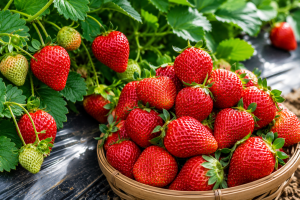
1. Choose the Right Strawberry Variety
The first step in learning how to grow strawberries is choosing the right type for your garden. There are three main types of strawberries: June-bearing, ever-bearing, and day-neutral varieties.
June-Bearing Strawberries
June-bearing strawberries produce one large crop, usually in late spring or early summer. They are a great choice if you want to harvest a large amount of strawberries at one time.
Ever-Bearing Strawberries
Ever-bearing strawberries can produce several crops throughout the growing season. They are a good option for gardeners who want fresh strawberries over a longer period.
Day-Neutral Strawberries
Day-neutral strawberries can produce fruit during much of the growing season when temperatures are suitable. They are often a good choice for smaller gardens and containers.
For beginners, choose a variety that is well suited to your local climate and growing space.
2. Pick a Sunny Location
Strawberries grow best in a location that receives plenty of sunlight.
Choose a spot that gets at least 6–8 hours of direct sunlight per day. Good sunlight helps strawberry plants grow strong and supports flower and fruit production.
Avoid planting strawberries in areas where they are shaded by large trees or buildings for most of the day.
If you are growing strawberries in containers, place the containers somewhere sunny, such as a patio, balcony, or sunny garden area.
3. Prepare Well-Drained Soil
Strawberries prefer fertile soil that drains well.
Before planting, loosen the soil and remove weeds, large stones, and old plant debris. Adding compost or well-aged organic matter can help improve soil structure and fertility.
Strawberries generally prefer slightly acidic soil, with a pH around 5.5 to 6.5.
Good drainage is especially important because strawberry roots can suffer when the soil stays wet for too long.
If your garden soil is heavy or poorly drained, consider growing strawberries in raised beds or containers.
4. Plant Strawberries at the Right Depth
When planting strawberry plants, pay close attention to the crown.
The crown is the short, thick part of the plant between the roots and leaves. It should be planted at approximately soil level.
If the crown is buried too deeply, the plant may struggle to grow. If it is planted too high, the roots may dry out.
Spread the roots gently in the planting hole and cover them with soil while keeping the crown exposed.
After planting, water thoroughly to help the roots settle into the soil.
5. Give Plants Enough Space
Strawberry plants need enough room for air circulation and healthy growth.
A common spacing is around 12–18 inches apart, depending on the variety and growing method.
Good spacing helps reduce overcrowding and allows sunlight and air to reach the leaves.
If you are growing strawberries in rows, leave enough space between rows to make watering, harvesting, and maintenance easier.
For containers, avoid overcrowding too many plants in a small pot.
6. Water Strawberries Regularly
Strawberries have relatively shallow roots, so they need consistent moisture.
Water plants regularly, especially during hot and dry weather. The soil should remain evenly moist but not waterlogged.
Try to water near the base of the plant rather than frequently wetting the leaves and fruit. A drip irrigation system or soaker hose can be helpful for larger strawberry beds.
During fruit production, consistent watering is especially important. However, avoid overwatering because constantly wet soil can encourage root problems.
7. Add Mulch Around the Plants
Mulching is one of the best ways to care for strawberry plants.
A layer of straw, pine needles, or another suitable organic mulch can help:
- Keep soil moisture more consistent
- Reduce weed growth
- Protect roots from temperature changes
- Keep strawberries cleaner
- Reduce direct contact between fruit and soil
Place mulch around the plants without completely covering the crown.
When strawberries begin producing fruit, mulch can help keep the berries from sitting directly on wet soil.
8. Feed Strawberry Plants Carefully
Strawberries need nutrients for healthy leaves, flowers, and fruit.
Adding compost before planting can provide organic matter and nutrients. You can also use a fertilizer suitable for strawberries according to the product label.
Avoid applying excessive nitrogen. Too much nitrogen can encourage lots of leafy growth while reducing fruit production.
The best fertilizing schedule depends on the strawberry variety and your local growing conditions. Always follow the recommendations for the specific variety you are growing.
9. Protect Plants From Pests and Diseases
Strawberries can attract various garden pests, including slugs, insects, and birds.
Check your plants regularly for:
- Holes in leaves
- Discolored leaves
- Damaged fruit
- Small insects
- Mold or unusual spots
Remove damaged or diseased leaves when appropriate and keep the growing area clean.
Good airflow, proper watering, adequate spacing, and regular monitoring can help reduce many common problems.
Birds may also be attracted to ripe strawberries. If birds are eating your fruit, consider using appropriate garden netting to protect the crop.
10. Harvest Strawberries at the Right Time
One of the most exciting parts of growing strawberries is harvesting ripe fruit.
Pick strawberries when they are fully red and appear ripe. Strawberries generally do not continue to ripen well after being picked, so harvesting at the right stage is important for the best flavor.
Harvest berries carefully by pinching or cutting the stem just above the fruit.
Try to pick ripe strawberries regularly. Frequent harvesting can encourage continued production, depending on the variety.
For the best flavor, harvest strawberries when the weather is cool, such as in the morning.
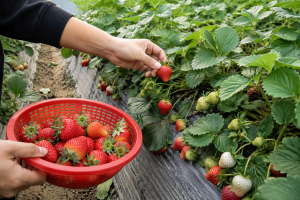
10 Tips for Growing Strawberries Successfully
Here are 10 quick tips to help you grow healthier strawberry plants and enjoy a better harvest.
Tip 1: Choose a Sunny Spot
Give strawberries at least 6–8 hours of sunlight each day whenever possible.
Tip 2: Use Well-Drained Soil
Avoid areas where water collects after rain. Strawberries prefer soil that drains well.
Tip 3: Plant the Crown Correctly
Keep the crown at soil level. Do not bury it too deeply.
Tip 4: Water Consistently
Keep the soil evenly moist, especially during flowering and fruit production.
Tip 5: Use Mulch
Straw or another suitable mulch can help conserve moisture, suppress weeds, and keep fruit cleaner.
Tip 6: Avoid Overcrowding
Give plants enough space for good airflow and easier maintenance.
Tip 7: Watch for Pests
Inspect leaves and fruit regularly so you can notice problems early.
Tip 8: Feed Plants Properly
Use compost or a suitable strawberry fertilizer and avoid excessive nitrogen.
Tip 9: Protect Ripe Fruit
Use appropriate protection if birds or other garden pests are eating your strawberries.
Tip 10: Harvest When Fully Ripe
Pick strawberries when they are fully red for the best flavor and freshness.
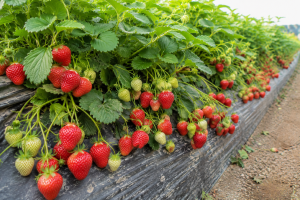
Can You Grow Strawberries in Containers?
Yes. Strawberries are excellent plants for container gardening.
Choose a container with good drainage holes and use a high-quality potting mix. A container that is at least 8–12 inches deep can work well for many strawberry plants, although the ideal size depends on the variety.
Strawberry pots and hanging baskets can also be useful because they provide good drainage and make harvesting easier.
Place the container in a sunny location and check the soil regularly. Containers usually dry out faster than garden soil, especially during hot weather.
How Long Does It Take to Grow Strawberries?
The time required to harvest strawberries depends on the variety, planting method, and growing conditions.
Bare-root plants may need some time to establish before producing a good harvest. Nursery plants that are already established may produce fruit sooner.
New strawberry plants often produce a better harvest after they become well established.
For many varieties, you can expect fruit during the growing season after the plants have had enough time to develop flowers and berries.
How Often Should You Water Strawberry Plants?
Strawberries need consistent moisture, but they do not like waterlogged soil.
Check the soil regularly and water when the top layer begins to dry. During hot or dry weather, plants may need more frequent watering.
The exact watering schedule depends on your climate, soil type, rainfall, and whether you grow strawberries in the ground or in containers.
Container-grown strawberries generally need more frequent attention because their soil can dry out faster.
Why Are My Strawberries Small?
Small strawberries can be caused by several factors.
Common reasons include:
- Not enough sunlight
- Poor soil fertility
- Lack of consistent moisture
- Overcrowded plants
- Extreme temperatures
- Poor pollination
- Variety characteristics
Make sure your plants receive enough sunlight, water, and nutrients. Good pollination is also important for developing well-shaped fruit.
Why Are My Strawberry Leaves Turning Brown?
Brown strawberry leaves can have several causes, including water stress, heat, disease, or other environmental problems.
Check the plant carefully and look for additional symptoms such as spots, wilting, or damaged roots.
Make sure the plants are receiving appropriate moisture and have good airflow. Avoid keeping the soil constantly wet.
If you notice widespread leaf damage, identify the specific problem before applying any treatment.
Final Thoughts
Growing strawberries at home can be a fun and rewarding gardening project. With a sunny location, fertile and well-drained soil, regular watering, and proper spacing, even beginners can grow healthy strawberry plants.
The most important things to remember are to give strawberries plenty of sunlight, keep the soil consistently moist, protect the fruit with mulch, and harvest berries when they are fully ripe.
By following these 10 simple tips, you can give your strawberry plants a strong start and enjoy fresh, flavorful berries from your own garden.