A strawberry is a rewarding fruit to grow, even in a small garden. From years of farming experience, we’ve learned that healthy plants need good sunlight, loose soil, steady moisture, and proper airflow. Simple daily care often works better than complicated methods.

In this guide, we share practical farmer-tested tips for growing, caring for, harvesting, and enjoying fresh strawberry from the garden.
What Is a Strawberry?
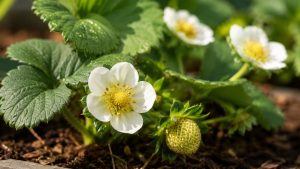
A strawberry is a low-growing fruit plant that can be grown in garden beds, raised beds, containers, and other small spaces. The plant forms a central crown with shallow roots and green leaves growing above the soil.
One interesting thing about strawberry is that the plant can produce runners. These long stems grow away from the mother plant and can develop new plants when they come into contact with suitable soil.
For home gardeners, this makes strawberry useful for gradually expanding a planting area without buying new plants every year.
However, I have found that allowing too many runners to grow can make a planting bed crowded. If the main goal is fruit production, it is usually better to remove some runners and give the established plant more room.
What Does a Strawberry Taste Like?
A ripe strawberry should taste sweet, juicy, fragrant, and slightly tart.
The exact flavor depends on the variety and growing conditions. Sunlight, temperature, watering, soil quality, and harvest timing can all influence the final taste.
A strawberry picked fully ripe from the plant can have a much stronger aroma than fruit picked too early for transportation.
When I grow strawberry for fresh eating, I look for fruit that has developed a deep, even red color and a pleasant sweet smell. The fruit should look plump and healthy without soft, damaged, or moldy areas.
If a strawberry still has a large pale or white section, I usually give it more time to ripen.

Choosing the Right Strawberry Variety
Choosing a suitable variety is one of the first decisions to make when growing strawberry.
Different types have different production patterns. Some produce most of their fruit during one main period, while others can produce fruit over a longer growing season.
For a home garden, I recommend choosing a variety that performs well in your local climate rather than simply choosing the variety with the biggest advertised fruit.
A strawberry variety that grows well in one region may not perform the same way in another.
When buying plants, look for strong, healthy plants with good green leaves and a firm crown. Avoid plants that already show signs of disease, severe leaf damage, or weak growth.
Starting with healthy planting material saves a lot of trouble later.
How to Grow Strawberry at Home
Choose a Sunny Location
Sunlight is one of the first things I consider when planting strawberry.
Choose a location that receives plenty of direct sunlight during the day. Good sunlight helps the plant produce strong growth and supports flower and fruit development.
A sunny location should also have good air movement. Avoid planting strawberry in a dark, enclosed corner where leaves remain wet for long periods.
If growing in a container, place it where the plant can receive good sunlight and where watering is convenient.
Prepare Loose, Well-Drained Soil
Strawberry has a relatively shallow root system, so the condition of the soil matters.
I prefer loose soil that holds some moisture but does not stay waterlogged. Poor drainage can cause problems around the roots and crown.
Before planting, loosen compacted soil and remove weeds and old plant debris.
Adding suitable organic matter can improve soil structure when the existing soil is poor. However, avoid creating a heavy, constantly wet growing medium.
A simple soil test can also help determine whether the planting area needs additional nutrients.
Plant the Strawberry at the Correct Depth
One small planting mistake can cause problems later.
The crown of a strawberry plant should sit around the soil surface. Do not bury the crown deeply under soil.
At the same time, make sure the roots are covered and not exposed to the air.
When planting, spread the roots naturally inside the hole and gently firm the soil around them. Water thoroughly after planting so the soil settles around the roots.

How to Water Strawberry
Watering is one of the most important parts of strawberry care.
The roots are relatively shallow, so the plant can become stressed when the soil dries out. On the other hand, constantly wet soil can cause root and crown problems.
I usually check the soil before watering rather than following a rigid schedule.
During hot or dry weather, the plant may need more frequent watering. During cool or rainy periods, less additional water may be necessary.
The goal is to keep the root zone consistently moist without leaving it saturated.
Water near the base of the plant rather than constantly wetting the leaves and fruit. Drip irrigation or a gentle watering system is especially useful because it puts moisture close to the roots.
How to Fertilize Strawberry
A strawberry plant needs nutrients for healthy roots, leaves, flowers, and fruit.
However, adding too much fertilizer can create excessive leafy growth without giving you the fruit production you want.
I recommend starting with healthy soil rather than immediately using large amounts of fertilizer.
If possible, test the soil before applying fertilizer. This gives you a better idea of what nutrients are actually needed.
When using a commercial fertilizer, follow the product label and avoid applying more than recommended.
Young plants should first be allowed to establish a strong root system. Once the plant is healthy and actively growing, proper nutrition can support flowering and fruit development.
Mulch Can Make Strawberry Care Easier
One of the most useful tricks I have found when growing strawberry is using mulch.
A suitable layer of clean straw or another garden mulch can help:
- Keep weeds down
- Reduce soil moisture loss
- Keep fruit away from wet soil
- Reduce splashing during watering
- Keep the fruit cleaner
Keeping the fruit off wet soil is especially helpful.
When a ripe strawberry sits directly on damp ground, it can become dirty and may spoil more quickly. A layer of mulch creates a cleaner surface underneath the developing fruit.
Do not pile mulch directly against the crown. Leave the crown area reasonably clear so it can remain dry and healthy.
How to Manage Strawberry Runners
A healthy strawberry plant often produces runners.
At first, I used to leave many of them because having more plants seemed like a good thing. Eventually, I learned that too many runners can make the planting area crowded.
If you want to produce new plants, allow selected runners to develop roots.
If your priority is fruit production, remove unwanted runners regularly.
This allows the established plant to put more of its energy into its own growth and fruit production rather than producing too many new plants.
The important thing is not to remove every runner automatically. Decide whether you want more plants or more production from the plants you already have.
Simple Tips for Strong Strawberry Growth
Growing strawberry successfully is mostly about getting the basics right.
Here are some practical habits I recommend:
- Give the plant plenty of sunlight.
- Use loose, well-drained soil.
- Keep soil moisture relatively consistent.
- Avoid standing water around the roots.
- Keep weeds under control.
- Use mulch to protect developing fruit.
- Remove rotten fruit as soon as you notice it.
- Avoid overcrowding the planting area.
- Remove unwanted runners.
- Check the plant regularly during the fruiting season.
I like to inspect the planting area every few days.
It does not take long. A quick inspection can reveal dry soil, damaged leaves, insects, rotten fruit, or excessive runners before the problem becomes more difficult to manage.

When to Harvest Strawberry
Harvest timing has a major effect on flavor.
A strawberry should be allowed to develop its full color before picking if you want the best fresh-eating quality.
Look for fruit that is completely or almost completely red, depending on the variety. The berry should also have a pleasant fragrance and look plump.
I prefer to harvest during the cooler part of the morning once the foliage and fruit are dry.
Handle the fruit carefully because a ripe strawberry bruises easily.
If you are not eating the fruit immediately, leave the green cap attached until you are ready to prepare it.
Regular harvesting is also important during the main fruiting period. Leaving overripe or damaged fruit on the plant can attract pests and encourage rot.
How to Store Fresh Strawberry
Fresh strawberry is delicate, so I try to eat it soon after harvesting.
Avoid washing the fruit until you are ready to eat it. Extra moisture can encourage spoilage during storage.
Place fresh fruit in the refrigerator and remove any damaged pieces before storing the rest.
When you are ready to eat the fruit, wash it gently under cool running water and then remove the green top.
For the best flavor, I prefer eating fresh strawberry within a few days rather than keeping it in the refrigerator for too long.
Easy Ways to Eat Fresh Strawberry
A fresh strawberry does not need complicated preparation.
Simply wash the fruit, remove the green top, and eat it as it is.
Because a ripe strawberry is naturally sweet and fragrant, it can also be used in many everyday foods.
Try adding fresh strawberry to:
- Yogurt
- Oatmeal
- Breakfast cereal
- Smoothies
- Fruit salads
- Pancakes
- Homemade desserts
- Toast
- Fresh fruit bowls
One of my favorite ways to enjoy strawberry is simply to eat it fresh after picking. When the fruit has been allowed to ripen naturally, there is often no need to add much sugar or other ingredients.
Tips From Experience Growing Strawberry
If I could give a beginner only a few pieces of advice, I would keep them simple.
First, start with healthy plants. A weak plant is difficult to turn into a productive one.
Second, do not ignore the soil. Strawberry may look small, but its roots still need a healthy growing environment.
Third, pay attention to watering. Do not let the soil become extremely dry and then suddenly soak it.
Fourth, give the plants enough space. Crowding may look harmless at first, but it can reduce airflow and make maintenance harder.
Finally, check the plants regularly.
You do not need to spend hours in the garden every day. A few minutes spent checking the soil, removing damaged fruit, controlling runners, and looking at the leaves can make a surprisingly big difference.
Final Thoughts
Growing strawberry is rewarding when you keep care simple and consistent. Give the plant sunlight, well-drained soil, steady moisture, and enough space. From a farmer’s experience, regular watering, weed control, and proper harvest timing make a real difference. When a ripe strawberry comes straight from the garden to the kitchen, its sweet flavor and fresh aroma make all the work worthwhile.
FAQ About Strawberry
How long does strawberry take to produce fruit?
Usually a few months, depending on the variety, climate, and plant age.
How much sunlight does strawberry need?
At least 6 hours of direct sunlight daily is ideal for healthy growth and fruit production.
How often should I water strawberry?
Water when the soil begins to dry. Keep it moist but never waterlogged.
Why does strawberry flower but not produce fruit?
Poor pollination, weather, plant stress, or excess nitrogen can prevent fruit development.
Can strawberry grow in a container?
Yes. Use a container with drainage holes, good soil, and plenty of sunlight.
How do I know when strawberry is ripe?
A ripe strawberry is fully red, fragrant, plump, and slightly soft.
Can I grow strawberry from a runner?
Yes. A healthy runner can develop roots and become a new strawberry plant.