Getting a strawberry plant to produce more fruit is not just about adding fertilizer. From my experience growing strawberries, the biggest difference comes from giving the plants enough sunlight, keeping moisture consistent, removing unnecessary runners, and paying attention to the soil. When the plants are healthy and not competing for resources, they have a much better chance of producing a strong crop of flavorful berries.
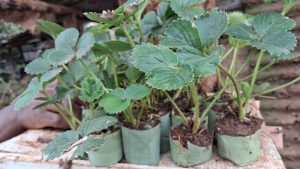
If you are starting with strawberries for the first time, this complete guide to strawberry can also help you understand the plant and its basic growing requirements.
Give Strawberry Plants Plenty of Sunlight
Sunlight is one of the most important factors affecting strawberry production. Strawberry plants generally perform best when they receive plenty of direct sunlight during the growing season.
Choose a location that gets at least 6 hours of direct sunlight each day. More sunlight can help the plants produce stronger leaves, flowers, and fruit when other growing conditions are suitable.
I have noticed that plants growing in a bright, open area usually flower more consistently than plants tucked beneath trees or beside tall crops.
Avoid planting strawberries where large plants will shade them for much of the day. Even if the plants survive, limited sunlight can reduce flowering and fruit production.
Improve the Soil Before Planting
Healthy roots are the foundation of productive strawberry plants.
Before planting, loosen the soil and remove large stones, weeds, and old roots. Strawberry plants prefer soil that drains well because their roots should not remain saturated for long periods.
Adding mature compost can improve soil structure and provide organic matter. Mix it into the planting area rather than placing a thick layer directly around the crown of each plant.
If your soil is heavy and holds water, improving drainage should be a priority. Raised beds can be especially useful in areas where water tends to collect after rain.
Give Each Plant Enough Space
Crowded strawberry plants often compete for light, water, and nutrients.
When planting, leave enough space between plants for leaves to spread without constantly overlapping. Good spacing also improves airflow around the foliage.
This matters because dense growth creates a humid environment where fungal problems can become more likely.
A little extra space may look inefficient at planting time, but healthy plants with good airflow are much easier to manage later in the season.
Water Consistently
Strawberries have relatively shallow roots, so they can be affected quickly when the soil becomes too dry.
The goal is to keep the soil evenly moist without leaving it constantly wet.
During hot or dry weather, check the soil regularly. If the surface is becoming dry, water deeply enough to reach the root zone.
Morning is usually a convenient time to water. It gives excess moisture on the foliage a chance to dry during the day.
Whenever possible, water at the base of the plants instead of frequently wetting the leaves. Drip irrigation or a soaker hose can make this easier, especially when growing a larger patch.
Feed the Plants at the Right Time
Fertilizer can help strawberry plants, but more fertilizer does not automatically mean more berries.
Too much nitrogen can encourage vigorous leaf growth while reducing the balance between vegetative growth and fruit production.
I prefer to start with healthy soil and use a fertilizer appropriate for fruiting plants when the plants need additional nutrients. Always follow the product label rather than applying fertilizer at random.
Compost and other organic matter can also support soil health over time.
If the plants are producing lots of leaves but relatively few flowers, avoid assuming that they simply need more nitrogen. Excess nitrogen may actually make the problem worse.
Remove Unwanted Runners
Strawberry plants often produce runners, which are long stems that develop new plantlets.
Runners are useful when you want to create new strawberry plants. However, if your main goal is producing a larger harvest from established plants, allowing too many runners to develop can divide the plant’s resources.
During the growing season, inspect the plants regularly and remove runners that are not needed for propagation.
I used to leave most runners because they looked like free new plants. Eventually, I realized that maintaining a productive fruiting bed requires a different approach.
If you want to propagate strawberries, keep only the strongest runners and guide them where you want new plants to establish.
Mulch Around the Plants
Mulching is one of the simplest ways to make strawberry plants easier to manage.
A layer of clean straw or another suitable organic mulch can help reduce evaporation, suppress weeds, and keep developing berries from sitting directly on damp soil.
Mulch also helps keep fruit cleaner, especially after heavy rain.
Avoid piling mulch directly against the crown. The crown is the central growing point of the plant, and keeping it exposed helps reduce the risk of moisture-related problems.
Check the mulch throughout the season and add more when it becomes thin or breaks down.
Protect Flowers From Problems
Flowers are the beginning of your strawberry harvest, so protecting them is important.
Watch the plants regularly once flowering begins. Look for insects feeding on leaves or flowers, damaged foliage, and other signs that something is interfering with plant growth.
Good garden hygiene also helps. Remove severely damaged or diseased plant material and keep weeds under control.
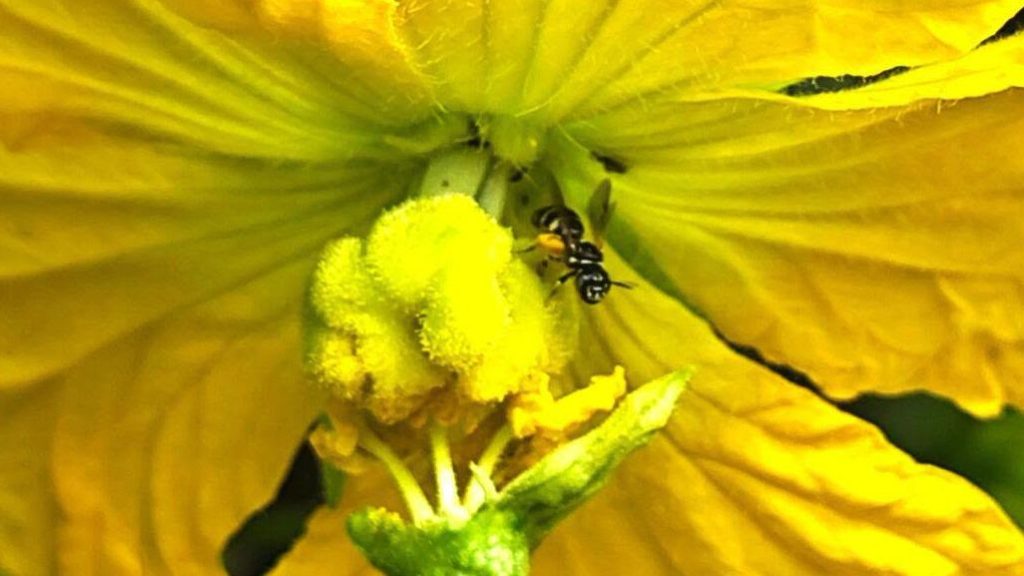
Encouraging a healthy garden environment can also support pollinating insects. Avoid unnecessary disturbance around flowering plants and choose pest-management methods carefully.
If flowers appear healthy but fruit development is poor, consider whether the plants are receiving enough sunlight and whether pollination conditions have been favorable.
Harvest Fruit at the Right Time
Harvesting correctly can encourage you to keep the plants productive throughout the season.
Strawberries do not continue ripening in the same way as some fruits after being picked. For the best flavor, I prefer harvesting berries when they have developed their characteristic ripe color and look fully mature.
Pick fruit regularly rather than allowing ripe berries to remain on the plants for too long.
During periods of warm weather, check the plants frequently because berries can change from nearly ripe to fully ripe surprisingly quickly.
Handle the fruit gently during harvest. Damaged berries spoil more quickly and can create additional problems in the growing area.
Keep the Strawberry Bed Clean
A productive strawberry patch needs regular maintenance.
Remove yellowing or heavily damaged leaves when appropriate, pull weeds before they become established, and clear away old fruit that has fallen onto the soil.
At the end of the season, tidy the bed according to the type of strawberry you are growing and your local growing conditions.
The goal is not to constantly prune the plants. Instead, focus on removing material that is clearly damaged, diseased, or interfering with healthy growth.
Choose the Right Strawberry Type
Not every strawberry plant produces fruit in exactly the same way.
Some varieties produce one main crop, while others can produce fruit over a longer period. Your choice should match your climate, available space, and harvesting goals.
When selecting plants, look for varieties known to perform well in your growing region.
Starting with healthy plants is also important. A weak plant may struggle regardless of how carefully you manage it.
My Simple Routine for Bigger Strawberry Harvests
If I wanted to improve production without making the garden unnecessarily complicated, I would focus on a few basics:
- Give the plants plenty of sunlight.
- Improve the soil with mature organic matter.
- Maintain consistent soil moisture.
- Keep weeds under control.
- Remove unnecessary runners.
- Mulch around the plants.
- Monitor flowers and developing fruit.
- Harvest ripe berries regularly.
- Remove damaged or diseased plant material.
- Avoid excessive fertilizer.
The important thing is consistency. Strawberry plants do not need complicated treatment every day. They need the right conditions maintained throughout the growing season.
Final Thoughts
Producing more and bigger strawberries starts with healthy plants rather than a single fertilizer or gardening trick. Good sunlight, fertile and well-drained soil, consistent moisture, appropriate spacing, and regular maintenance all work together.
One of the biggest lessons I have learned is that productive strawberry growing is often about avoiding unnecessary stress. When plants have enough resources and are not competing with weeds or excessive runners, they can put more energy into flowering and fruit development.
Pay attention to your plants throughout the season, make small adjustments when necessary, and keep notes from year to year. Over time, those observations can be more valuable than any single gardening trick.