Growing a fig tree can be a rewarding project for home gardeners. Figs are attractive, relatively adaptable trees that can produce sweet fruit once they become established. With a sunny location, suitable soil, consistent watering, and regular pruning, a fig tree can become a productive part of a backyard garden or patio landscape.
Whether you are planting a young tree in the ground or growing one in a container, understanding its basic needs will help you establish strong growth and maintain a manageable shape.
Choosing the Right Location
The first step is selecting a suitable planting site. fig tree generally perform best in a location that receives plenty of direct sunlight during the growing season
A sunny position helps support vigorous leaf growth and fruit development. Choose a site that is also protected from strong winds when possible, particularly if the tree is young.
Think about the mature size of the tree before planting. Give it enough room for the canopy to spread without constantly touching buildings, fences, or other plants.
For smaller gardens, container growing can provide better control over the plant’s size and location.
Planting a Fig Tree
The best planting approach depends on your local climate and whether you are planting in the ground or a container.
Choose a healthy young tree with a strong central structure and no obvious signs of damage or disease.
Dig a planting hole wide enough to accommodate the root system without forcing or bending the roots. Position the tree at approximately the same depth at which it was previously growing.
Backfill the hole with the original soil and gently firm it around the roots. Water thoroughly after planting to help settle the soil around the root system.
Avoid placing a thick layer of mulch directly against the trunk. Leave a small gap around the base to keep the trunk dry and improve airflow.
Soil Requirements
Figs are adaptable, but they generally perform well in fertile, well-drained soil.
Poor drainage can create difficult conditions for the roots, particularly when the soil remains wet for extended periods. If your garden has heavy or compacted soil, improving drainage before planting can be beneficial.
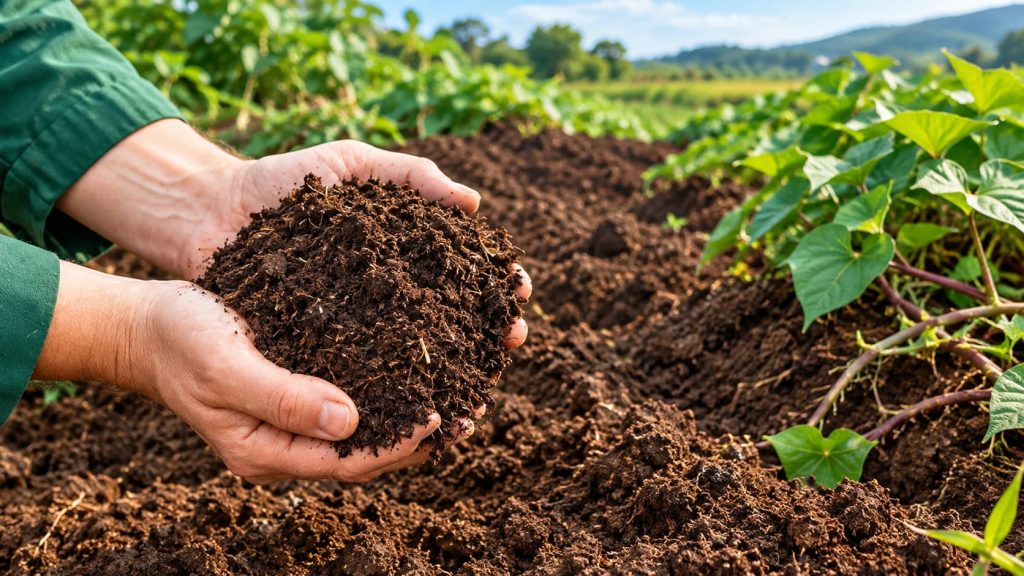
Adding organic matter can improve soil structure and help support healthy root development.
A soil test can also provide useful information about pH and available nutrients, especially if the tree is growing poorly.
Watering a Fig Tree
Young trees need regular moisture while their root systems are becoming established.
Water deeply rather than giving the tree a small amount of water every day. Allow the soil to begin drying between watering sessions instead of keeping it constantly saturated.
Established trees are generally more tolerant of short dry periods, but prolonged drought can affect growth and fruit development.
Pay particular attention during hot, dry weather. Container-grown trees usually need more frequent watering than trees planted directly in the ground because their available soil volume is limited.
Always consider rainfall, soil type, temperature, and the tree’s growth stage when deciding how often to water.
Feeding and Fertilizing
A healthy fig tree does not necessarily require heavy fertilization.
If the tree is growing well and producing healthy foliage, excessive fertilizer may encourage vigorous leafy growth at the expense of fruit production.
When fertilizer is needed, choose a product appropriate for fruit trees and follow the application instructions on the label.
Compost or other well-decomposed organic matter can also be incorporated into the soil to improve its overall condition.
Avoid repeatedly applying fertilizer without understanding what the soil actually needs.
Pruning for Shape and Health
Pruning helps keep a fig tree manageable and encourages a useful branch structure.
Start by removing dead, damaged, or crossing branches. You can then focus on branches that are growing into the center of the canopy or creating excessive congestion.
Young trees benefit from early training because you can establish the basic structure before the branches become large.
For an ornamental garden, a fig can be trained as a small tree with a clear trunk or maintained as a multi-stemmed shrub.
Avoid removing too much growth at once. Gradual pruning usually makes it easier to maintain a natural appearance and avoid excessive regrowth.
Growing Figs in Containers
Container growing is a practical option when garden space is limited.
Choose a large container with drainage holes and use a quality growing medium that drains well. The container should provide enough room for the roots while remaining manageable enough to move when necessary.
Container-grown trees may need more frequent watering than those planted in the ground. Check the growing medium regularly, particularly during hot weather.
Over time, roots may become crowded. Depending on the tree’s size and condition, repotting or replacing some of the growing medium can help maintain healthy growth.
Pruning is especially useful for containers because it helps keep the canopy proportional to the available root space.
Supporting Young Trees
A newly planted tree may benefit from temporary support if it is exposed to strong winds or has a weak trunk.
Use a stake or support that allows some natural movement rather than holding the trunk rigidly in place.
Check the support regularly so that ties do not become too tight as the trunk grows.
Once the tree has developed a stronger root system and trunk, permanent staking is usually unnecessary unless local conditions require it.
Protecting the Tree From Pests and Diseases
Regular inspection is one of the simplest ways to catch problems early.
Look beneath leaves and around young shoots for unusual discoloration, damaged foliage, insects, or other signs of stress.
Good airflow through the canopy can help reduce excessively humid conditions. Remove dead plant material around the tree and avoid unnecessary overhead watering when possible.
If you notice a persistent pest or disease problem, identify the specific issue before choosing a treatment. Different problems require different approaches.
Encouraging Fruit Production
Good growing conditions are the foundation for a productive fig tree.
Provide sufficient sunlight, maintain appropriate moisture, and avoid excessive nitrogen fertilizer. Pruning should focus on maintaining a healthy structure rather than removing large amounts of productive growth.
Fruit development can also vary by variety and climate. Some fig trees may produce fruit on one type of growth while others have different fruiting patterns.
If fruit production is your main goal, select a variety suited to your local growing conditions and learn its particular fruiting habits before making major pruning decisions.
Common Growing Mistakes
Several common mistakes can make fig trees harder to manage.
Planting in a poorly drained location can stress the roots. Watering too frequently can create similar problems, while allowing a young tree to become severely drought-stressed can slow establishment.
Another mistake is excessive pruning. Removing large amounts of healthy growth can disrupt the tree’s natural balance.
Overfertilizing is also unnecessary when the tree is already growing vigorously.
Finally, remember to consider mature size when planting. A tree that fits perfectly into a small garden as a young plant can eventually require significant space.
Final Thoughts
Growing a fig tree does not have to be complicated. Start with a sunny location, well-drained soil, and a healthy young plant. Give it consistent moisture while it establishes, monitor its growth, and prune gradually to maintain a strong and attractive structure.
With proper care, a fig tree can provide both ornamental value and a seasonal harvest. Whether planted in a backyard or maintained in a container, understanding its basic needs is the key to keeping the tree healthy and productive for years to come.