Figs are one of my favorite fruit trees because they can serve two purposes in the garden. With their broad leaves and attractive shape, they make a nice ornamental tree while also producing delicious fruit.
From my experience, figs are not difficult to grow when they get plenty of sunlight, good drainage, and regular care.
They can even grow in large containers. In many Eastern cultures, figs also symbolize abundance and prosperity, adding a meaningful touch to a home garden.
What Is a Fig?
A fig is the edible fruit of the fig tree, scientifically known as Ficus carica. The tree is deciduous in many climates and is known for its large, lobed leaves and spreading growth habit.
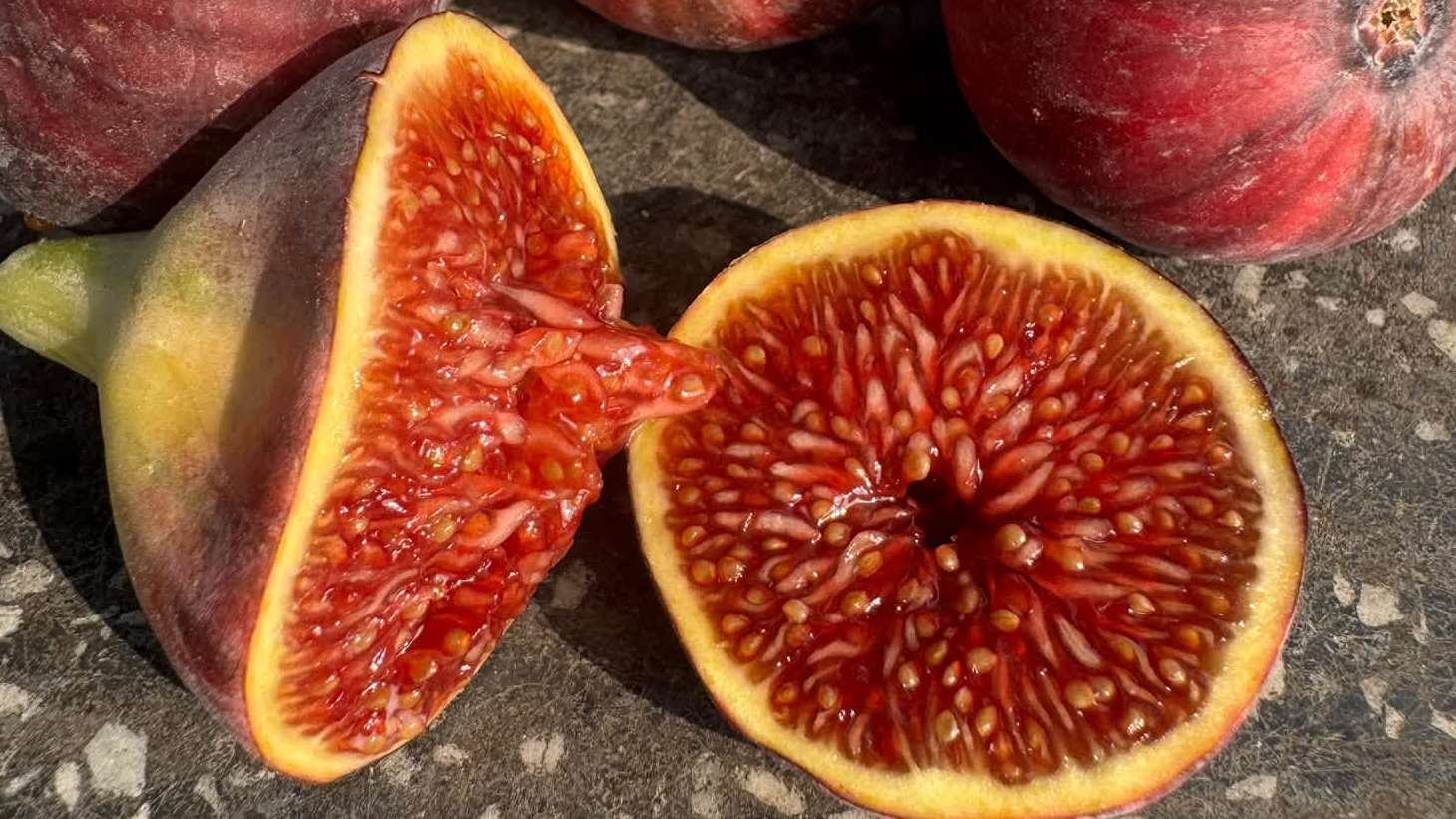
One thing beginners often find surprising is that what we call a fig fruit is botanically quite unusual. The soft interior contains many tiny structures that give a ripe fig its characteristic texture and small edible seeds.
Figs come in different colors depending on the variety. The skin may be green, yellow-green, purple, brown, or nearly black when ripe. The inside can range from pale pink to deep red.
From a gardener’s perspective, choosing the right variety for the local climate is one of the most important decisions. Some figs perform better in warm areas, while others are more tolerant of cooler conditions.
Why Grow a Fig Tree?
I like fig trees because they combine several useful characteristics in one plant.
First, they can produce fruit without requiring the same amount of space as many large orchard trees. With pruning, a fig tree can be kept at a manageable size.
Second, the foliage gives the tree ornamental value. The large leaves create a distinctive appearance, especially when the tree is planted near a house, garden path, or patio.
Third, figs can be harvested and eaten in several ways. Fresh figs are soft and sweet, while dried figs become much denser and sweeter.
There is also a cultural reason some people choose to grow figs.
In parts of Eastern culture, the fig is associated with ideas such as abundance, prosperity, fertility, and a household filled with good things. Because of this symbolism, some people like to plant a fig tree around their home as both a decorative plant and a meaningful garden feature.
Of course, cultural meanings vary between families and regions, but this tradition adds another interesting dimension to an otherwise practical fruit tree.
How to Eat Fresh Figs
Fresh figs are one of the easiest fruits to prepare.
When the fruit is ripe, simply wash it gently and remove any damaged portion. The skin is generally edible, so there is no need to peel a fresh fig.
You can eat the whole fruit as it is, or cut it into halves or quarters.
Some simple ways to enjoy fresh figs include:
- Slicing them over oatmeal or cereal
- Adding them to a fruit salad
- Serving them with cheese
- Mixing them into yogurt
- Adding sliced figs to toast
- Using them in salads
- Eating them fresh straight from the garden
In Vietnamese cooking, young fig fruits are also used differently from fully ripe dessert figs. Young figs can appear in dishes such as gỏi sung and nộm sung, where their slightly firm texture works well with savory ingredients, herbs, and dressing.
This is one reason I find figs interesting as a garden plant. Depending on the type and stage of the fruit, they can be appreciated in completely different ways.
How to Choose a Ripe Fig
Knowing when to harvest is one of the most important skills when growing figs.
A ripe fig usually becomes softer than an immature fruit. The color also changes according to the variety, so I do not recommend relying on color alone.
Instead, look for several signs together.
A mature fig may:
- Feel slightly soft when gently touched
- Hang downward from the branch
- Develop its characteristic mature color
- Have a fuller, heavier appearance
- Separate more easily from the stem
- Sometimes develop a small opening at the bottom
The best test is usually a combination of appearance and softness.
Do not squeeze the fruit hard. Figs bruise easily, especially when they are nearly ripe.
How to Grow a Fig Tree
Growing figs is relatively straightforward if the basic conditions are right.

Choose a Sunny Location
Give the tree as much direct sunlight as practical. A location receiving around six to eight hours of sunlight is a good target for productive growth.
I have found that insufficient sunlight often leads to disappointing fruit production even when the tree itself looks healthy.
A sunny position also helps the fruit mature more consistently.
Use Well-Drained Soil
Fig trees dislike sitting in constantly wet soil.
Before planting, check how quickly water drains after irrigation or rain. If water remains around the roots for long periods, improve the soil with suitable organic matter and consider planting on a slightly raised area.
Good drainage is more important than simply adding a large amount of fertilizer.
Plant at the Right Time
The best planting time depends on your climate.
In areas with mild winters, figs can be planted during the dormant season or when temperatures are comfortable for establishing new roots. In warmer regions without significant frost, there is more flexibility.
For container-grown trees, avoid planting during periods of extreme heat or severe cold.
Give the Tree Enough Space
A young fig tree may look small when planted, but it can become a substantial shrub or small tree.
Leave enough room for the branches to spread and for you to walk around the plant during pruning and harvesting.
If space is limited, regular pruning can help maintain a smaller shape.
Watering Figs
Newly planted fig trees need regular watering while their root systems become established.
Once established, figs are generally more tolerant of short dry periods, but that does not mean they should be neglected.
During hot and dry weather, water deeply rather than giving the tree a tiny amount of water every day.
One practical mistake I see with fruit trees is watering based only on the surface of the soil. The top layer may look dry while deeper soil is still moist.
Check the soil several inches below the surface before watering again.
Consistent moisture is especially important while fruit is developing. Sudden changes between very dry soil and heavy watering can sometimes contribute to fruit problems, including splitting.
Fertilizing a Fig Tree
Figs do not necessarily need heavy fertilization.
If the tree is growing vigorously and producing healthy leaves and fruit, there may be little reason to add large amounts of fertilizer.
Too much nitrogen can encourage leafy growth at the expense of fruit production.
I prefer to focus first on healthy soil, adequate sunlight, proper watering, and pruning. If the tree shows signs of poor growth, a soil test can help determine whether additional nutrients are actually needed.
Pruning Fig Trees
Pruning is useful for keeping figs productive and manageable.
The goal is not simply to remove as many branches as possible. Instead, prune to create an open structure that allows sunlight and air to reach the canopy.
Start by removing:
- Dead branches
- Damaged branches
- Weak or crossing branches
- Growth that makes the center excessively crowded
- Unwanted shoots near the base
If your fig tree is becoming too tall, selective pruning can also make harvesting easier.
I strongly recommend avoiding aggressive pruning simply because the tree has become large. Removing too much growth at once can reduce fruit production and put unnecessary stress on the plant.
Common Problems When Growing Figs
Figs are relatively tough, but they can still encounter pests, diseases, and environmental problems.
Common issues include insect pests, fungal diseases, poor fruit development, leaf damage, and fruit splitting.
The first step is always to inspect the plant regularly.
Look underneath leaves, check young shoots, and examine fruit before problems become widespread.
Good spacing, sunlight, drainage, sanitation, and appropriate watering can prevent many problems before chemical treatments become necessary.
If fallen fruit begins accumulating beneath the tree, remove it rather than allowing damaged fruit to remain around the planting area.
When to Harvest Figs
Harvesting figs at the right stage makes a major difference in eating quality.
Unlike some fruits, figs generally do not improve dramatically after being picked. For the sweetest flavor, allow them to mature on the tree as much as practical.
A ripe fig should have developed the normal color of its variety and should feel soft but not completely collapsed.
When harvesting, gently lift or roll the fruit away from the branch rather than pulling aggressively.
Because ripe figs are delicate, handle them carefully and place them in a shallow container instead of piling them deeply.
I prefer harvesting in the morning when the weather is cool. This reduces the amount of heat the freshly picked fruit is exposed to.
How to Store Fresh Figs
Fresh figs are highly perishable.
After harvesting, keep them cool and avoid unnecessary handling. Refrigeration can extend their usable life, although the texture is usually best when the fruit is eaten soon after harvest.
If you have more figs than your family can eat fresh, drying is a practical way to preserve the harvest.
You can also use ripe figs in jams, baked dishes, sauces, salads, and other recipes.
Growing Figs in Containers
You do not necessarily need a large garden to grow figs.
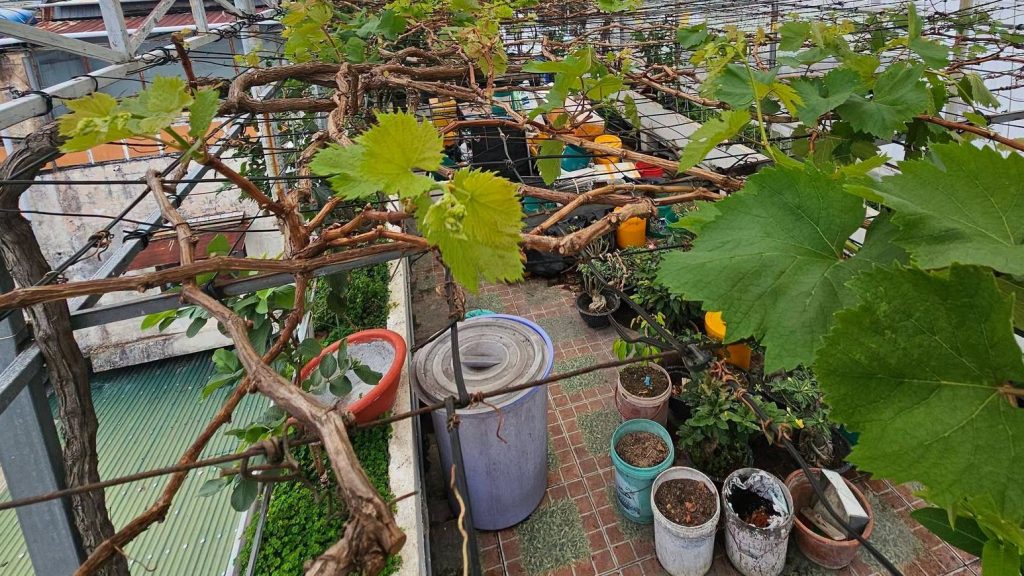
A fig tree can be grown in a sufficiently large container as long as the pot has good drainage and the tree receives plenty of sunlight.
Container growing has one major advantage: you can control the size of the tree more easily.
However, container plants dry out faster than trees planted directly in the ground. During hot weather, check the soil more frequently.
Over time, the tree may also need to be repotted or have its root system managed.
Fig Trees as Ornamental Plants
One of the reasons I recommend figs for home gardens is their appearance.
The large leaves give the plant a strong ornamental character. With thoughtful pruning, the tree can become a focal point near a patio, garden entrance, or sunny wall.
A well-maintained fig tree can therefore serve two purposes: decoration and fruit production.
This combination is especially useful for smaller gardens where every plant needs to earn its space.
The Meaning of Planting Figs at Home
For many families in Eastern cultures, planting a fig tree is not only about harvesting fruit.
The name and traditional associations of the fig are often connected with ideas of abundance and prosperity. A thriving tree covered with leaves and fruit can naturally represent a household that is flourishing and full of good things.
Because of this symbolism, some people choose to grow figs around their homes or gardens as a plant with positive meaning.
I think this is one of the nicest things about gardening. A tree does not have to be valuable only because of its harvest. It can also carry memories, traditions, and personal meaning.
Final Thoughts
Fig trees are practical, attractive, and surprisingly versatile. They can be grown for fresh fruit, used as ornamental plants, and incorporated into traditional dishes such as gỏi sung and nộm sung when the fruit is harvested at an appropriate stage.
From a gardener’s perspective, the most important things are simple: choose a sunny location, provide well-drained soil, water consistently, avoid excessive fertilizer, prune thoughtfully, and learn to recognize the signs of ripe fruit.
Once you understand those basics, growing figs becomes much easier.
Frequently Asked Questions About Figs
What is a fig?
A fig is the edible fruit of the fig tree, scientifically known as Ficus carica. Figs can be eaten fresh or dried and come in different varieties with green, purple, brown, or dark-colored skin.
Can you eat a fig with the skin?
Yes. The skin of a ripe fig is generally edible. Simply wash the fruit, remove the stem if desired, and eat it whole or cut it into pieces.
How do you know when a fig is ripe?
A ripe fig usually feels slightly soft when gently touched and may hang downward from the branch. Its color also changes depending on the variety. The fruit should feel full and mature rather than hard and completely green.
When is the best time to harvest figs?
The best time to harvest figs is when they have reached their mature color, become slightly soft, and begin to hang from the branch. Ripe figs are delicate, so handle them gently when picking.
Can you grow a fig tree in a container?
Yes. Figs can grow well in large containers when they receive plenty of sunlight and have good drainage. Container growing is especially useful when garden space is limited.
How much sunlight does a fig tree need?
A fig tree grows best in a sunny location with around six to eight hours of direct sunlight per day. Good sunlight helps support healthy growth and fruit development.
How long does it take for a fig tree to produce fruit?
The timing depends on the variety, age of the plant, growing conditions, and climate. A young tree may need a few growing seasons before producing a substantial crop, while an established tree can produce fruit regularly under suitable conditions.