Japanese maple trees are popular ornamental trees because of their elegant shape, colorful leaves, and beautiful seasonal appearance. Their foliage can range from green and red to deep purple and bright orange, making them an attractive addition to many gardens.
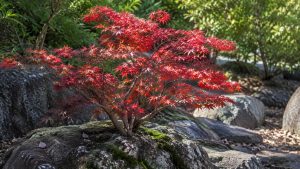
Although Japanese maples look delicate, they can be relatively easy to grow when planted in the right location and given proper care. Choosing suitable soil, providing enough water, and protecting the tree from extreme conditions are some of the most important steps.
Choose the Right Location
Choosing the right location is one of the most important parts of growing a Japanese maple.
Most Japanese maples grow well in locations that receive partial sunlight. Morning sun is often ideal because it provides light without exposing the tree to the strongest heat of the afternoon.
In areas with hot summers, afternoon shade can help protect the leaves from scorching. Strong sunlight, high temperatures, and dry conditions may cause leaf edges to become brown or crispy.
When choosing a planting location, look for an area with:
- Morning sunlight and some afternoon shade
- Protection from strong winds
- Well-draining soil
- Enough space for the tree to grow
Different Japanese maple varieties may have slightly different requirements. Some varieties can tolerate more direct sunlight, while others prefer more shade.
Prepare the Soil
Japanese maples generally prefer soil that drains well and contains plenty of organic matter.
Before planting, remove weeds and grass around the planting area. Dig a hole that is approximately two to three times wider than the tree’s root ball.
The planting hole should not be much deeper than the root ball. Planting too deeply can create problems for the roots and trunk.
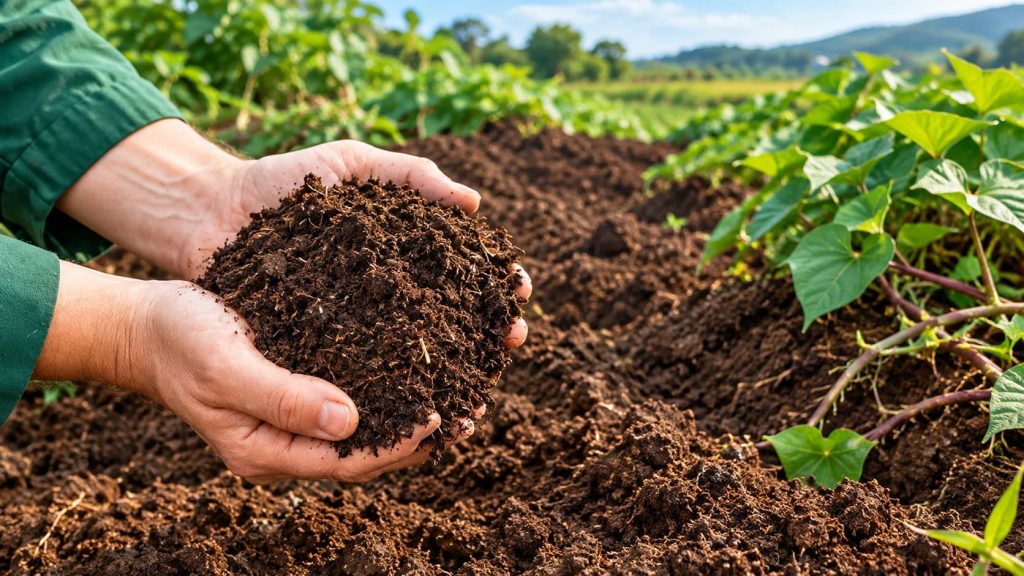
If your soil is heavy or compacted, adding compost can help improve its structure. However, good drainage is especially important because Japanese maples do not grow well when their roots remain in constantly wet soil.
How to Plant a Japanese Maple
Carefully remove the tree from its container and inspect the root ball.
If the roots are tightly wrapped around the outside, gently loosen them before planting. This can encourage the roots to spread into the surrounding soil.
Place the tree in the center of the planting hole. The top of the root ball should be close to the level of the surrounding soil.
Fill the hole with the original soil and gently firm it around the roots. Avoid pressing the soil too heavily.
Once the tree is planted, water it thoroughly.
Adding mulch around the base can also help protect the roots and conserve soil moisture.
Watering Your Japanese Maple
Watering is especially important during the first few years after planting.
Young Japanese maple trees need regular watering while they establish their root systems. The soil should remain moderately moist but should not stay constantly wet.
Deep watering is usually better than frequent, shallow watering. Watering slowly allows moisture to reach deeper into the soil where the roots are growing.
During hot or dry weather, check the soil regularly. If the top few inches of soil feel dry, the tree may need additional water.
Established Japanese maples are more tolerant of short dry periods, but they can still benefit from watering during long periods without rain.
Avoid overwatering, as constantly saturated soil can damage the roots.
Mulching Around the Tree
Mulch is very helpful for Japanese maple trees because their roots can be relatively close to the surface of the soil.
Apply a layer of organic mulch around two to three inches thick around the base of the tree.
Good mulch materials include:
- Shredded bark
- Wood chips
- Leaves
- Compost
Mulch helps retain soil moisture and protects the roots from extreme temperatures. It can also reduce weed growth around the tree.
However, avoid placing mulch directly against the trunk. Leave a small gap around the base to prevent excess moisture from collecting against the bark.
Fertilizing Japanese Maple
Japanese maples usually do not need large amounts of fertilizer.
Too much fertilizer can encourage fast and weak growth, which may make the tree more vulnerable to stress.
A light application of compost or a slow-release fertilizer during the growing season may be enough for many trees.
If your Japanese maple already appears healthy and produces good growth, additional fertilizer may not be necessary.
It is generally better to provide consistent water and good soil conditions than to use excessive fertilizer.
Pruning Japanese Maple Trees
Japanese maples naturally develop beautiful branch patterns, so heavy pruning is usually unnecessary.
Most pruning involves removing:
- Dead branches
- Damaged branches
- Crossing branches
- Unwanted growth
Light pruning can help improve airflow and maintain the natural shape of the tree.
Avoid removing too many branches at once. Japanese maples often look best when their natural structure is allowed to develop.
Always use clean and sharp pruning tools when making cuts.
Protecting the Tree From Extreme Weather
Young Japanese maples can be sensitive to extreme weather conditions.
Strong winds may damage branches and cause leaves to dry out. Choosing a protected planting location can help reduce this problem.
In hot climates, strong afternoon sunlight may cause leaf scorch. Providing some shade during the hottest part of the day can help keep the foliage looking healthy.
During winter, young trees may benefit from a layer of mulch around the root area. Mulch can help protect the roots from sudden changes in temperature.
Common Japanese Maple Problems
Leaf Scorch
Brown or dry leaf edges are commonly caused by strong sunlight, heat, wind, or dry soil.
Providing afternoon shade and consistent moisture can help reduce leaf scorch.
Poor Drainage
Japanese maples do not like waterlogged soil. If water remains around the roots for long periods, the tree may begin to struggle.
Improving drainage before planting is important, especially in gardens with heavy clay soil.
Slow Growth
Japanese maples naturally grow at different speeds depending on the variety.
Slow growth is not always a problem. However, poor soil conditions, inconsistent watering, or root stress may affect growth.
Focus on providing stable growing conditions rather than trying to force rapid growth.
Seasonal Care for Japanese Maple
Spring
Spring is a good time to inspect the tree for damaged branches. You can also refresh the mulch and begin monitoring soil moisture as temperatures increase.
Summer
Japanese maples may need additional water during hot and dry periods. Watch for signs of leaf scorch and provide protection from intense afternoon sunlight when necessary.
Fall
Many Japanese maple varieties produce their best foliage colors during fall. Continue watering during dry weather and enjoy the changing colors of the leaves.
Winter
Established trees usually need very little winter care. Young trees may benefit from mulch around the roots, particularly in areas with changing temperatures.
Final Thoughts
Japanese maples can be beautiful and rewarding trees to grow in the home garden. Their colorful foliage and graceful branches can make them a focal point throughout the year.
The most important steps are choosing the right location, planting the tree at the correct depth, providing well-draining soil, and maintaining consistent moisture.
With regular care and patience, a Japanese maple can grow into a beautiful landscape tree that provides color and interest for many years.
For more helpful tips and information about growing Japanese Maple, explore different varieties and learn which planting and care methods work best for your garden.