How to Grow Tomatoes is a common question among gardeners who want to enjoy fresh, flavorful tomatoes at home. With the right care, tomato plants can grow well in backyard gardens, raised beds, and containers.
Choosing the right variety, providing enough sunlight, preparing healthy soil, and watering properly are essential for strong plants and a good harvest. You also need to plant at the right time, provide support, manage pests, and harvest tomatoes at the right stage.
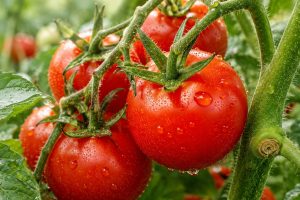
In this guide, you will discover 10 simple tips on how to grow tomatoes and learn how to keep your plants healthy and productive throughout the growing season.
1. Choose the Right Tomato Variety
Choosing the right tomato variety is the first step to growing a successful crop.
Before buying seeds or seedlings, consider:
- Garden space: Choose compact varieties for small gardens and containers.
- Growing season: Select varieties that can mature within your local growing season.
- Fruit size: Choose cherry, Roma, beefsteak, or other types based on your needs.
- Growth habit: Determinate tomatoes are more compact, while indeterminate varieties continue growing throughout the season.
- Disease resistance: Disease-resistant varieties can be helpful in areas where tomato diseases are common.
For beginners, cherry tomatoes are often an easy choice because many varieties grow quickly and produce abundant fruit.
If you have limited space, look for dwarf or patio tomato varieties that are suitable for containers.
2. Choose a Sunny Location
Tomatoes need plenty of sunlight to grow strong and produce fruit.
Choose a location that receives:
- At least 6–8 hours of direct sunlight per day
- Good air circulation
- Protection from strong winds when possible
- Easy access to water
Avoid planting tomatoes in deep shade or directly under large trees.
Insufficient sunlight can lead to:
- Weak or leggy growth
- Fewer flowers
- Reduced fruit production
- Slow ripening
If you are growing tomatoes in containers, place them in the sunniest location available.
Remember that the amount of sunlight can change as the season progresses, so check your garden before planting.
3. Prepare Healthy Soil
Good soil provides tomato plants with the nutrients and support they need to develop strong roots.
Before planting:
- Remove weeds and large stones.
- Loosen compacted soil.
- Add compost or well-aged organic matter.
- Make sure the soil drains well.
- Consider testing the soil if your plants have repeated growth problems.
Tomatoes prefer fertile soil with good drainage.
Avoid areas where water regularly collects after rain.
For container tomatoes, use a quality potting mix designed for vegetables. Avoid using heavy garden soil in containers because it may drain poorly.
A layer of organic mulch around the plants can also help:
- Keep soil moisture more consistent
- Reduce weed growth
- Protect the soil from drying out quickly
Keep mulch slightly away from the main stem of the plant.
4. Plant Tomatoes at the Right Time
Timing is very important when growing tomatoes.
Tomatoes are warm-season plants and are sensitive to frost.
Before planting outdoors:
- Wait until the danger of frost has passed.
- Make sure the soil has warmed up.
- Choose a location with plenty of sunlight.
- Harden off indoor-grown seedlings before transplanting.
If you start tomatoes from seeds, you can begin them indoors several weeks before the last expected spring frost.
When transplanting seedlings, many gardeners plant them slightly deeper than they were growing in their containers.
Tomato plants can develop roots along buried sections of the stem, which may help create a stronger root system.
Give each plant enough space to grow.
Proper spacing helps:
- Improve air circulation
- Reduce overcrowding
- Make watering easier
- Make harvesting easier
- Reduce the risk of some diseases
Always check the recommended spacing for your specific tomato variety.
5. Water Tomato Plants Properly
Watering correctly is one of the most important parts of tomato plant care.
Tomatoes need consistent moisture, especially during:
- Early plant growth
- Flowering
- Fruit development
- Hot and dry weather
Follow these watering tips:
- Water deeply rather than giving frequent shallow watering.
- Water around the base of the plant.
- Avoid frequently wetting the leaves.
- Check the soil before watering.
- Increase watering during hot, dry weather.
- Reduce watering when rainfall provides enough moisture.
Morning is often a good time to water because the foliage has more time to dry during the day.
Inconsistent watering can contribute to problems such as cracked tomatoes.
Adding mulch around the plants can help the soil retain moisture and reduce evaporation.
The exact watering schedule depends on your soil, climate, rainfall, and whether you grow tomatoes in the ground or containers.
6. Fertilize Tomatoes Carefully
Tomato plants need nutrients for healthy leaves, flowers, and fruit.
If your soil is fertile and contains plenty of organic matter, your plants may need less additional fertilizer.
When fertilizing tomatoes:
- Use a fertilizer designed for vegetables or tomatoes.
- Follow the instructions on the product label.
- Avoid applying excessive fertilizer.
- Pay attention to plant growth and leaf color.
- Consider a soil test if nutrient problems continue.
Too much nitrogen can encourage excessive leaf and stem growth while reducing fruit production.
A balanced fertilizer program is usually better than applying large amounts of one nutrient.
Compost can also be a useful addition to garden soil.
If your tomato plants show unusual symptoms, identify the possible cause before adding more fertilizer.
Yellow leaves, poor growth, and weak fruit production can have several causes, including:
- Watering problems
- Nutrient deficiencies
- Pests
- Diseases
- Natural aging
7. Support Tomato Plants
Many tomato varieties need support as they grow.
Without support, branches can become heavy and fall onto the ground.
Common support options include:
- Tomato cages
- Garden stakes
- Trellises
- String systems
Indeterminate tomato varieties usually benefit from strong support because they can continue growing throughout the season.
When using stakes:
- Install the stake when planting or while the plant is still small.
- Use soft garden ties.
- Tie the plant loosely.
- Add additional support as the plant grows.
Tomato cages are another simple option.
Supporting tomato plants can:
- Keep fruit off the ground
- Improve air circulation
- Make harvesting easier
- Reduce contact with wet soil
- Help manage large plants
It is easier to install support early than to add it after the plant has become large.
8. Prune Tomato Plants Carefully
Pruning can help manage some tomato plants, especially vigorous indeterminate varieties.
You may consider removing:
- Damaged branches
- Diseased leaves
- Excessively crowded growth
- Some suckers, depending on the variety and growing method
Suckers are small shoots that develop between the main stem and side branches.
However, avoid excessive pruning.
Healthy leaves are important because they capture sunlight and help the plant produce energy.
When pruning:
- Use clean pruning tools.
- Remove damaged or diseased growth first.
- Avoid removing too many healthy leaves.
- Focus on improving airflow and managing plant size.
Determinate tomato varieties usually need less pruning because they naturally stop growing at a certain size.
The best pruning method depends on the variety you are growing.
9. Protect Tomatoes from Pests and Diseases
Pests and diseases can damage tomato plants and reduce your harvest.
Common tomato pests include:
- Aphids
- Tomato hornworms
- Whiteflies
- Spider mites
- Various caterpillars
Check your plants regularly.
Look carefully at:
- The underside of leaves
- New growth
- Stems
- Flowers
- Developing fruit
Early detection makes pest problems easier to manage.
To help prevent problems:
- Give plants enough space.
- Improve air circulation.
- Remove severely damaged plant parts.
- Clean up fallen leaves and plant debris.
- Water the soil instead of frequently wetting foliage.
- Rotate crops when possible.
If you notice insects or signs of disease, identify the problem before choosing a treatment.
Different pests and diseases require different solutions.
Healthy plants with good growing conditions are often better able to tolerate minor pest pressure.
10. Harvest Tomatoes at the Right Time
Knowing when to harvest tomatoes is the final step in growing a successful crop.
Most tomatoes are ready to harvest when they:
- Reach their mature color
- Feel slightly firm
- Have developed their characteristic shape
- Come away from the plant easily
Depending on the variety, mature tomatoes may be:
- Red
- Yellow
- Orange
- Pink
- Purple
- Green
Cherry tomatoes are often ready when they have developed their full color and flavor.
When harvesting:
- Gently twist the tomato from the plant.
- Use clean scissors or pruning shears if necessary.
- Avoid pulling hard on branches.
- Handle ripe fruit carefully.
For the best flavor, allow tomatoes to ripen fully on the plant when weather conditions are suitable.
If frost or severe weather is approaching, mature green tomatoes can sometimes be harvested and allowed to ripen indoors.
Store harvested tomatoes at room temperature for the best flavor.
Common Mistakes When Growing Tomatoes
Even beginner gardeners can avoid many common tomato-growing problems by following a few simple rules.
Planting in Too Much Shade
Tomatoes need plenty of sunlight.
Choose a location with at least 6–8 hours of direct sun whenever possible.
Overwatering
Too much water can create root problems and other growing issues.
Always check the soil before watering.
Underwatering
Allowing plants to become extremely dry can stress them and affect fruit development.
Try to maintain consistent soil moisture.
Planting Too Closely
Crowded plants have poor airflow and may be more vulnerable to certain diseases.
Follow the recommended spacing for your variety.
Using Too Much Fertilizer
More fertilizer does not always mean more tomatoes.
Excessive nitrogen can encourage leaves instead of fruit.
Waiting Too Long to Add Support
Large tomato plants are much harder to support.
Install cages or stakes early in the growing season.
How Long Does It Take to Grow Tomatoes?
The time required to grow tomatoes depends on the variety and growing conditions.
Some early varieties produce fruit relatively quickly, while larger varieties may take longer.
The growing process generally includes:
- Seed germination
- Seedling development
- Transplanting
- Flowering
- Fruit development
- Ripening
If you start with established seedlings, you can usually harvest tomatoes sooner than if you start from seeds.
Weather, sunlight, soil quality, watering, and plant health can all affect the time to harvest.
Check the seed packet or plant label for the expected days to maturity.
Conclusion
Learning how to grow tomatoes is easier when you focus on the basics.
Choose the right variety, provide plenty of sunlight, prepare healthy soil, and plant at the right time.
Then focus on consistent watering, careful fertilizing, proper support, and regular monitoring for pests and diseases.
Finally, harvest your tomatoes at the right stage for the best flavor.