Daikon (daikon radish) is one of those vegetables that often surprises people. It may look like a simple white root, but its crisp texture, mild flavor, impressive nutrition, and easy-growing nature have made it a favorite in gardens and kitchens around the world. I still remember harvesting my first daikon and realizing how much fresher and sweeter it tasted than store-bought ones. In today’s guide, let’s explore Nutrition, Benefits, Growing, and Care Guide, and discover everything you need to know to grow, care for, and enjoy this versatile root vegetable at home.
1. What Is Daikon Radish ?
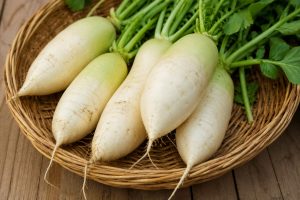
Daikon, also called daikon radish is a large white root vegetable that belongs to the radish family and is scientifically known as Raphanus sativus var. longipinnatus. Unlike the small red radishes commonly found in salads, daikon grows much larger, often reaching 12–24 inches (30–60 cm) in length. It has smooth white skin, crisp flesh, and a mild, slightly sweet flavor with very little peppery bite.
Native to East Asia, daikon has been cultivated for centuries in countries such as Japan, China, and Korea, where it remains an essential ingredient in many traditional dishes. Today, it is also widely grown in the United States, Europe, and other regions thanks to its versatility and ease of cultivation. As a cool-season crop, daikon thrives in fertile, well-drained soil and is valued not only as a nutritious vegetable but also as a popular cover crop that helps improve soil structure and reduce compaction.
2. Daikon Radish Nutrition Facts
After the table below, you’ll find the approximate nutritional value of 1 cup (116 g) of raw daikon radish. Naturally low in calories and rich in vitamin C, fiber, and essential minerals, daikon is a healthy root vegetable that fits well into balanced, low-calorie, and plant-based diets.
| Nutrient | Amount (per 1 cup / 116 g raw) |
|---|---|
| Calories | 20 kcal |
| Carbohydrates | 4.7 g |
| Dietary Fiber | 1.9 g |
| Protein | 0.6 g |
| Total Fat | 0.1 g |
| Vitamin C | 25.5 mg (28% DV) |
| Folate | 32 mcg (8% DV) |
| Potassium | 227 mg (5% DV) |
| Calcium | 32 mg (2% DV) |
| Magnesium | 12 mg (3% DV) |
| Water | ~110 g |
Source: U.S. Department of Agriculture (USDA) FoodData Central. Nutrition values for raw daikon radish.
3. Health Benefits of Daikon Radish
4. How to Cook and Use Daikon Radish

Daikon radish is incredibly versatile and can be enjoyed both raw and cooked. Its mild flavor makes it a great addition to a wide variety of dishes.
- Eat it raw in salads, slaws, or wraps for a crisp, refreshing crunch.
- Pickle it to make traditional Japanese or Korean side dishes.
- Add it to soups and stews, where it becomes tender and absorbs rich flavors.
- Stir-fry or roast it with other vegetables for a simple, healthy side dish.
- Grate it fresh as a garnish for grilled fish, noodles, or rice dishes.
- Use the leaves, if fresh, in stir-fries, soups, or pesto to reduce food waste.
Whether served fresh or cooked, daikon is an easy way to add flavor, texture, and nutrition to everyday meals.
5. Side Effects & Precautions
- May cause digestive discomfort: Eating large amounts of daikon radish may lead to bloating, gas, or mild stomach discomfort, especially if you are not used to a high-fiber diet.
- Thyroid considerations: Like other cruciferous vegetables, raw daikon contains natural compounds that may affect thyroid function when consumed in excessive amounts. Moderate intake is generally considered safe for most people.
- Possible allergic reactions: Although rare, some individuals may experience allergic symptoms such as itching, swelling, or skin irritation after eating daikon.
- Medication interactions: If you take blood-thinning medications or have a chronic medical condition, consult your healthcare provider before significantly increasing your daikon intake.
- Enjoy in moderation: Eating daikon radish as part of a balanced diet allows you to enjoy its nutritional benefits while minimizing the risk of unwanted side effects.
6. How to Grow and Care for Daikon Radish
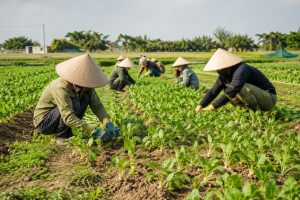
Growing daikon radish is simple, making it an excellent choice for both beginners and experienced gardeners. As a cool-season crop, daikon grows best when planted in early spring or late summer, avoiding the hottest part of the year.
Choose the Right Location
Plant daikon in a spot that receives 6–8 hours of direct sunlight each day. While it can tolerate light shade, full sun produces stronger plants and larger, healthier roots.
Prepare the Soil
Daikon develops long roots, so loose, well-drained soil is essential. Work compost into the soil before planting and remove rocks or compacted soil that could cause forked or misshapen roots. A soil pH between 6.0 and 7.0 is ideal.
Sow the Seeds
Directly sow seeds about ½ inch deep and 2–3 inches apart. Leave 12–18 inches between rows. Once seedlings emerge, thin them to 4–6 inches apart so each root has enough room to develop.
Water Consistently
Keep the soil evenly moist throughout the growing season, but avoid overwatering. Inconsistent watering may cause roots to crack or become woody. A layer of organic mulch helps retain moisture and reduces weed growth.
Fertilize Lightly
Daikon doesn’t require heavy feeding. Mixing compost or well-rotted organic matter into the soil before planting usually provides enough nutrients. Avoid excessive nitrogen fertilizer, which encourages leafy growth instead of large roots.
Watch for Pests
Common pests include flea beetles, aphids, and cabbage worms. Inspect plants regularly and use floating row covers or crop rotation to reduce pest problems naturally.
Harvest at the Right Time
Most daikon radish varieties are ready to harvest in 50–70 days. Pull the roots while they are firm, smooth, and tender. Harvesting before the roots become oversized ensures the best flavor and crisp texture for salads, soups, stir-fries, and pickling.
7. Harvesting and Storage
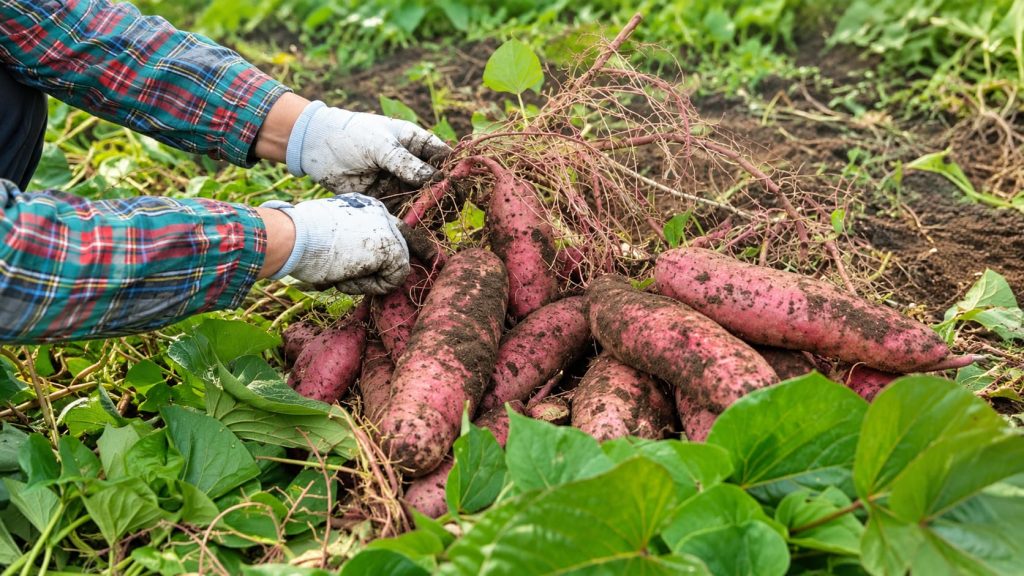
Harvest daikon radish when the roots reach their expected size, usually 50–70 days after planting. Pull them gently from moist soil before they become overly mature, as older roots can turn woody or develop a stronger flavor. Trim off the leafy tops, brush away excess soil, and avoid washing until you’re ready to use them. Store daikon in the refrigerator inside a plastic bag or airtight container, where it can stay fresh for 2–3 weeks. For longer storage, daikon can also be pickled, frozen after blanching, or fermented.
Conclusion
Daikon radish is much more than a simple root vegetable. It’s nutritious, easy to grow, and incredibly versatile in the kitchen, making it a valuable addition to any home garden. Whether you enjoy it fresh in salads, cooked in soups, roasted as a side dish, or pickled for extra flavor, daikon offers plenty of health benefits and culinary possibilities. With the right growing conditions and basic care, you can harvest crisp, flavorful roots in just a few months. We hope this Daikon Radish: Nutrition, Benefits, Growing, and Care Guide has given you the knowledge and confidence to grow, cook, and enjoy this remarkable vegetable throughout the year.