The key to growing healthy daikon radishes is giving the roots plenty of loose soil, consistent moisture, and the right growing conditions. When planted at the right time, daikon can develop long, smooth roots in just a few weeks.
1. Choose the Right Time to Plant Daikon Radish
Daikon radish grows best during cool weather. The ideal temperatures are generally between 50°F and 65°F, making spring and fall the best growing seasons in many parts of the United States.
For a spring crop, sow seeds as soon as the soil can be worked. Avoid planting too late when temperatures begin to rise because hot weather can cause daikon to bolt, resulting in smaller or tougher roots.
Fall is often an excellent time to grow daikon. Sow seeds several weeks before the first expected frost so the plants have enough time to develop mature roots.
In mild climates, daikon can often be grown throughout much of the winter.
2. Select a Good Location
Choose a garden location that receives at least 6 hours of sunlight per day. Daikon can tolerate some light shade, but full sun encourages stronger leaf growth and better root development.
Avoid areas where water collects after rain. Poor drainage can lead to root problems and slow growth.
Raised beds are especially useful because they allow you to control soil depth and drainage.
3. Prepare the Soil
Soil preparation is one of the most important steps when growing daikon radish.
Because daikon develops a long taproot, it needs loose, deep soil that allows the root to grow downward without hitting rocks, compacted soil, or other obstacles.
Before planting, loosen the soil to a depth of 12 to 18 inches. Remove rocks, large pieces of debris, and hard clumps.
Mix in compost if the soil is poor or lacks organic matter. The goal is to create soil that is loose, fertile, and well drained.
Avoid adding excessive amounts of nitrogen fertilizer. Too much nitrogen can encourage large leafy tops while producing smaller roots.
4. How to Plant Daikon Radish Seeds
Daikon is best grown directly from seed rather than transplanted.
Create shallow rows about ½ inch deep and sow the seeds directly into the soil. Space seeds approximately 1 inch apart.
Cover the seeds lightly with soil and water gently.
Depending on soil temperature and growing conditions, seeds may germinate within several days to about a week.
Once seedlings emerge, thin them so the remaining plants have enough room to develop properly.
For many daikon varieties, a spacing of approximately 4 to 6 inches between plants works well. Larger varieties may require more space.
5. Watering Daikon Radish
Consistent watering is essential for good root development.
Keep the soil evenly moist, especially during germination and the early stages of growth. Avoid allowing the soil to become completely dry and then soaking it heavily.
Uneven moisture can contribute to slow growth, poor root development, or roots that become tougher or develop cracks.
A layer of organic mulch around the plants can help retain soil moisture and reduce temperature fluctuations.
Water at the base of the plants when possible rather than constantly wetting the foliage.
6. Fertilizing Daikon Radish
Daikon generally does not require heavy feeding if it is planted in fertile soil.
Before planting, incorporating compost into the soil is often enough to provide the nutrients needed for healthy growth.
If additional fertilizer is necessary, choose a balanced vegetable fertilizer and follow the product’s application instructions.
Avoid excessive nitrogen because daikon is grown primarily for its roots. Too much nitrogen can result in vigorous foliage without equally impressive root growth.
7. Thin the Seedlings
Thinning is an important step that should not be skipped.
When seedlings are young and crowded together, remove weaker plants so the remaining seedlings have enough space to develop their roots.
Thin gradually if necessary, leaving approximately 4 to 6 inches between plants, depending on the variety.
The young leaves you remove can often be used as edible greens if they are clean and tender.
8. Keep Weeds Under Control
Daikon grows relatively quickly, but young plants can struggle when surrounded by weeds.
Remove weeds carefully before they become established. Hand weeding is usually sufficient for a small home garden.
Be careful when cultivating around daikon plants because disturbing the developing roots can affect their shape.
Mulching around the plants can also reduce weed growth while helping the soil retain moisture.
9. Protect Daikon Radish From Pests
Several common garden pests may feed on daikon and other members of the cabbage family.
Flea beetles can create small holes in the leaves, while caterpillars and other insects may also damage the foliage.
Inspect plants regularly, especially when they are young. Row covers can provide an effective physical barrier against many common insect pests.
Good garden sanitation also helps. Remove severely damaged plant material and keep the growing area free of unnecessary weeds and plant debris.
10. When to Harvest Daikon Radish
One of the best things about daikon is that it can mature relatively quickly.
Depending on the variety, many daikon radishes are ready to harvest in approximately 40 to 70 days after planting. Always check the seed packet because maturity times vary considerably between varieties.
You can begin checking the roots when they appear large enough to use.
Do not wait too long if the variety is intended to be harvested young. Older roots can become tougher, especially when plants experience hot weather or inconsistent moisture.
To harvest, loosen the soil around the root and gently pull the daikon from the ground. If the soil is compacted, use a garden fork carefully beside the root rather than pulling forcefully.
11. How to Store Fresh Daikon Radish
After harvesting, remove the leafy tops if you are storing the roots for several days or longer. The leaves draw moisture from the root and can cause it to lose quality more quickly.
Brush off excess soil and store the roots in the refrigerator.
Fresh daikon can remain crisp for several weeks when stored under suitable conditions.
The leaves are also edible and can be used soon after harvest in soups, stir-fries, salads, or other dishes.
12. Growing Daikon Radish in Containers
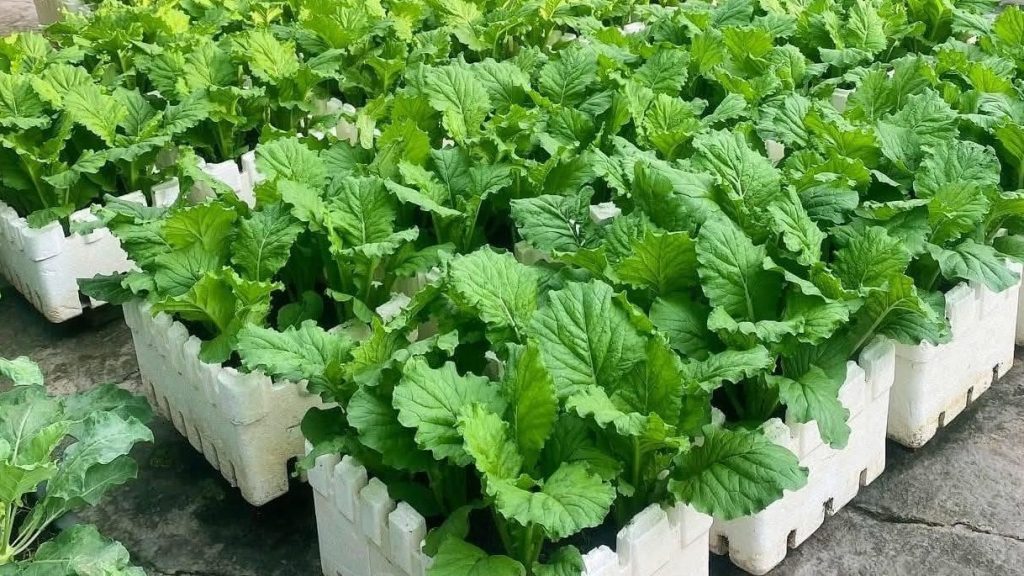
You can grow daikon in containers as long as the container is deep enough for the variety you choose.
Select a container with good drainage and preferably at least 12 inches deep, although longer varieties may require considerably more depth.
Fill the container with a loose, well-draining potting mix. Avoid compact garden soil because it can restrict root development.
Choose shorter or round daikon varieties if your container is not very deep. Keep the pot in a sunny location and maintain consistent moisture.
Container-grown daikon may need more frequent watering than plants grown directly in the ground because containers dry out faster.
13. Common Problems When Growing Daikon Radish
Daikon Has Large Leaves but Small Roots
This can happen when plants receive too much nitrogen, lack sufficient sunlight, or are planted too close together.
Provide adequate spacing and avoid excessive nitrogen fertilizer.
Roots Are Forked or Misshapen
Hard, rocky, or compacted soil is one of the most common causes of misshapen roots.
Prepare the soil deeply before planting and remove stones and other obstacles.
Daikon Tastes Too Strong
Daikon can develop a stronger flavor when plants mature during hot weather or experience stress from inconsistent watering.
Growing during cooler seasons and maintaining even soil moisture can help produce milder roots.
Plants Bolt Too Early
Bolting occurs when the plant produces a flower stalk instead of continuing to develop the root.
High temperatures and other environmental stress can encourage bolting. Plant daikon during the cooler parts of the growing season to reduce the risk.