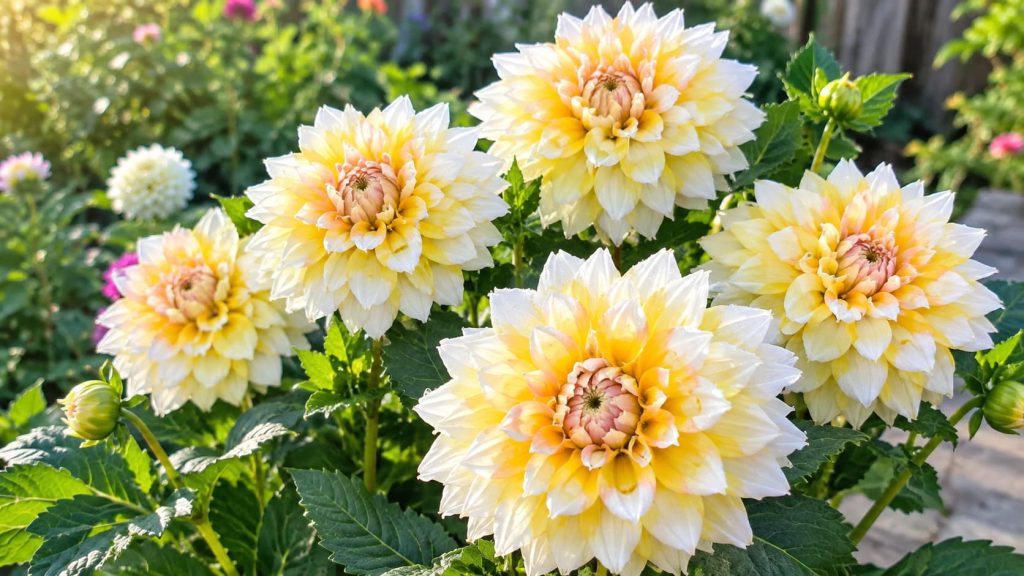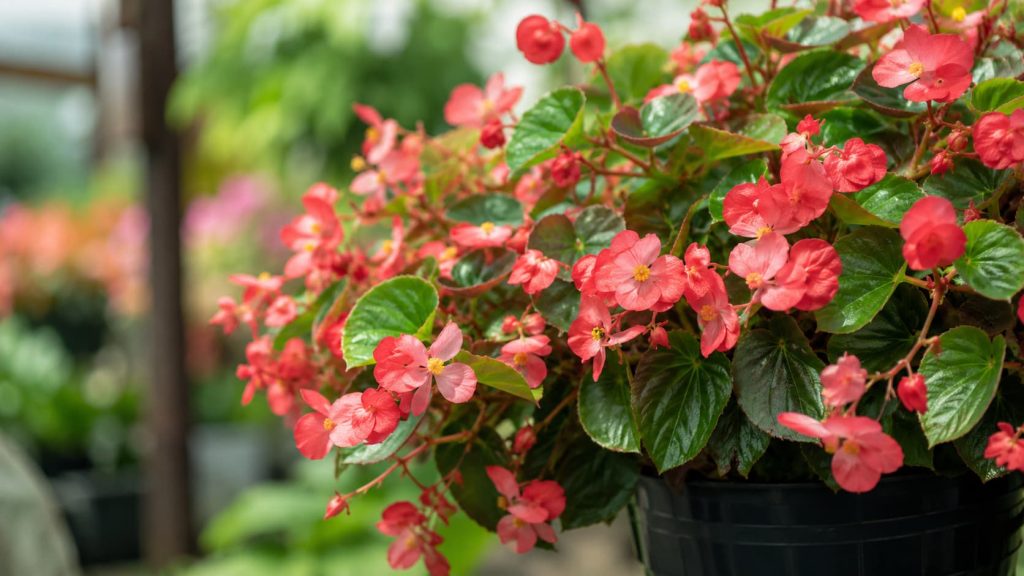
Snake Plant is a popular indoor plant known for its tall, elegant leaves, easy care, and ability to thrive in various conditions. This hardy houseplant tolerates low light, dry soil, and occasional missed waterings, making it ideal for beginners and busy plant lovers. Although the plant is mainly valued for its striking foliage, mature plants can sometimes produce delicate Snake Flower blooms under suitable conditions.
Learning about Snake Plant care, including light, watering, soil, and growing conditions, helps keep your plant healthy and attractive.
What Is a Snake Plant?
Snake Plant, also known as Mother-in-Law’s Tongue, is a popular evergreen houseplant from the genus Dracaena. It was previously classified under the botanical name Sansevieria, which is still commonly used by gardeners and plant enthusiasts around the world.
Native to tropical regions of West Africa, Snake Plant naturally grows in warm, dry environments. Its ability to store water inside its thick leaves allows it to survive drought conditions, making it one of the most forgiving indoor plants available.
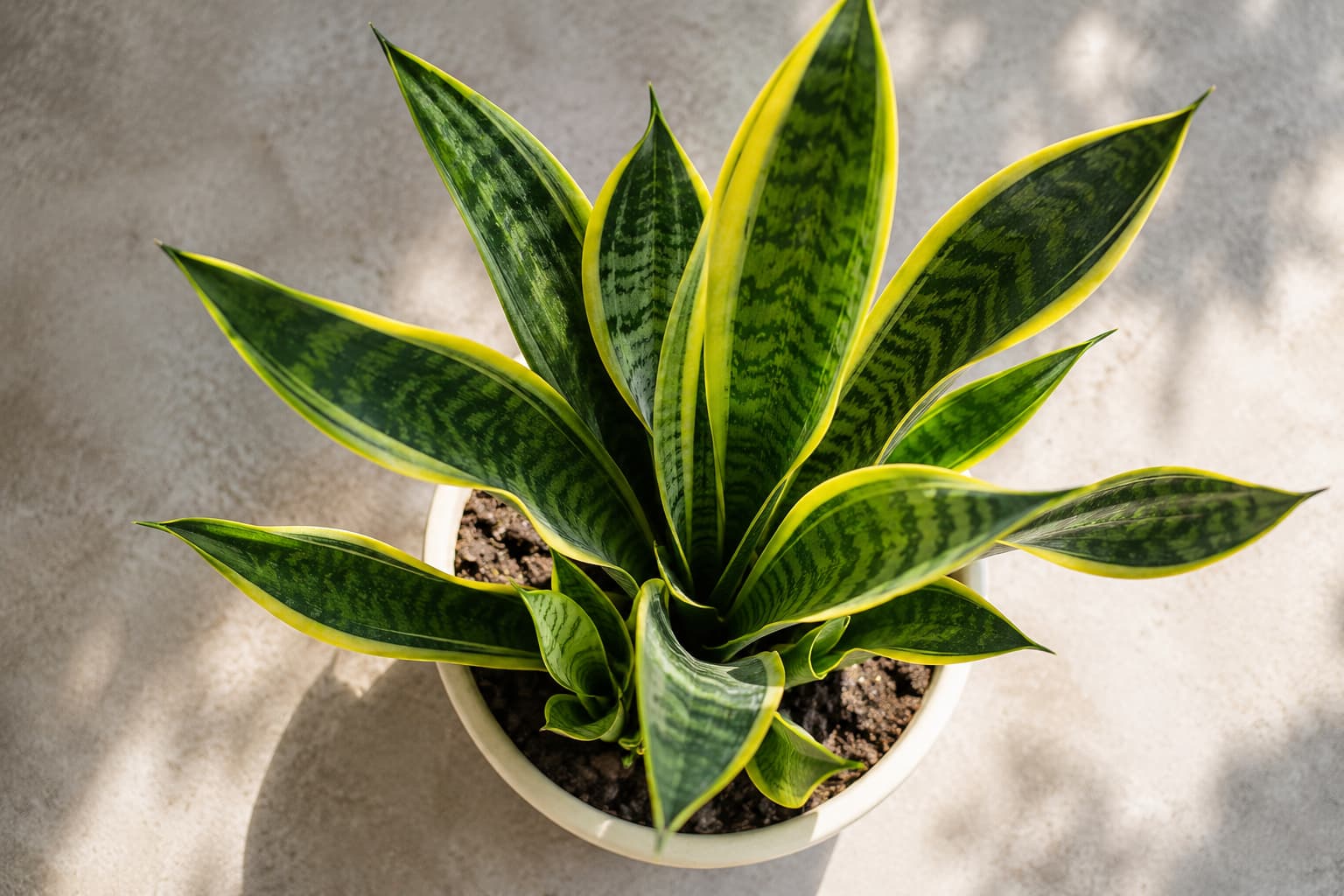
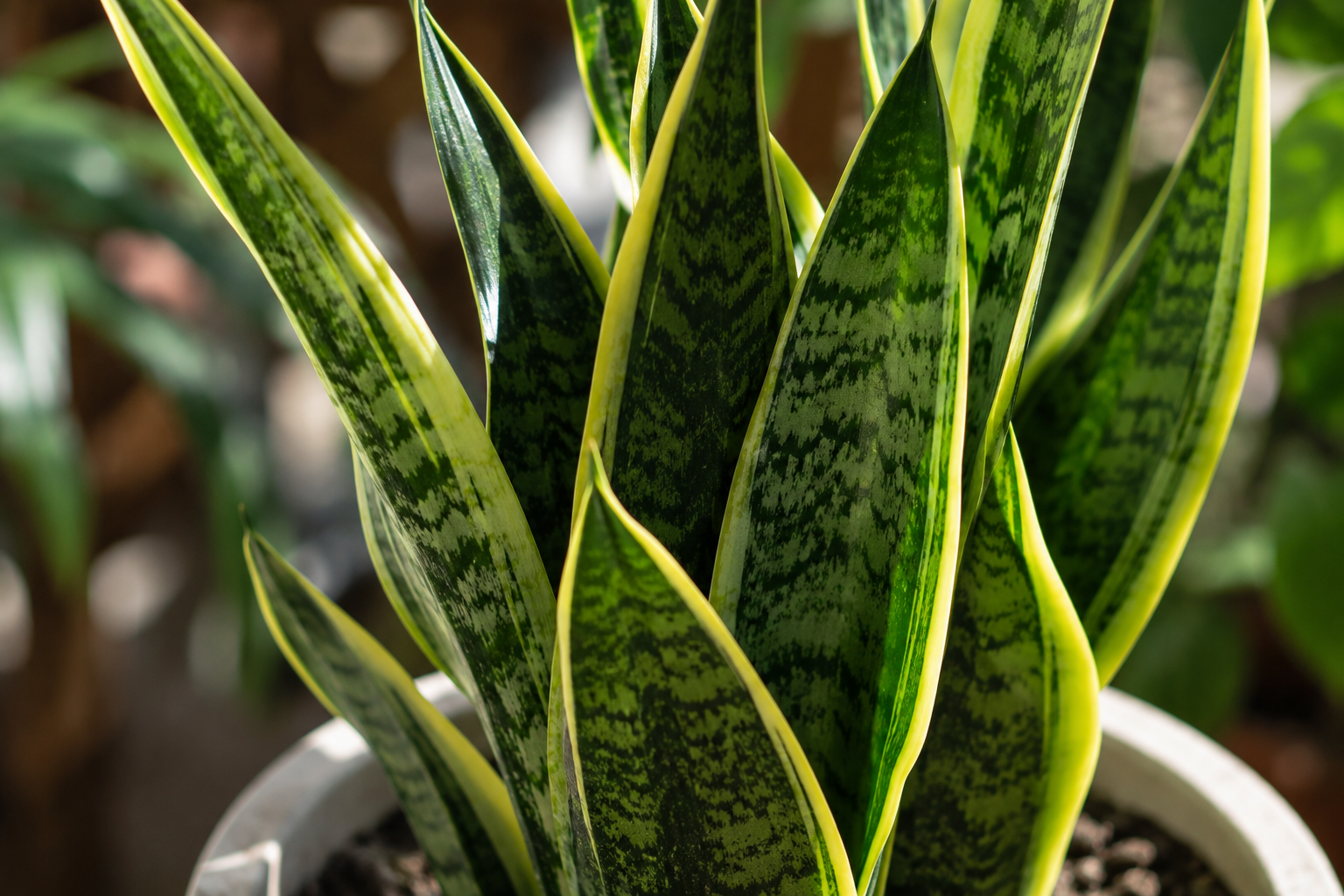
The plant is easily recognized by its long, upright, sword-shaped leaves that grow directly from the base. Depending on the variety, the leaves can feature beautiful patterns, including deep green stripes, yellow edges, silver tones, and unique variegated designs.
Some popular Snake Plant varieties include:
Laurentii Snake Plant – A classic variety with dark green leaves and bright yellow edges that create a striking appearance.
Moonshine Snake Plant – Known for its elegant silver-green leaves and modern look.
Bird’s Nest Snake Plant – A compact variety with short, attractive leaves arranged in a rosette shape.
Cylindrical Snake Plant – Features round, tube-shaped leaves that grow vertically like green spears.
Thanks to its stylish appearance, strong survival ability, and low-maintenance nature, Snake Plant has become a favorite choice for homes, offices, apartments, and modern interior spaces.
Snake Plant Meaning and Symbolism
A Symbol of Strength and Resilience
Snake Plant is often associated with strength, endurance, and adaptability because of its ability to survive challenging conditions.
This plant can continue growing even when exposed to drought, low light, and occasional neglect. For many plant lovers, Snake Plant represents the idea that beauty and growth can exist even in difficult environments.
Represents Good Luck and Positive Energy
In Feng Shui traditions, Snake Plant is often considered a symbol of protection, good fortune, and positive energy.
Its tall, upright leaves are believed to represent upward growth, strong determination, and progress in life. Because of this symbolism, many people place Snake Plant near entrances, workspaces, or living rooms to create a welcoming atmosphere.
Creates a Calm and Balanced Atmosphere
With its clean shape and elegant appearance, Snake Plant brings a sense of simplicity and balance to indoor spaces.
The green leaves help create a relaxing connection with nature, making it a popular choice for bedrooms, offices, and peaceful corners of the home.
Benefits and Uses of Snake Plant
Snake Plant offers much more than beautiful decoration. It is a practical houseplant that can improve the feeling and appearance of indoor spaces.
Helps Improve Indoor Air Quality
Like other green plants, Snake Plant absorbs carbon dioxide and releases oxygen through photosynthesis.
Some research has explored how indoor plants may help reduce certain pollutants under controlled conditions. However, houseplants should be viewed as a complement to proper ventilation and air purification rather than a complete replacement.
Releases Oxygen During the Night
One interesting feature of Snake Plant is its CAM (Crassulacean Acid Metabolism) photosynthesis process.
Unlike many plants that exchange gases mainly during the day, Snake Plant can continue gas exchange at night. This unique characteristic is one reason many people enjoy keeping it in bedrooms.
A Beautiful Indoor Decoration
Snake Plant works beautifully in many indoor areas, including:
Living rooms
Bedrooms
Home offices
Hallways
Apartments
Indoor gardens
Its vertical growth habit makes it especially suitable for small spaces because it adds greenery without taking up much floor area.
A Low-Maintenance Houseplant
One of the biggest reasons people love Snake Plant is its ability to thrive with very little attention.
It can tolerate:
Infrequent watering
Low humidity
Different lighting conditions
Busy schedules
This makes it one of the best beginner-friendly houseplants.
How to Grow Snake Plant Successfully
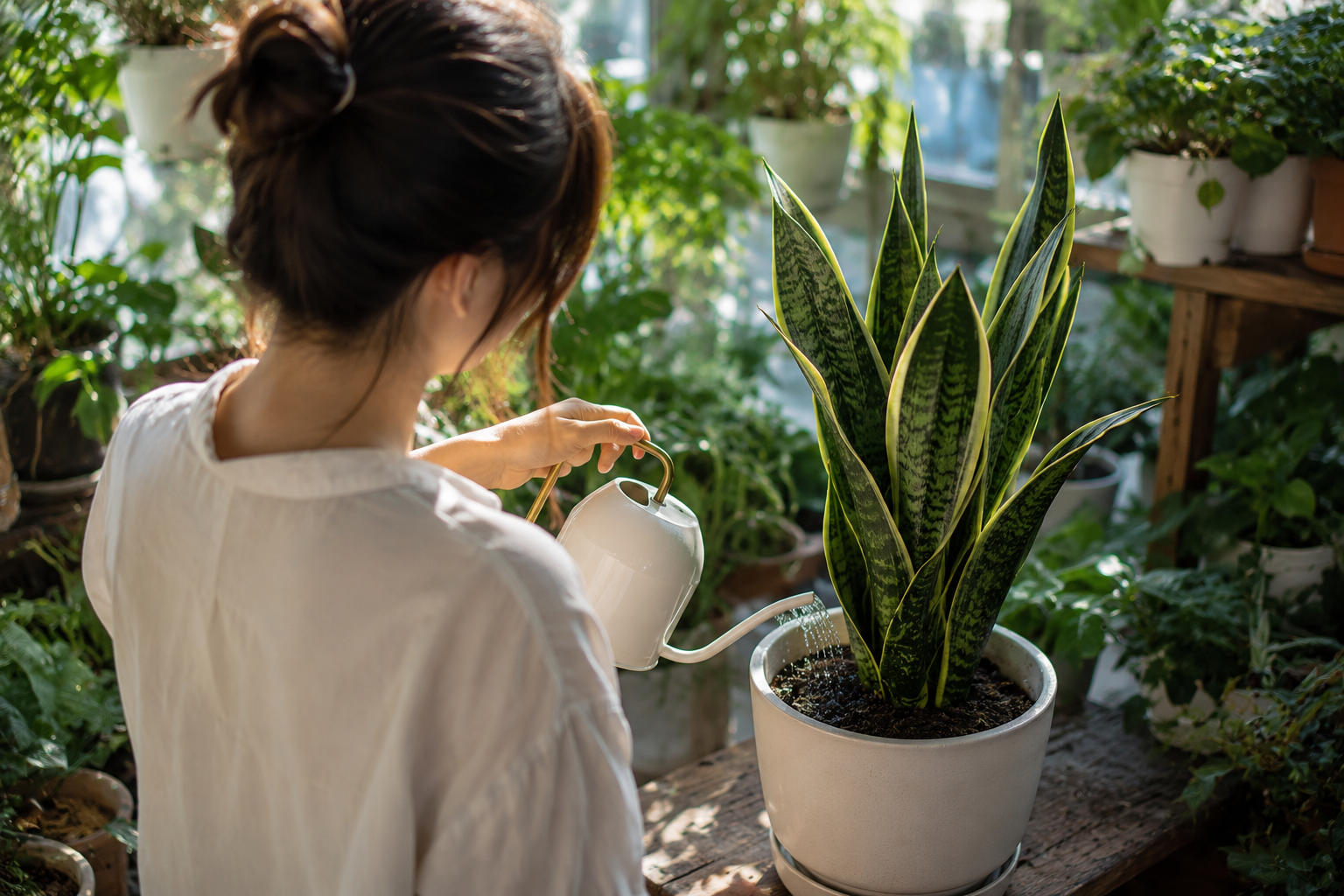
Growing Snake Plant is simple when you provide the right environment.
Choose the Right Soil
Snake Plant requires well-draining soil because its roots are sensitive to excess moisture.
The ideal soil mix includes:
Cactus or succulent potting soil
Perlite
Coarse sand
A small amount of organic compost
Avoid using heavy garden soil because it can hold too much water and increase the risk of root problems.
Select the Right Pot
A pot with drainage holes is essential for healthy Snake Plant growth.
Terracotta pots are an excellent choice because they allow moisture to evaporate more easily.
Choose a container that is only slightly larger than the root system. A pot that is too large can keep the soil wet for too long.
Find the Best Location
Snake Plant grows best in bright, indirect sunlight.
Ideal locations include:
Near an east-facing window
Near a west-facing window with filtered light
Bright indoor areas
Although Snake Plant can survive in low light, growth may become slower.
How to Care for Snake Plant
Proper care will help your Snake Plant maintain strong leaves and healthy growth.
Provide Suitable Light
Snake Plant is highly adaptable, but bright indirect light encourages stronger growth and better leaf colors.
Avoid long exposure to intense direct sunlight because it can cause leaf damage.
Maintain Proper Watering
Snake Plant stores water inside its thick leaves, so it prefers dry soil between waterings.
A simple rule:
Water only when the soil is completely dry.
Reduce watering during colder months.
Always check the soil before adding more water.
Keep the Right Temperature
Snake Plant prefers warm indoor conditions.
Ideal temperature range:
60–85°F (16–29°C)
Protect your plant from:
Frost
Cold drafts
Sudden temperature changes
Clean Leaves Regularly
Large Snake Plant leaves can collect dust over time.
Wipe the leaves gently with a damp cloth every few weeks to keep them clean, healthy, and attractive.
Learn More About Snake Plant Care
How Often Should You Water a Snake Plant?
Watering is the most important part of Snake Plant care.
Because Snake Plant stores moisture in its leaves, it does not need frequent watering like tropical houseplants.
A general schedule:
Spring and summer: Every 2–3 weeks
Fall and winter: About once a month
However, watering frequency depends on:
Light conditions
Room temperature
Pot size
Soil type
Signs of overwatering include:
Yellow leaves
Soft leaves
Root problems
Slow growth
When uncertain, it is always safer to underwater rather than overwater.
Best Light, Soil, and Temperature for Snake Plant
For healthy growth, Snake Plant needs three important conditions:
Light
Best:
Bright indirect sunlight
Filtered natural light
Acceptable:
Low light areas
Avoid:
Strong afternoon sunlight for long periods
Soil
Best soil should be:
Fast-draining
Lightweight
Suitable for succulents
Temperature
Ideal:
60–85°F (16–29°C)
Avoid freezing temperatures because Snake Plant is sensitive to cold damage.
How to Propagate Snake Plant at Home
One of the most enjoyable things about Snake Plant is how easy it is to create new plants.
Propagation by Leaf Cuttings
Steps:
- Choose a healthy leaf.
- Cut the leaf into smaller sections.
- Allow the cuttings to dry.
- Place them into well-draining soil.
- Wait for new roots to develop.
Propagation by Division
Division is usually the faster method.
Steps:
- Remove the plant from its container.
- Separate sections with healthy roots.
- Plant each section into a new pot.
This method works especially well for mature Snake Plants with multiple growth points.
Common Snake Plant Problems and Solutions
Yellow Leaves
Common causes:
Overwatering
Poor drainage
Solution:
Reduce watering and improve soil drainage.
Soft Leaves
Possible cause:
Too much moisture around the roots.
Solution:
Allow the soil to dry completely and check the root condition.
Brown Leaf Tips
Possible causes:
Dry air
Too much fertilizer
Poor water quality
Solution:
Adjust watering habits and avoid excessive fertilizing.
Slow Growth
Snake Plant naturally grows slowly.
Growth can improve with:
Better lighting
Proper fertilizer
Healthy soil
Important Things to Know Before Growing Snake Plant
Before bringing Snake Plant into your home, remember these important tips:
Do Not Overwater
Overwatering is the most common reason Snake Plants struggle. Always allow the soil to dry before watering again.
Keep Away From Pets
Snake Plant may cause discomfort if eaten by cats or dogs, so place it somewhere pets cannot easily reach.
Be Patient With Growth
Snake Plant is naturally slow-growing. Healthy plants may take time to produce new leaves, but they can become beautiful long-lasting houseplants.
Provide Occasional Care
Although Snake Plant is low maintenance, simple care such as cleaning leaves, checking soil, and occasional feeding will keep it healthier.
Final Thoughts
Snake Plant is truly one of the best indoor plants for modern homes. Its elegant appearance, easy-care nature, symbolic meaning, and incredible adaptability make it a perfect choice for beginners and experienced gardeners.
With the right soil, proper watering habits, and suitable lighting, your Snake Plant can stay healthy and beautiful for many years. Whether you want to create a greener home, improve your workspace, or begin your indoor gardening journey, Snake Plant is a reliable and rewarding plant to grow.
Frequently Asked Questions About Snake Plant
Is Snake Plant easy to grow?
Yes. Snake Plant is one of the easiest indoor plants because it requires little water and adapts well to many indoor conditions.
How often should I water a Snake Plant?
Water only when the soil becomes completely dry. Most indoor Snake Plants need watering every few weeks.
Can Snake Plant grow in low light?
Yes. It can survive in low light, although brighter indirect light will encourage better growth.
Is Snake Plant good for bedrooms?
Yes. Many people keep Snake Plant in bedrooms because it is attractive, easy to maintain, and has unique nighttime gas exchange abilities.
Why are my Snake Plant leaves turning yellow?
Yellow leaves are usually caused by overwatering or poor drainage.
How long does a Snake Plant live?
With proper care, Snake Plant can live for many years, and mature plants can survive for decades.