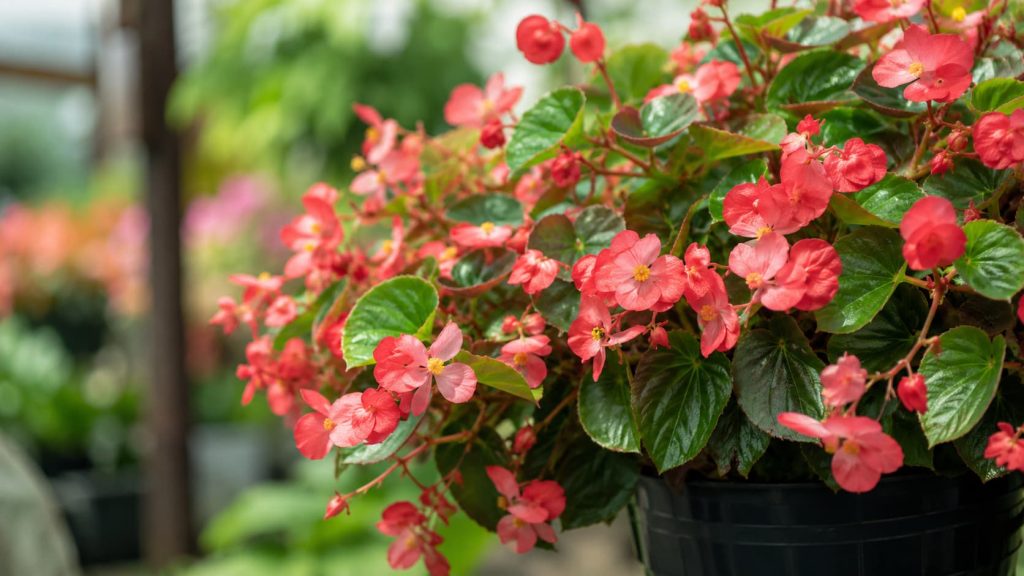
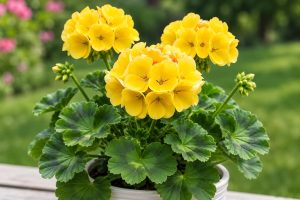
Geranium are popular flowering plants loved for their colorful blooms, long-lasting flowers, and easy-care nature. Available in shades of red, pink, white, purple, and orange, these versatile plants can brighten gardens, balconies, patios, hanging baskets, and indoor containers. Geranium flowers are also an excellent choice for beginners because they can thrive with basic care when provided with suitable sunlight, well-draining soil, and proper watering. With the right growing conditions, geraniums can produce beautiful blooms throughout the growing season and add lasting color to any space.
1. What Are Geranium Flowers?
Geranium is a common name used for flowering plants in the genus Pelargonium, although true geraniums belong to the genus Geranium. Most garden geraniums grown today are actually pelargoniums, which are popular for their colorful flowers and attractive foliage.
Geranium flowers are native to regions of southern Africa and have become widely cultivated because of their adaptability and beautiful appearance. They are commonly grown as annual plants in colder climates and as perennial plants in warmer regions.
These flowers are available in many different varieties, including:
- Zonal geraniums with colorful clusters of flowers and patterned leaves
- Ivy geraniums with trailing stems ideal for hanging baskets
- Scented geraniums with fragrant leaves
- Regal geraniums with large, decorative blooms
Geraniums typically grow between 1 and 3 feet tall, depending on the variety and growing conditions. Their flowers appear in clusters and can bloom continuously from spring through fall when properly cared for.
2. Popular Types of Geraniums to Grow
Choosing the right type of geranium is important because different varieties have different growth habits and care requirements.
Zonal Geraniums
Zonal geraniums are the most common type found in gardens. They have upright growth, rounded leaves, and large flower clusters.
They are excellent choices for:
- Garden borders
- Containers
- Window boxes
- Patio decorations
Popular colors include red, pink, salmon, white, and purple.
Ivy Geraniums
Ivy geraniums have trailing stems and glossy leaves that resemble ivy plants. They are perfect for hanging baskets and containers where their cascading flowers can be displayed.
They prefer slightly more moisture than zonal varieties and look especially attractive when allowed to spill over the edges of pots.
Scented Geraniums
Scented geraniums are grown mainly for their fragrant leaves rather than their flowers. Their foliage can smell like rose, lemon, mint, or other pleasant scents.
They are often used in gardens designed for sensory experiences.
Regal Geraniums
Regal geraniums produce large, showy flowers with unique patterns. They are often grown indoors or in protected outdoor locations because they require slightly more attention.
3. How Much Sunlight Do Geraniums Need?
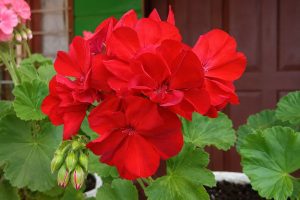
Sunlight is one of the most important factors for growing healthy geranium flowers.
Geraniums generally need:
- 4 to 6 hours of direct sunlight daily
- Bright light throughout the day
- Protection from extreme afternoon heat in very hot climates
When grown in full sun, geraniums usually produce more flowers and stronger growth. However, in areas with very hot summers, too much intense afternoon sunlight may cause leaf stress.
Signs your geranium is not getting enough sunlight include:
- Fewer flowers
- Weak, stretched stems
- Pale green leaves
- Slow growth
If your plant becomes tall and thin, move it to a brighter location where it can receive more sunlight.
For indoor geraniums, place them near a sunny south-facing or west-facing window. Rotate the pot occasionally so the plant grows evenly.
4. Best Soil for Growing Geraniums
Geraniums grow best in loose, well-draining soil. They do not like sitting in waterlogged conditions because excess moisture can cause root problems.
The ideal soil should be:
- Light and airy
- Rich in organic matter
- Well-draining
- Slightly acidic to neutral (pH 6.0–7.0)
A good container soil mix can include:
- High-quality potting soil
- Compost
- Perlite or coarse sand for drainage
Avoid heavy clay soils because they hold too much water and can prevent healthy root development.
When planting geraniums in containers, always choose pots with drainage holes to allow excess water to escape.
5. How to Plant Geranium Flowers
Geraniums are usually planted from nursery plants or cuttings because growing them from seeds takes longer.
Planting Geraniums Outdoors
The best time to plant geraniums outdoors is after the danger of frost has passed and temperatures remain consistently warm.
Follow these steps:
- Choose a sunny planting location.
- Prepare the soil by adding compost if needed.
- Dig a hole slightly larger than the root ball.
- Place the plant at the same depth it was growing in its original container.
- Fill with soil and gently press around the roots.
- Water thoroughly after planting.
Space plants about 8 to 12 inches apart depending on the variety. Proper spacing improves air circulation and reduces disease problems.
Growing Geraniums in Containers
Geraniums are excellent container plants. Choose a pot that is large enough for root growth and has drainage holes.
Container-grown geraniums are ideal for:
- Balconies
- Porches
- Window boxes
- Small gardens
Use fresh potting soil each growing season to provide nutrients and good drainage.
6. How Often Should You Water Geraniums?
Geraniums prefer moderate watering and are more tolerant of dry conditions than overwatering.
The general rule is:
Water when the top 1 to 2 inches of soil feels dry.
During warm weather, container plants may need watering more frequently because pots dry out faster.
Avoid keeping the soil constantly wet because this can lead to:
- Root rot
- Yellow leaves
- Poor flowering
- Fungal diseases
When watering:
- Water deeply at the base of the plant
- Avoid soaking the leaves frequently
- Allow excess water to drain away
Morning watering is usually best because it allows moisture on leaves to dry during the day.
7. Fertilizing Geraniums for More Flowers
Geraniums are heavy bloomers and benefit from regular feeding during the growing season.
A balanced fertilizer can encourage healthy foliage and abundant flowers.
Use a fertilizer with nutrients such as:
- Nitrogen for leaf growth
- Phosphorus for flowers
- Potassium for overall plant health
A liquid fertilizer applied every 2 to 4 weeks during spring and summer can help maintain continuous blooming.
However, avoid excessive nitrogen because it may cause lots of leaves but fewer flowers.
Adding compost or organic matter to the soil can also improve plant health naturally.
8. Pruning and Deadheading Geraniums
Regular maintenance helps geranium plants stay compact, healthy, and productive.
Remove Spent Flowers
Deadheading means removing faded flowers before they form seeds.
Benefits include:
- Encouraging new blooms
- Keeping plants attractive
- Preventing wasted energy
Simply pinch or cut off old flower clusters near the base of the stem.
Prune Overgrown Plants
If your geranium becomes tall or leggy, pruning can encourage bushier growth.
Remove:
- Weak stems
- Yellow leaves
- Damaged branches
For overwintered geraniums, cutting back the plant in spring can stimulate fresh growth.
9. Common Geranium Problems and Solutions
Although geraniums are easy to grow, they can still experience some problems.
Yellow Leaves
Yellow leaves are often caused by:
- Overwatering
- Poor drainage
- Lack of nutrients
Check the soil moisture and adjust your watering schedule.
Few or No Flowers
Common causes include:
- Not enough sunlight
- Too much nitrogen fertilizer
- Lack of pruning
Move the plant to a brighter location and use a flower-supporting fertilizer.
Pests
Geraniums may occasionally attract:
- Aphids
- Whiteflies
- Spider mites
To manage pests:
- Spray plants with water to remove insects
- Remove heavily affected leaves
- Use insecticidal soap when necessary
Fungal Diseases
High humidity and poor air circulation can encourage fungal problems.
Prevent diseases by:
- Avoiding overwatering
- Giving plants enough space
- Removing infected leaves
10. How to Keep Geraniums Blooming All Season
With proper care, geraniums can produce flowers for many months.
To encourage continuous blooming:
- Provide plenty of sunlight
- Deadhead regularly
- Fertilize during the growing season
- Avoid overwatering
- Remove damaged growth
Container plants often bloom more heavily when they receive consistent care because gardeners can easily control their growing conditions.
Conclusion
Geraniums are beautiful, versatile, and easy-to-grow flowers that can brighten almost any garden space. Whether planted in flower beds, containers, or hanging baskets, these colorful blooms reward gardeners with months of beauty when provided with the right care.
By choosing a sunny location, using well-draining soil, watering properly, and removing faded flowers regularly, you can enjoy healthy geranium plants throughout the growing season.
For beginners and experienced gardeners alike, geranium flowers remain one of the best choices for adding long-lasting color and charm to outdoor spaces.
Frequently Asked Questions About Geranium Flowers
Are geraniums easy to grow?
Yes. Geraniums are beginner-friendly plants because they adapt well to different conditions and require simple care to grow successfully.
Do geraniums need full sun?
Geraniums grow best with 4–6 hours of direct sunlight daily. Adequate sunlight helps produce more flowers and stronger growth.
How often should I water geraniums?
Water geraniums when the top 1–2 inches of soil feels dry. Avoid overwatering because wet soil can cause root problems.
Can geraniums grow indoors?
Yes. Geraniums can grow indoors if they receive bright sunlight, good drainage, and proper care.
How long do geranium flowers bloom?
Geraniums can bloom from spring through fall when they receive enough sunlight, nutrients, and regular deadheading.
Do geraniums come back every year?
In warm climates, geraniums can grow as perennials. In colder areas, they need protection during winter or are grown as annual plants.
What is the best soil for geraniums?
Geraniums prefer loose, well-draining soil rich in organic matter with a slightly acidic to neutral pH.
Why are my geranium leaves turning yellow?
Yellow leaves are usually caused by overwatering, poor drainage, or nutrient deficiencies. Adjusting watering habits and improving soil conditions can help.
How can I make geraniums bloom more?
Provide enough sunlight, fertilize during the growing season, remove faded flowers regularly, and avoid keeping the soil too wet.
When is the best time to plant geraniums?
The best time to plant geraniums is after the last frost when temperatures become warm and stable.
Can geraniums grow in pots?
Yes. Geraniums are excellent container plants and grow well in pots, hanging baskets, and window boxes with proper drainage.
How do I prune geraniums?
Remove faded flowers, damaged leaves, and weak stems regularly. Pruning helps maintain a compact shape and encourages new growth.
Do geraniums attract pests?
Geraniums may occasionally attract pests such as aphids, whiteflies, and spider mites. Regular checks can help prevent infestations.
Why are my geraniums not flowering?
Geraniums may fail to bloom because of insufficient sunlight, too much nitrogen fertilizer, overwatering, or lack of pruning. Adjusting these conditions can encourage more flowers.