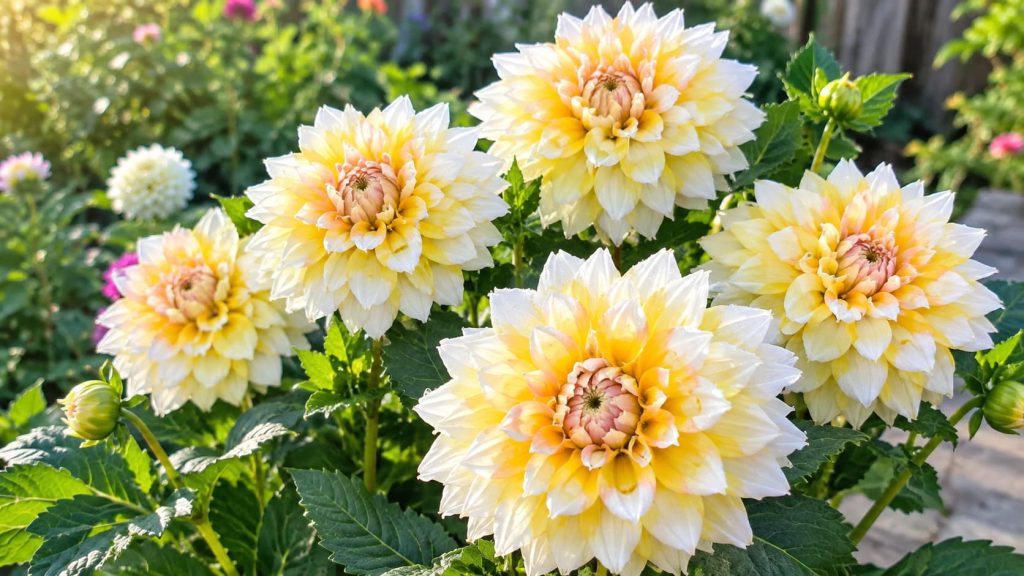
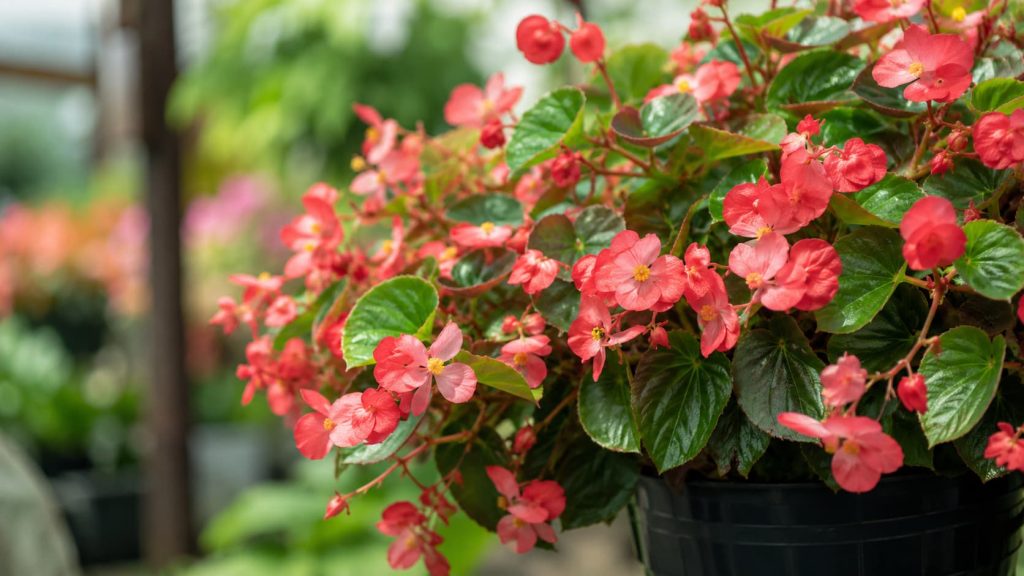
Peony flower is a beautiful, long-lived perennial prized for its large blooms, sweet fragrance, and elegant appearance. Available in many colors and forms, peonies are popular in gardens, bouquets, and landscape designs. These hardy plants are also associated with love, prosperity, honor, romance, and good fortune. With the right sunlight, soil, watering, and seasonal care, peonies can thrive for decades.
This guide covers peony varieties, growing tips, planting, pruning, and peony care to help you enjoy healthy, beautiful blooms each year.

1. What Is a Marigold?
Marigold is the common name for flowering plants belonging primarily to the Tagetes genus, a member of the Asteraceae family. Native to Mexico and Central America, marigolds have spread across the world thanks to their beauty, versatility, and ease of cultivation.
Although many people grow marigolds simply for decoration, these flowers serve several practical purposes. Gardeners often plant them alongside vegetables because their strong scent may help discourage certain insects while attracting beneficial pollinators such as bees and butterflies.
Marigold flowers bloom in warm shades including:
- Bright yellow
- Golden orange
- Deep orange
- Red and mahogany
- Cream and white (certain cultivars)
Depending on the variety, plants can range from compact 6-inch border flowers to tall specimens reaching over 3 feet in height.
Marigolds are generally grown as annuals, completing their life cycle within one growing season. However, in frost-free climates, some varieties may continue blooming for extended periods.
2. Types of Marigold Flowers

There are several popular types of marigolds, each offering unique colors, sizes, and growing habits.
African Marigold (Tagetes erecta)
Despite the name, African marigolds actually originated in Mexico. They are the largest marigold variety and produce huge, round flower heads that can measure up to five inches across.
Characteristics:
- Height: 2–4 feet
- Large pom-pom flowers
- Excellent for garden borders
- Ideal for cut flower arrangements
- Heat tolerant
Popular colors include yellow, gold, orange, and creamy white.
French Marigold (Tagetes patula)
French marigolds are among the most widely grown garden flowers because they remain compact while producing abundant blooms.
Features include:
- Height: 6–18 inches
- Bushy growth
- Continuous flowering
- Excellent container plants
- Suitable for edging pathways
Their flowers often display beautiful combinations of red, orange, yellow, and mahogany.
Signet Marigold (Tagetes tenuifolia)
Signet marigolds differ from other varieties by producing small single flowers and delicate fern-like foliage.
Advantages include:
- Edible flowers
- Citrus-like fragrance
- Attractive to bees
- Fine textured foliage
- Perfect for herb and flower gardens
Many gardeners add the edible petals to salads or use them as colorful garnishes.
Triploid Marigolds
Triploid marigolds are hybrids created by crossing African and French marigolds.
Benefits include:
- Extremely vigorous growth
- Long-lasting blooms
- Better weather resistance
- Large flowers
- Sterile blooms that keep flowering continuously
These hybrids are excellent choices for landscapes that experience hot summers.
3. Benefits and Symbolism of Marigolds

Marigolds offer much more than colorful flowers. Their practical uses and cultural significance have made them popular for centuries.
Brighten Any Garden
One of the biggest reasons gardeners love marigolds is their ability to provide months of vibrant color.
Their warm golden tones pair beautifully with vegetables, herbs, roses, lavender, salvia, and many other flowering plants.
Because they bloom continuously, marigolds help keep gardens lively throughout the growing season.
Attract Pollinators
Marigold flowers attract:
- Bees
- Butterflies
- Hoverflies
- Beneficial insects
These pollinators improve the health and productivity of vegetable gardens by increasing pollination rates.
Companion Planting Benefits
Marigolds are widely used in companion planting.
Gardeners commonly grow them near:
- Tomatoes
- Peppers
- Cucumbers
- Beans
- Squash
- Lettuce
Their distinctive scent may help reduce certain insect activity while encouraging beneficial insects to visit the garden.
Easy for Beginners
Marigolds are one of the easiest flowering plants to grow because they:
- Germinate quickly
- Grow rapidly
- Tolerate heat
- Require little fertilizer
- Bloom for months
- Recover well after pruning
Even beginner gardeners can enjoy beautiful flowers with minimal effort.
Symbolism of Marigold Flowers
Across different cultures, marigolds symbolize:
- Happiness
- Warmth
- Optimism
- Prosperity
- Celebration
- Protection
- Creativity
- Positive energy
In many countries, marigolds are also associated with remembrance and are used in traditional festivals and celebrations.
Their bright golden blooms are often considered symbols of sunshine and good fortune.
4. How to Grow Marigolds
Growing marigolds is simple, making them ideal for gardeners of all experience levels.
Choose the Right Location
Marigolds grow best in locations that receive:
- At least 6–8 hours of direct sunlight daily
- Good air circulation
- Well-drained soil
- Moderate fertility
Although they tolerate partial shade, full sun produces the strongest stems and the most abundant flowers.
Prepare the Soil
Marigolds prefer soil that is:
- Loose
- Well-draining
- Slightly acidic to neutral (pH 6.0–7.0)
- Rich in organic matter
Before planting, mix compost into the soil to improve drainage and provide slow-release nutrients.
Avoid heavy clay soil that remains wet after rain, as excessive moisture can lead to root problems.
Planting Seeds
Marigold seeds are among the easiest flower seeds to germinate.
To sow seeds:
- Plant after the danger of frost has passed.
- Sow seeds about ¼ inch deep.
- Space seeds 8–18 inches apart depending on the variety.
- Water gently after planting.
- Keep the soil lightly moist until seedlings emerge.
Under warm conditions, seeds usually germinate within 5–10 days.
Transplanting Seedlings
If purchasing young plants from a garden center:
- Dig a hole slightly larger than the root ball.
- Place the seedling at the same depth as it was growing in the pot.
- Backfill with soil.
- Water thoroughly.
- Apply mulch to retain moisture while keeping it away from the stem.
Water After Planting
Newly planted marigolds should be watered regularly until their roots become established.
Once mature, marigolds are fairly drought tolerant and usually require watering only when the top inch of soil feels dry.
Deep watering once or twice a week is generally better than frequent shallow watering, as it encourages stronger root development.
Encourage Continuous Blooms
To enjoy flowers throughout the season:
- Remove faded blooms regularly.
- Avoid excessive nitrogen fertilizer.
- Provide plenty of sunlight.
- Water consistently but do not overwater.
- Trim leggy stems occasionally to encourage bushier growth.
With proper care, marigolds will continue producing fresh flowers from early summer until frost.
5. How to Care for Marigold Flowers
Once established, Marigolds require very little maintenance. With the right care, these cheerful flowers will bloom continuously from early summer until the first frost.
Water Properly
Marigolds are relatively drought tolerant once mature, but they still need consistent watering during hot weather.
Follow these watering tips:
- Water deeply once or twice a week.
- Allow the top inch of soil to dry between waterings.
- Water at the base of the plant rather than overhead.
- Avoid soggy soil, which can lead to root rot.
Container-grown marigolds dry out faster than those planted in the ground and may require more frequent watering during summer.
Provide Plenty of Sunlight
Marigolds thrive in full sun and produce the most flowers when they receive at least 6–8 hours of direct sunlight each day.
Too much shade can result in:
- Fewer flowers
- Taller, weaker stems
- Slower growth
- Increased risk of fungal diseases
If possible, choose the sunniest location in your garden for the healthiest plants.
Fertilize Lightly
Unlike many flowering plants, marigolds do not need heavy feeding.
A balanced slow-release fertilizer applied at planting is usually enough for the season.
Avoid fertilizers high in nitrogen because they encourage leafy growth instead of flowers.
If your soil is already fertile, marigolds may not require additional fertilizer at all.
Deadhead Regularly
Removing faded flowers, also known as deadheading, encourages the plant to produce new blooms.
Simply pinch or cut off spent flowers just above the next set of leaves.
Benefits include:
- Longer blooming season
- Cleaner appearance
- More flower buds
- Healthier plants
Deadheading every week keeps marigolds blooming continuously.
Mulch Around Plants
Applying a thin layer of organic mulch helps:
- Retain soil moisture
- Reduce weeds
- Keep roots cool
- Improve soil over time
Keep mulch a few inches away from the stem to prevent moisture buildup around the base of the plant.
Prune If Necessary
By midsummer, some marigolds may become leggy.
Trim back long stems by one-third to encourage bushier growth and another flush of flowers.
Pruning also improves air circulation and reduces disease problems.
6. Common Problems and Solutions
Although marigolds are hardy plants, they may occasionally experience a few issues.
Powdery Mildew
Symptoms include:
- White powder on leaves
- Yellowing foliage
- Reduced flowering
Solution:
- Improve air circulation.
- Avoid overhead watering.
- Remove infected leaves.
- Water early in the morning.
Root Rot
Overwatering is the most common cause of root rot.
Signs include:
- Wilting despite wet soil
- Soft stems
- Yellow leaves
- Blackened roots
Solution:
- Improve soil drainage.
- Water less frequently.
- Avoid planting in waterlogged areas.
Aphids
Aphids are tiny insects that feed on new growth.
Symptoms:
- Curled leaves
- Sticky residue
- Distorted flower buds
Solution:
- Spray plants with a strong stream of water.
- Encourage ladybugs and lacewings.
- Apply insecticidal soap if necessary.
Spider Mites
Spider mites thrive in hot, dry weather.
Watch for:
- Tiny webs
- Speckled leaves
- Dry foliage
Solution:
- Increase humidity around plants.
- Rinse leaves regularly.
- Remove severely affected foliage.
Slugs and Snails
Young marigold seedlings can attract slugs.
Protect plants by:
- Hand-picking pests.
- Using barriers around seedlings.
- Watering in the morning so soil dries before night.
Poor Flowering
If your marigolds have lots of leaves but few flowers, possible causes include:
- Too much nitrogen fertilizer
- Too much shade
- Overwatering
- Failure to deadhead
Providing more sunlight and removing old blooms usually restores flowering quickly.
7. How to Harvest Marigold Seeds
Saving marigold seeds is an easy way to grow new plants the following season.
Step 1: Let Flowers Dry Naturally
Choose healthy flowers and allow them to remain on the plant until they become completely brown and dry.
Do not remove flowers too early.
Step 2: Collect the Seed Heads
Cut the dried flower heads and place them in a paper bag.
Allow them to finish drying indoors for several days if necessary.
Step 3: Remove the Seeds
Open each flower head carefully.
Marigold seeds are:
- Long
- Thin
- Black with cream-colored tips
Separate the seeds from the dried petals.
Step 4: Store Properly
Store seeds in:
- Paper envelopes
- Small glass jars
- Airtight containers
Keep them in a cool, dry, dark location until the next planting season.
Properly stored marigold seeds can remain viable for 2–4 years.
Final Thoughts
Frequently Asked Questions About Marigolds
Are marigolds easy to grow?
Yes. Marigolds are one of the easiest flowering plants to grow, making them perfect for beginners. They germinate quickly, thrive in full sun, and require minimal maintenance.
How much sunlight do marigolds need?
Marigolds grow best in 6–8 hours of direct sunlight each day. Full sun encourages stronger growth and more abundant blooms.
How often should I water marigolds?
Water marigolds when the top inch of soil feels dry. Established plants typically need deep watering once or twice a week, depending on the weather.
Do marigolds come back every year?
Most garden marigolds are grown as annuals, meaning they complete their life cycle in one season. However, they readily self-seed, and you can also save seeds to plant the following year.
Can marigolds be grown in pots?
Absolutely. Marigolds grow very well in containers as long as the pot has good drainage and receives plenty of sunlight. French marigolds are especially popular for container gardening.