Philodendron is one of the most popular tropical houseplants for indoor gardening. Known for its attractive foliage, flexible growth habits, and relatively easy care, it can bring a lush, tropical feel to living rooms, offices, bedrooms, and other indoor spaces.
Depending on the variety, a philodendron may grow as a climbing vine, a trailing plant, or a more upright specimen. Its leaves can also vary considerably in shape, size, texture, and color, making this large plant group especially interesting for houseplant enthusiasts.
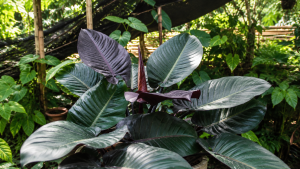
If you are thinking about growing a philodendron at home, understanding its light, watering, soil, humidity, and general care needs will help you keep the plant healthy and encourage new growth.
What Is a Philodendron?
Philodendron is a large genus of tropical plants in the Araceae family. Most philodendrons are native to tropical regions of Central and South America, where they grow in warm and humid environments.
The name Philodendron comes from Greek words associated with a love of trees. This is especially appropriate for climbing species, which naturally use trees and other structures for support as they grow.
Philodendrons are known primarily for their foliage. Depending on the species or cultivar, the leaves may be heart-shaped, elongated, deeply lobed, or divided. Some varieties have solid green leaves, while others are prized for unusual colors or variegated patterns.
Many philodendrons are grown as houseplants because they can adapt well to typical indoor conditions when provided with suitable light, moisture, and warmth.
How to Identify a Philodendron
Philodendrons can look very different from one variety to another, but several characteristics can help you recognize them.
The leaves are usually the most noticeable feature. Many popular varieties have broad, heart-shaped leaves, while others develop large, deeply divided or lobed foliage.
Growth habit is another useful clue. Some philodendrons produce long stems that naturally trail over the edge of a container. Others are climbing plants that benefit from a moss pole, trellis, or another form of support.
Upright varieties tend to develop a more compact structure, with leaves emerging from a central growing point.
The color of the foliage can also vary. Most common varieties have green leaves, while certain cultivars may display cream, yellow, pink, red, or other distinctive patterns.
Because philodendrons include many different species and cultivars, identification is often easiest when you consider the leaf shape, growth habit, color, and mature size together.
How to Grow and Care for Philodendron
Philodendrons are generally adaptable houseplants, but providing the right growing conditions will help them produce stronger and healthier foliage.
Choosing the Right Location
Choose a warm indoor location with plenty of bright, indirect light.
A spot near a window can work well as long as the plant is protected from strong direct sunlight for extended periods. Intense afternoon sunlight can scorch delicate foliage, especially when it passes directly through glass.
Avoid placing a philodendron directly beside heating vents, air conditioners, or drafty doors and windows. Stable indoor conditions are usually better for tropical plants.
If the plant is growing slowly or producing unusually small new leaves, insufficient light may be one factor to consider.
Choosing Soil and a Pot
Philodendrons prefer a loose, well-draining growing medium that provides both moisture and air around the roots.
A quality indoor potting mix can work well. Adding perlite and chunky organic material such as orchid bark can improve drainage and create a more open texture.
The container should always have drainage holes at the bottom.
Avoid choosing a pot that is much larger than the root system. Excess soil can retain moisture for too long, increasing the risk of root problems.
Watering Philodendron
Watering should be based on the condition of the soil rather than a strict calendar.
Check the upper layer of soil before watering. If it still feels noticeably moist, give it more time to dry. When the upper portion has dried, water thoroughly until excess water drains from the bottom of the pot.
Do not allow the plant to sit in standing water.
Philodendrons generally handle slightly drier conditions better than constantly saturated soil. Overwatering is one of the most common problems that can affect indoor plants, so checking the soil before watering is an important habit.
During periods of active growth, the plant may use water more quickly. In cooler or darker conditions, the soil may remain moist for longer.
Light Requirements
Bright, indirect light is generally ideal for philodendrons.
A location close to a bright window can provide enough light for healthy growth without exposing the foliage to intense direct sunlight.
Green varieties can often tolerate lower light, although growth may become slower. Variegated philodendrons generally benefit from brighter indirect light to help maintain their leaf patterns.
If the plant begins leaning strongly toward one direction, rotating the container occasionally can help provide more even exposure.
Humidity
Philodendrons are tropical plants and generally appreciate moderate to high humidity.
Many can adapt to ordinary household conditions, but very dry air may contribute to brown leaf edges or slower growth.
If your indoor air is particularly dry, a humidifier can help create a more comfortable environment. Good air circulation is also important, especially when humidity is high.
There is no need to make the environment excessively humid if the plant is already growing well under normal indoor conditions.
Fertilizing
Philodendrons benefit from nutrients during active growth.
A balanced houseplant fertilizer can be applied according to the product’s instructions during spring and summer. There is generally no need to fertilize every time you water.
If growth slows during winter, first consider changes in light, temperature, and watering before increasing fertilizer.
Too much fertilizer can cause salt buildup in the soil and may damage the roots, so more fertilizer is not necessarily better.
Repotting Philodendron
A philodendron does not need to be repotted frequently.
Check the root system when roots begin growing through the drainage holes, the soil dries unusually quickly, or the plant appears to have outgrown its container.
When repotting, choose a container only slightly larger than the existing one. Move the plant into fresh, well-draining soil and water it thoroughly afterward.
Spring is often a convenient time to repot because many philodendrons enter a period of stronger growth during the warmer months.
Pruning Philodendron
Pruning can help maintain the shape of a philodendron and control excessive growth.
Remove yellow, damaged, or dead leaves using clean scissors. For climbing or trailing varieties, you can also shorten stems that have become too long or uneven.
If you want a fuller appearance, regular light pruning can encourage new growth along the remaining stems.
Healthy cuttings can also be used for propagation rather than discarded.
Propagating Philodendron From Cuttings
Many philodendrons can be propagated from stem cuttings.
Select a healthy section of stem containing at least one node. The node is important because it is where new roots can develop.
The cutting can be rooted in water or placed directly into a suitable moist growing medium.
If using water propagation, keep the node below the water while keeping most of the foliage above the surface. Place the cutting in bright, indirect light and change the water regularly.
Once a healthy root system has developed, the new plant can be transferred to an appropriate potting mix.
Popular Philodendron Varieties
One of the most interesting things about philodendrons is the variety of forms available to growers.
Some popular types include:
- Heartleaf Philodendron
- Philodendron Brasil
- Philodendron Birkin
- Philodendron Micans
- Philodendron Pink Princess
- Philodendron Rojo Congo
- Philodendron Xanadu
These varieties can differ significantly in leaf shape, color, mature size, and growth habit.
Before purchasing a philodendron, it is useful to consider how much space you have and whether you prefer a trailing, climbing, or upright plant.
The Decorative Value of Philodendron
Philodendrons are especially versatile indoor plants because their different growth habits allow them to work in many spaces.
Trailing varieties can spill naturally from hanging baskets or shelves. Climbing varieties can be trained upward on a support, while upright types can become attractive focal points in larger rooms.
Their tropical foliage can also complement a wide range of interior styles.
A small philodendron may fit comfortably on a desk or shelf, while larger varieties can become substantial statement plants as they mature.
Practical Philodendron Care Tips
One of the simplest ways to care for a philodendron is to observe the plant rather than following a rigid schedule.
Check the soil before watering, pay attention to new growth, and watch how the leaves respond to changes in light.
A few useful habits include:
- Provide bright, indirect light.
- Let excess water drain completely.
- Avoid keeping the soil constantly wet.
- Use a container with drainage holes.
- Rotate the plant occasionally for more even growth.
- Remove damaged or yellowing leaves.
- Clean dusty foliage from time to time.
- Avoid excessive fertilizer.
- Give climbing varieties suitable support.
Small adjustments to light and watering are often more useful than making several changes at once.
Common Pests and Problems
Philodendrons are relatively resilient, but they can still experience common indoor plant problems.
Yellow Leaves
An occasional yellow leaf can simply be an older leaf reaching the end of its natural life.
However, if many leaves begin turning yellow at once, check the soil moisture and drainage.
Constantly wet soil can be a warning sign that the plant is receiving too much water or that the growing medium is not draining properly.
Brown Leaf Tips
Brown leaf tips may be associated with dry indoor air, inconsistent watering, excessive direct sunlight, or other environmental stress.
Check the plant’s location and soil moisture before making major changes to its care routine.
Drooping Leaves
Drooping leaves can occur when the plant needs water, but they can also appear when the roots are stressed by excessively wet soil.
Always check the soil before watering. Adding more water to already saturated soil can make the problem worse.
Root Problems
Poor drainage and frequent overwatering can create unfavorable conditions around the roots.
A pot with drainage holes, a loose growing medium, and sensible watering can help reduce this risk.
If the soil remains wet for a very long time, review the container size, soil texture, and watering routine.
Common Pests
Philodendrons can occasionally attract pests such as mealybugs, scale, spider mites, and aphids.
Check the undersides of leaves, stems, and new growth regularly. Early detection makes pest problems easier to manage.
When bringing a new houseplant into your collection, inspecting it carefully before placing it near other plants is a useful precaution.
Philodendrons are easy to grow, but plant owners should also be aware of their safety considerations. Read our guide to Philodendron toxicity to learn what makes the plant toxic and how to keep it safely around children and pets.
Final Thoughts
Philodendron is an excellent choice for indoor gardeners who want attractive tropical foliage without an overly complicated care routine.
Although different varieties have different appearances and growth habits, the basic requirements are fairly straightforward: provide bright indirect light, use well-draining soil, water according to soil moisture, and maintain a warm growing environment.
With consistent care, a philodendron can become a long-lasting and eye-catching part of your indoor plant collection.
Philodendron FAQ
Is philodendron easy to grow indoors?
Yes. Many philodendron varieties are relatively easy to grow indoors and can adapt to typical household conditions when provided with suitable light, watering, and drainage.
How often should I water a philodendron?
There is no universal watering schedule. Check the soil first and water when the upper portion has dried rather than watering automatically on a fixed schedule.
Can philodendron grow in low light?
Many philodendrons can tolerate lower-light conditions, but growth may become slower. Bright, indirect light generally provides better conditions for healthy growth.
Does philodendron need a moss pole?
Not every philodendron needs a moss pole. Climbing varieties can benefit from a moss pole, trellis, or another support, while trailing and upright varieties may not require one.
How do I make my philodendron grow fuller?
Provide sufficient indirect light and prune excessively long or sparse stems. Healthy cuttings can also be propagated and planted back into the same container to create a fuller appearance.
Can I grow philodendron from a cutting?
Yes. Many philodendrons can be propagated from stem cuttings containing at least one healthy node. The cutting can be rooted in water or a suitable growing medium.
How fast does a philodendron grow?
Growth speed depends on the species, variety, light, temperature, watering, nutrients, and overall growing conditions. Healthy plants generally grow more actively during warm, bright periods.
Garden Guide Hub