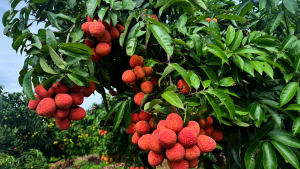
Lychee fruit is a delicious tropical fruit known for its rough red skin, juicy white flesh, sweet flavor, and delicate floral aroma. Also known as litchi, this exotic fruit has been enjoyed for centuries and is now popular around the world.
Fresh lychees are especially popular during the warm summer months. They can be eaten straight from the peel or used to make refreshing drinks, fruit salads, desserts, smoothies, and other creative dishes.
Besides its delicious taste, lychee fruit provides important nutrients, including vitamin C, fiber, and various plant compounds. Adding lychees to a balanced diet can be a delicious way to enjoy more fruit.
In this article, we’ll explore what lychee fruit is, its nutrition and potential health benefits, how to eat and store it, and some delicious recipes you can make with fresh lychees.
What Is Lychee Fruit?
Lychee fruit comes from the Litchi chinensis tree, a tropical and subtropical fruit tree belonging to the soapberry family.
The fruit is easy to recognize because of its distinctive appearance. A ripe lychee usually has rough red or pinkish-red skin. Inside the skin is translucent white flesh that is juicy, soft, and naturally sweet. In the center is one large seed that should be removed before eating.
The outer skin and seed are not normally eaten. The white flesh is the edible part of the fruit.
Lychee is believed to have originated in southern China and has been cultivated for thousands of years. Today, lychee trees are grown in many warm regions, particularly throughout Asia and in suitable tropical and subtropical areas around the world.
Vietnam is also well known for its delicious lychees. Vietnamese lychees, especially those grown in northern fruit-growing regions, are prized for their fragrant aroma, juicy flesh, and naturally sweet flavor.
The taste of fresh lychee is unique. It has a combination of sweetness, floral fragrance, and refreshing juiciness. Because of its distinctive flavor, lychee has become a popular ingredient in both traditional Asian cuisine and modern desserts and beverages.

Lychee Fruit Nutrition
Lychee fruit is a naturally sweet fruit that contains water, carbohydrates, dietary fiber, vitamin C, and several minerals.
One of the most notable nutrients in fresh lychees is vitamin C. This essential vitamin plays an important role in normal immune function and collagen production.
Lychees also provide smaller amounts of nutrients such as potassium, copper, vitamin B6, folate, and magnesium.
The nutritional profile can vary depending on the serving size and how the fruit is prepared. Fresh lychees contain a significant amount of water, while dried lychees are more concentrated. Canned lychees may also contain added sugar if they are packed in syrup.
Some of the nutrients found in lychee fruit include:
- Vitamin C
- Dietary fiber
- Potassium
- Copper
- Vitamin B6
- Folate
- Magnesium
- Natural carbohydrates
Because lychees are naturally sweet, they can be enjoyed as a fresh snack or incorporated into a balanced meal. Fresh lychee is generally a better choice than heavily sweetened canned versions when you want to enjoy the natural flavor of the fruit.

Health Benefits of Lychee Fruit
Rich in Vitamin C
Lychee fruit is a good source of vitamin C, an essential nutrient that supports normal immune system function.
Vitamin C also plays a role in collagen production. Collagen is an important protein found throughout the body and contributes to the normal structure of skin, bones, cartilage, and connective tissues.
Including vitamin C-rich foods such as fruits and vegetables in a varied diet can help support overall nutritional health.
Provides Antioxidant Compounds
Lychees contain various plant compounds with antioxidant properties.
Antioxidants help protect cells from oxidative stress caused by free radicals. Fruits and vegetables contain a wide variety of naturally occurring plant compounds, which is one reason why eating a diverse range of produce is encouraged as part of a healthy eating pattern.
Lychee fruit can be one enjoyable addition to a diet that includes a variety of colorful fruits and vegetables.
May Support Digestive Health
Fresh lychees contain dietary fiber, which is important for normal digestive function.
Fiber can help support regular bowel movements and contributes to a healthy eating pattern. Eating lychees along with other fiber-rich foods, including vegetables, whole grains, beans, and other fruits, can help increase overall dietary fiber intake.
Supports Normal Skin Health
The vitamin C in lychee fruit contributes to normal collagen production.
Collagen is an important structural protein in the skin. Getting enough vitamin C from foods such as fruits and vegetables can support normal skin health as part of a balanced diet.
However, no single food can provide all the nutrients needed for healthy skin. A varied diet is the best approach.
Provides Essential Minerals
Lychee fruit contains minerals such as potassium and copper.
Potassium is an essential mineral involved in normal muscle function, nerve signaling, and fluid balance. Copper also contributes to several important functions in the body.
Although lychees are not a major source of every nutrient, they can contribute to overall nutrient variety when included as part of a balanced diet.
A Refreshing Fruit for Summer
Fresh lychees are naturally juicy and contain a high amount of water, making them a refreshing fruit to enjoy during warm weather.
Chilled lychees can be eaten as a simple snack or added to cold drinks, smoothies, fruit salads, and desserts.
How to Eat Lychee Fruit
Eating fresh lychee is simple.
First, wash the fruit under clean running water. Use your fingers to peel away the rough outer skin. Once the skin is removed, you will see the juicy white flesh.
Remove the large seed from the center before eating.
The easiest way to enjoy lychee is to eat the flesh fresh and chilled. You can place the fruit in the refrigerator before serving for a refreshing summer snack.
Lychee can also be combined with other tropical fruits, including mango, pineapple, dragon fruit, passion fruit, and coconut.
For a simple snack, serve peeled lychees in a bowl with strawberries, blueberries, or kiwi. You can also add fresh mint and a little lime juice for extra flavor.

Delicious Lychee Fruit Recipes
Lychee Fruit Salad
Lychee fruit salad is one of the easiest ways to enjoy fresh lychees.
Combine peeled and seeded lychees with mango, pineapple, dragon fruit, strawberries, kiwi, and blueberries.
Add a little fresh lime juice and mint leaves. The combination of sweet lychee and slightly tart fruits creates a refreshing tropical salad that is perfect for summer.
Lychee Smoothie
A lychee smoothie is a delicious and refreshing drink.
Blend fresh or frozen lychee with banana, pineapple, coconut water, and ice. You can also add plain yogurt for a creamier texture.
Because lychees are naturally sweet, you may not need to add extra sugar.
Lychee Iced Tea
Lychee iced tea is a popular way to enjoy the fruit on a hot day.
Prepare black tea or green tea and allow it to cool. Add fresh lychees or unsweetened lychee juice, then serve over ice.
For additional flavor, add lemon, lime, or fresh mint.
Lychee Sorbet
Lychee sorbet is a light and refreshing frozen dessert.
Blend peeled lychees with a small amount of lime juice. Add a little sweetener only if necessary.
Freeze the mixture and process it again to create a smooth and refreshing sorbet.
Lychee and Coconut Dessert
Lychee and coconut are a delicious tropical combination.
Serve fresh lychees with coconut milk, coconut yogurt, or coconut cream. Add mango and toasted coconut flakes for an extra tropical flavor.
This simple dessert is perfect for warm summer days.
Lychee Jelly
Lychee jelly can be made with fresh lychee flesh or lychee juice.
The floral sweetness of lychee pairs beautifully with a soft jelly texture. Serve it chilled as a dessert or add small pieces of lychee jelly to cold drinks.
Lychee Salsa
For a more creative recipe, try making lychee salsa.
Chop fresh lychees and combine them with cucumber, red bell pepper, cilantro, and fresh lime juice.
For a slightly spicy flavor, add a small amount of chili pepper.
This sweet and refreshing salsa can be served as a side dish or paired with grilled foods.
Lychee Dessert Cups
Layer chopped lychees with yogurt, granola, and fresh berries to create simple individual dessert cups.
For a tropical version, add mango, coconut flakes, and passion fruit.
These dessert cups are easy to prepare and can be served at parties, family gatherings, or summer meals.
How to Choose Fresh Lychees
When buying fresh lychee fruit, choose fruit that looks fresh and has intact skin.
Depending on the variety, ripe lychees may have red, pink, or reddish-brown skin. Some natural discoloration can occur after harvesting, so skin color alone does not always determine freshness.
Avoid fruit that has excessive mold, severe damage, or an unusually dried-out appearance.
Fresh lychees are highly perishable, so it is best to buy fruit that you plan to enjoy within a reasonable amount of time.
How to Store Lychee Fruit
Fresh lychees should generally be stored in the refrigerator to help maintain their freshness and quality.
Place the fruit in a breathable produce bag or container and keep it refrigerated.
Before eating, wash the fruit thoroughly under clean running water.
If you have more lychees than you can eat fresh, you can peel and remove the seeds before freezing the flesh in an airtight container.
Frozen lychees can be used later in smoothies, sorbets, desserts, and refreshing drinks.
Fresh Lychee vs. Canned Lychee
Fresh and canned lychees are both convenient ways to enjoy this tropical fruit, but there are some differences.
Fresh lychees typically have a firmer texture, stronger floral aroma, and more vibrant natural flavor.
Canned lychees are softer and convenient for cooking and desserts. However, many canned lychees are packed in syrup, which can add extra sugar.
If you are buying canned lychees, check the ingredient list and nutrition facts label. Options packed in water or natural juice may contain less added sugar than those packed in heavy syrup.
When available, fresh lychee is an excellent choice for enjoying the fruit’s natural taste and texture.
Are Lychees Good for You?
Yes, lychee fruit can be part of a healthy and balanced diet.
Fresh lychees provide vitamin C, dietary fiber, water, and various plant compounds. They are also a naturally sweet fruit that can be enjoyed as an alternative to highly processed desserts.
However, lychees contain natural sugars and carbohydrates, so portion size can still matter, especially for people who need to monitor their carbohydrate intake.
It is also important to remember that fresh lychee and canned lychee in sweetened syrup are not nutritionally identical.
The best approach is to enjoy lychees as part of a varied diet that includes different types of fruits, vegetables, whole grains, protein sources, and healthy fats.
Final Thoughts
Lychee fruit is a delicious tropical fruit with a unique combination of sweet flavor, floral aroma, and juicy texture.
It provides vitamin C, dietary fiber, and other nutrients that can contribute to a balanced diet. Fresh lychees are delicious on their own, but they can also be used to create a wide variety of recipes.
From tropical fruit salads and refreshing smoothies to lychee iced tea, sorbet, jelly, coconut desserts, and fruit salsa, there are many creative ways to enjoy this flavorful fruit.
If you enjoy tropical fruits, fresh lychee is definitely worth trying. Its refreshing taste makes it an excellent choice for summer snacks, drinks, desserts, and special meals.
Frequently Asked Questions About Lychee Fruit
Is lychee fruit good for you?
Yes. Fresh lychee can be part of a balanced diet and provides nutrients such as vitamin C and dietary fiber.
What does lychee fruit taste like?
Lychee has a naturally sweet, juicy flavor with delicate floral notes. Its taste is unique and refreshing.
Can you eat lychee skin?
The rough outer skin is generally removed before eating. The white flesh inside is the edible portion.
Can you eat lychee seeds?
No. The large seed in the center should be removed before eating the fruit.
What are the benefits of eating lychee fruit?
Lychee provides vitamin C, fiber, water, and plant compounds. It can contribute to a varied and balanced diet.
What can I make with lychee fruit?
You can make lychee fruit salad, smoothies, iced tea, sorbet, jelly, coconut desserts, fruit salsa, and many other tropical dishes.
How do you store fresh lychees?
Fresh lychees should generally be refrigerated. You can also peel and seed them before freezing for longer-term storage.
Is fresh lychee better than canned lychee?
Fresh lychee usually has a firmer texture and more vibrant flavor. Canned lychee is convenient but may contain added sugar, especially when packed in syrup.