Lychee is more than just a delicious summer fruit. It provides vitamin C, water, carbohydrates, and several beneficial plant compounds. For gardeners, it is also an interesting tropical and subtropical fruit tree that can be grown successfully when given the right conditions.

Whether you want to learn about lychee benefits, understand its nutrition, grow your own tree, or simply know the best way to eat and store fresh fruit, this guide covers the essentials.
What Is Lychee?
Lychee (Litchi chinensis) is a tropical fruit from the soapberry family. It has rough red or pink skin that protects soft, juicy white flesh with a sweet, floral flavor. Each lychee contains one large seed that should not be eaten.
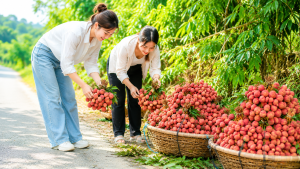
Lychee originated in southern China and is now grown in many warm regions, including Vietnam. Vietnamese lychees are especially known for their fragrant aroma, juicy texture, and natural sweetness. They are often enjoyed fresh, in desserts, or as a refreshing summer fruit.
Lychee Nutrition Facts
Lychee is a relatively light fruit that provides plenty of water and natural carbohydrates. It is particularly well known for its vitamin C content, making it an easy way to add more fruit and nutrients to your everyday diet.
The exact nutritional values can vary depending on the variety and ripeness of the fruit, but the following table gives a general idea of the nutrients found in 100 grams of edible lychee flesh.
| Nutrient | Amount per 100 g |
|---|---|
| Calories | About 66 kcal |
| Carbohydrates | About 16.5 g |
| Protein | About 0.8 g |
| Fat | About 0.4 g |
| Fiber | About 1.3 g |
| Vitamin C | About 71.5 mg |
| Potassium | About 171 mg |
| Water | About 81.8 g |
Because lychee is naturally sweet, it can be enjoyed as a simple snack when you want something refreshing. It also works beautifully in fruit salads, smoothies, desserts, and chilled drinks.
Lychee Benefits

Rich in Vitamin C
One of the most notable benefits of lychee is its vitamin C content. Vitamin C plays an important role in normal immune function and also acts as an antioxidant in the body.
Adding fresh fruits such as lychee to a balanced diet is a simple way to increase your intake of vitamin C. A serving of ripe lychee can be particularly refreshing during warm weather when juicy fruits are often more appealing.
Provides Antioxidants
Lychee contains vitamin C and other naturally occurring plant compounds with antioxidant properties. Antioxidants help protect cells from oxidative stress caused by unstable molecules in the body.
This does not make lychee a miracle food, but it does make the fruit a nutritious addition to a varied diet that includes plenty of fruits and vegetables.
Helps Support Hydration
One reason fresh lychee feels so refreshing is its high water content. Eating water-rich fruits can contribute to overall fluid intake, especially during hot summer months.
Of course, fruit should not replace drinking enough water, but adding juicy fruits such as lychee to your meals can be a pleasant way to stay hydrated throughout the day.
Contains Dietary Fiber
Lychee provides a modest amount of dietary fiber. Fiber is an important part of a balanced diet and helps support normal digestive health.
While lychee is not among the highest-fiber fruits, it can still contribute to your daily fiber intake when enjoyed alongside other fruits, vegetables, whole grains, beans, and nuts.
A Naturally Sweet Fruit
There is no need to add sugar to make ripe lychee taste good. Its natural sweetness and floral aroma make it enjoyable on its own.
You can eat it chilled straight from the refrigerator, add it to a fruit salad, or use it to bring a naturally sweet flavor to homemade desserts and drinks.

How to Grow Lychee
Growing a lychee tree can be incredibly rewarding, especially when you eventually pick your own fruit from a tree you have cared for over the years. However, lychee is not a fruit tree that thrives in every climate.
It prefers warm conditions, plenty of sunlight, good air circulation, and well-drained soil. Young trees also need consistent care while they are becoming established.
Growing Lychee From Air Layering
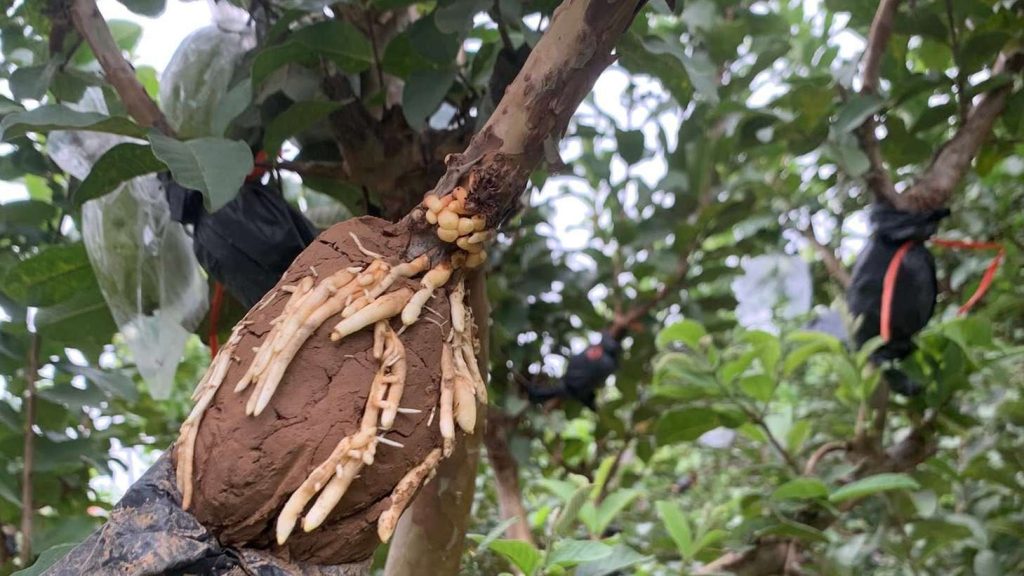
Air layering, also called marcotting, is a popular method for propagating lychee trees. The biggest advantage is that the new plant comes from a mature branch of an existing tree, so it retains the characteristics of the parent plant.
Choose a healthy branch that is neither extremely young nor overly old. A section of bark is carefully removed, and the exposed area is surrounded with a moist rooting medium such as sphagnum moss. The area is then wrapped to maintain moisture.
Over time, roots develop around the wounded section. Once a strong root system has formed, the branch can be cut from the parent tree and planted separately.
This method requires patience, but it can be an excellent option for gardeners who want to reproduce a healthy lychee tree with good-quality fruit.
Choose the Right Soil
Lychee trees prefer loose, fertile soil that drains well. The roots should have access to moisture without sitting in water for long periods.
Before planting, improve poor soil with well-rotted organic matter. If your garden has heavy clay soil or tends to stay wet after rain, improve drainage before planting the tree.
Good drainage is especially important because constantly waterlogged soil can stress the roots and increase the risk of root problems.
Give the Tree Plenty of Sunlight
Lychee trees grow best when they receive plenty of sunlight. Choose a location where the tree can enjoy several hours of direct sun each day.
A sunny position also helps the tree produce healthy growth and supports flowering and fruit development. Avoid planting too close to buildings or other large trees that may eventually block the light.
Remember that a lychee tree can become quite large, so give it enough room to grow naturally. Good spacing also improves airflow around the canopy.
Water Carefully
Young lychee trees need regular watering while their roots are becoming established. The soil should remain consistently moist, but it should never stay waterlogged.
As the tree matures, adjust watering according to the weather and soil conditions. During hot or dry periods, the tree may need additional water, while rainy seasons may require much less.
One of the easiest mistakes for new gardeners is watering too frequently. Instead of following a strict schedule, check the soil and observe the tree. Water deeply when necessary, then allow excess water to drain away.
Fertilize for Healthy Growth
Lychee trees benefit from a balanced supply of nutrients. Organic compost or well-rotted manure can help improve soil quality, while a suitable fruit-tree fertilizer can provide additional nutrients when needed.
Avoid excessive nitrogen. Too much nitrogen can encourage vigorous leafy growth without necessarily helping the tree produce flowers and fruit.
The best fertilizing schedule depends on the tree’s age, soil fertility, and local growing conditions. Young trees generally need support for healthy vegetative growth, while mature fruiting trees require a more carefully balanced feeding program.
Common Lychee Pests and Diseases
Like most fruit trees, lychee can experience problems with insects and diseases. Common pests may include aphids, mealybugs, scale insects, and various leaf-feeding or sap-sucking insects.
These pests can damage young shoots, leaves, and developing fruit. Regularly checking the underside of leaves and inspecting new growth can help you spot problems before they become severe.
Fungal diseases can also become an issue when conditions are overly wet or the tree has poor air circulation. Waterlogged soil, excessive humidity, and dense foliage can create favorable conditions for disease.
Good garden hygiene is one of the best places to start. Remove badly affected plant material, keep weeds under control, avoid unnecessary overhead watering, and prune carefully to improve airflow.
If you notice an infestation, identify the pest or disease before choosing a treatment. Early detection is usually much easier to manage than waiting until the entire tree is affected.
How to Tell When Lychee Is Ripe
Knowing when lychee is ripe is important because the fruit does not continue to improve significantly after harvesting.
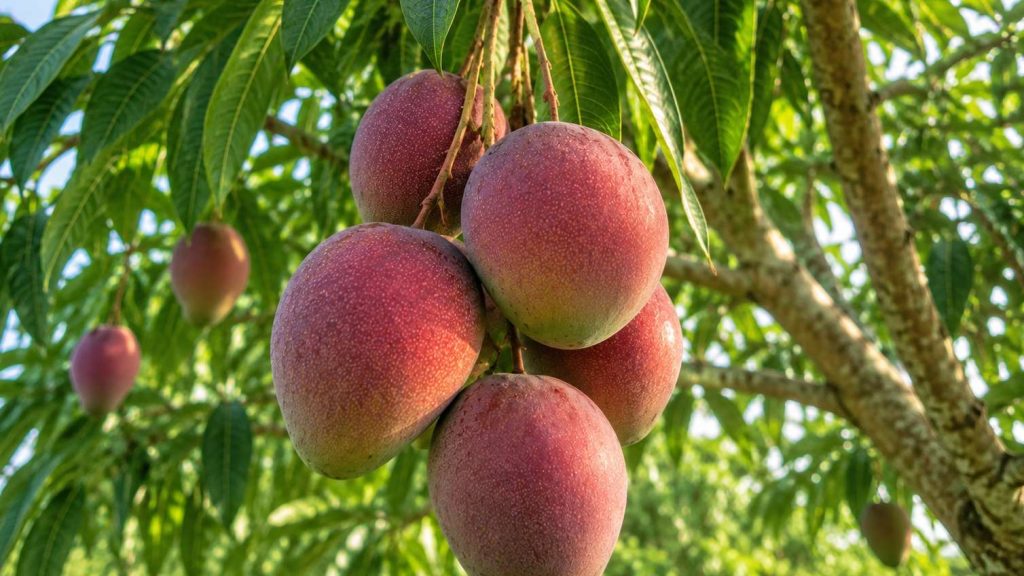
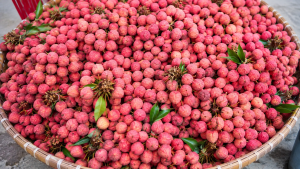
Depending on the variety, ripe lychees often develop attractive red, pink, or reddish skin. The fruit should look full and well-developed, with a pleasant fragrance and firm but juicy flesh inside.
The best way to judge ripeness is to consider the overall appearance of the fruit rather than relying on color alone. Some varieties naturally remain more greenish or pink even when ready to eat.
If you have access to a lychee tree, tasting one fruit is often the simplest test. A ripe lychee should have juicy flesh and a naturally sweet, fragrant flavor.
How to Eat Lychee
Eating fresh lychee is wonderfully simple.
Start by washing the fruit under clean running water. Then gently peel away the rough outer skin using your fingers or a small knife. Inside, you will find the soft, translucent white flesh surrounding a single large seed.
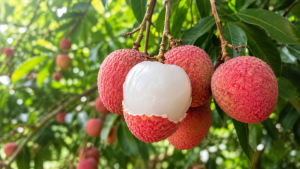
Remove the seed before eating the fruit.
Fresh lychee is delicious straight from the refrigerator, especially on a hot day. You can also add peeled lychees to fruit salads, desserts, smoothies, or chilled drinks.
For a simple summer treat, combine lychee with other fresh fruits and serve everything cold. The floral sweetness of lychee pairs particularly well with citrus, berries, melon, and tropical fruits.
One important point to remember is that the large seed inside the fruit should not be eaten.
How to Store Lychee
Fresh lychee is best enjoyed soon after purchase or harvest. At room temperature, the skin can gradually become dry and lose its attractive appearance.
For better storage, place fresh lychees in the refrigerator. Keeping them cool can help slow quality loss and preserve their juicy texture for longer.
If you have more lychees than you can eat fresh, freezing is another option. Peel the fruit, remove the seeds, and place the flesh in a suitable airtight container or freezer bag.
Frozen lychee can later be used in smoothies, desserts, or cold drinks. Although the texture may change slightly after freezing and thawing, the sweet flavor can still be enjoyable.
Frequently Asked Questions About Lychee
Is lychee good for you?
Lychee can be part of a healthy, balanced diet. It provides vitamin C, water, natural carbohydrates, a small amount of fiber, and antioxidant plant compounds.
Can you grow lychee from a seed?
Yes, but growing lychee from seed is usually not the best choice if your goal is to get fruit quickly or reproduce a tree with known fruit quality. Seed-grown trees can take many years to mature and may produce fruit that differs from the parent tree.
Is air layering good for lychee?
Yes. Air layering is a useful propagation method for lychee because the new plant comes from a mature branch and retains the characteristics of the parent tree. It can also produce a fruiting tree sooner than growing from seed.
Does lychee need full sun?
Lychee trees generally grow best in a sunny location with plenty of direct light. Good sunlight supports healthy growth and helps the tree flower and produce fruit.
Can you eat lychee seeds?
No. The seed should be removed and discarded before eating the fruit.
Can you freeze fresh lychee?
Yes. Peel the fruit, remove the seed, and freeze the flesh in an airtight container. Frozen lychee is especially useful for smoothies, desserts, and refreshing drinks.
Final Thoughts on Lychee
Lychee is one of those fruits that feels like a small taste of summer. Its rough skin may not reveal much at first, but inside is a delicate, juicy fruit with a beautiful floral sweetness.
Beyond its flavor, lychee provides vitamin C, water, and other nutrients that make it a refreshing addition to a balanced diet. And if you have the right warm climate, growing your own lychee tree can turn that simple summer pleasure into something even more rewarding.
For gardeners, starting with a healthy tree propagated by air layering can be a practical way to grow a plant with known fruit characteristics. Give it sunlight, well-drained soil, careful watering, and regular attention to pests and diseases, and with time, your tree may reward you with clusters of fresh fruit to enjoy at home.
GardenGuideHub.com