If you are learning how to grow dragon fruit, understanding when and how much to water is essential. A simple watering schedule, combined with well-drained soil and good observation, can help dragon fruit develop healthy roots, vigorous stems, flowers, and fruit.
How Much Water Does Dragon Fruit Need?
Dragon fruit does not need constantly wet soil. Its roots prefer a balance between moisture and good drainage.
The amount of water required depends on several factors:
- Plant age and size
- Weather and temperature
- Soil type
- Container or ground planting
- Rainfall
- Stage of growth
- Drainage conditions
Young dragon fruit plants generally need more frequent attention because their root systems are still developing. Mature plants can tolerate short dry periods once their roots are well established.
A good rule is to water deeply when the soil has started to dry rather than giving the plant a small amount of water every day.
Dragon Fruit Watering Schedule
There is no single schedule that works for every garden. Weather and soil conditions should always guide your watering.
During Warm, Dry Weather
In hot and dry conditions, dragon fruit may need watering about 1–2 times per week. Sandy or very fast-draining soil may require more frequent watering.
Instead of following the calendar blindly, check the soil before watering. If the upper few inches of soil feel dry, it is usually time to water.
During extremely hot weather, container-grown dragon fruit may dry out faster than plants growing in the ground.
During Cooler Weather
Dragon fruit usually requires less water when temperatures are cooler and growth slows.
Watering may be reduced to approximately once every 1–2 weeks, depending on rainfall and soil moisture. If the soil remains damp, wait before watering again.
The goal is to prevent the roots from sitting in continuously wet soil.
During the Rainy Season
Natural rainfall may provide most or all of the water dragon fruit needs.
Check the planting area after heavy rain. If water remains around the roots for a long period, improve drainage rather than adding more irrigation.
Raised planting areas, well-drained soil, and drainage holes in containers can help prevent excessive moisture.
How to Water Dragon Fruit Correctly
The best technique is to water slowly and deeply around the root zone.
Apply water near the base of the plant and allow it to soak into the soil. Avoid creating standing water around the stem.
For plants growing in containers, continue watering until a small amount of water drains from the bottom. This helps moisten the root area more evenly.
For plants growing in the ground, water deeply enough to reach the main root zone rather than lightly wetting only the surface.
After watering, allow the soil to partially dry before watering again.
When Is the Best Time to Water?
Early morning is generally the best time to water dragon fruit.
Morning watering gives the plant access to moisture during the warmer part of the day while allowing excess moisture on the plant and surrounding soil to dry.
Late afternoon can also work when necessary. However, avoid keeping the stems and surrounding soil unnecessarily wet overnight.
During very hot weather, checking plants in the morning can help you identify signs of water stress before temperatures become extreme.
Watering Young Dragon Fruit Plants
Young plants need careful watering while they establish their roots.
After planting, keep the soil moderately moist but never waterlogged. Water when the soil begins to dry rather than allowing it to remain saturated.
As the plant becomes established, gradually allow the soil to dry between watering sessions.
A common mistake is giving young dragon fruit small amounts of water every day. This can keep the surface constantly wet without encouraging a healthy moisture cycle deeper in the soil.
Deep, occasional watering is usually more useful than frequent shallow watering.
Watering Mature Dragon Fruit Plants
Mature dragon fruit plants are more tolerant of dry conditions.
Once established, they can usually handle periods without irrigation, especially when grown in well-drained soil. However, adequate water is important during periods of active growth and fruit development.
When plants are flowering and producing fruit, avoid allowing them to experience prolonged severe drought. Consistent moisture can support healthy growth and fruit development.
At the same time, do not assume that more water means more fruit. Excessive moisture can create unfavorable root conditions and weaken the plant.
Watering Dragon Fruit in Containers
Container-grown dragon fruit often requires closer monitoring than plants grown in the ground.
Containers can dry out quickly, especially when exposed to direct sunlight and hot temperatures.
Check the soil regularly by inserting your finger a few inches below the surface. If it feels noticeably dry, water thoroughly.
Always use a container with drainage holes. A pot without adequate drainage can allow water to accumulate around the roots.
A well-draining growing medium is also important because dragon fruit does not perform well in constantly saturated soil.
Signs of Underwatering
Dragon fruit can show several signs when it does not receive enough moisture.
Possible symptoms include:
- Slower stem growth
- Soft or less vigorous stems
- Drooping growth
- Poor flower development
- Smaller fruit
- Soil becoming extremely dry and hard
One dry period does not necessarily mean the plant is in serious trouble. However, repeated severe drought can reduce growth and affect fruit production.
If the soil is very dry, water thoroughly and allow the moisture to penetrate the root zone.
Signs of Overwatering
Overwatering is one of the more common problems when growing dragon fruit.
Warning signs can include:
- Soil that stays wet for a long time
- Poor or slow growth
- Yellowing or unhealthy-looking plant tissue
- Weak roots
- Stem problems near constantly wet soil
- Unpleasant-smelling or poorly drained soil
If the planting area remains wet, reduce irrigation and investigate the drainage.
Do not simply add more fertilizer to a struggling plant. First determine whether the root environment is healthy.
How Soil Affects Watering
Soil type has a major influence on how often dragon fruit needs water.
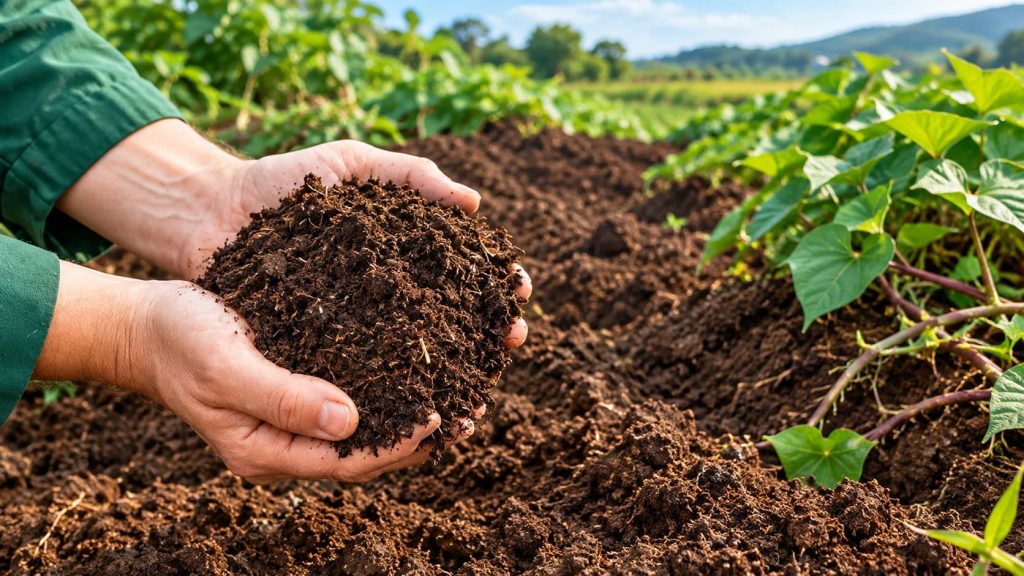
Sandy soil drains quickly and may require more frequent irrigation. Heavy soil can retain moisture for longer and therefore requires more caution.
The ideal growing environment should provide both moisture retention and good drainage.
Adding suitable organic matter can improve soil structure, while raised beds can be useful in areas where drainage is poor.
For container growing, use a well-draining medium rather than ordinary garden soil alone.
Watering During Flowering and Fruit Development
Water management becomes especially important when dragon fruit begins flowering and producing fruit.
The plant needs sufficient moisture to maintain active growth, but the roots should not remain saturated.
During dry weather, monitor the soil more frequently. If the plant is producing flowers or fruit and the soil becomes excessively dry, provide a thorough watering.
Consistent care is generally better than alternating between severe drought and excessive watering.
Simple Dragon Fruit Watering Routine
A practical routine is easy to follow:
1. Check the soil.
Feel the soil several inches below the surface.
2. Water when it begins to dry.
Do not wait until the plant shows severe stress.
3. Water deeply.
Allow moisture to reach the main root zone.
4. Check drainage.
Make sure excess water can escape.
5. Adjust for weather.
Water more during hot, dry periods and less during cool or rainy weather.
6. Monitor the plant.
Use growth, soil moisture, and overall plant condition to adjust your schedule.
Final Thoughts
Watering dragon fruit does not have to be complicated. The key is to provide enough moisture for healthy growth while allowing the soil to drain and partially dry between watering sessions.
Young plants need more regular monitoring, while established plants can tolerate periods of dryness. During hot weather, flowering, and fruit development, pay closer attention to soil moisture.
If you are learning how to grow dragon fruit, mastering watering is an important step toward producing vigorous plants and a healthy fruit crop. Combine proper irrigation with good sunlight, well-drained soil, suitable support, pruning, and balanced nutrition for the best results.