Dragon fruit is a tropical fruit known for its bright pink or yellow skin, green scales, and refreshing flesh dotted with tiny black seeds. Also called pitaya, it grows on a climbing cactus rather than a traditional fruit tree.
Depending on the variety, the flesh may be white, pink, red, or deep magenta. The fruit has a mild, slightly sweet flavor and can be enjoyed fresh, blended into drinks, or added to fruit salads.

What Is Dragon Fruit?
Dragon fruit, or pitaya, is the edible fruit of several climbing cactus species in the genus Selenicereus. The plants have long, fleshy, three-sided stems that climb on supports and can grow several feet long.
The fruit has a distinctive appearance. Its outer skin is usually bright pink or yellow, while the green scales give it a dragon-like look.
The flesh contains many small black seeds that are soft and edible. White-fleshed and red-fleshed types are among the most common varieties.
Dragon fruit grows best in warm conditions, bright sunlight, and well-drained soil. Because the plant is a climbing cactus, a strong trellis or support is useful for keeping the stems upright and making care and harvesting easier.
Dragon Fruit Nutrition
Dragon fruit is a refreshing fruit that can fit easily into a varied diet. It contains water, carbohydrates, fiber, vitamins, minerals, and naturally occurring plant compounds.
The exact nutritional profile can vary depending on the variety and growing conditions.
Its flesh and small seeds can both be eaten. The seeds provide some healthy fats, while the fruit also contributes dietary fiber.
Red- and purple-fleshed varieties contain naturally occurring pigments called betalains. Research has found differences in antioxidant activity among dragon fruit varieties, with some colored-flesh varieties showing higher antioxidant activity than white-fleshed types.
Health Benefits of Dragon Fruit
Adding dragon fruit to a balanced diet can provide several nutritional benefits.
Supports Digestive Health
Dragon fruit provides dietary fiber, which helps support normal digestion and regular bowel movements.
Eating a variety of fiber-rich fruits, vegetables, whole grains, and other plant foods is a simple way to support overall digestive health.
Provides Antioxidant Compounds
Dragon fruit contains naturally occurring antioxidant compounds. Red- and purple-fleshed varieties can contain betalain pigments, which contribute to their distinctive color.
Adds Vitamin C to the Diet
Dragon fruit contains vitamin C, an essential nutrient that helps support normal immune function and collagen formation.
Helps Add Variety to Your Diet
Dragon fruit has a mild flavor and can be used in many different ways. Adding different fruits to meals can make a balanced eating pattern more enjoyable and varied.

How to Eat Dragon Fruit
Dragon fruit is very easy to prepare.
Start by washing the outside of the fruit. Cut it in half lengthwise, then scoop out the flesh with a spoon.
You can also peel away the skin and cut the flesh into cubes.
Try dragon fruit:
- Fresh as a simple snack
- In fruit salads
- With yogurt and granola
- Blended into smoothies
- Added to chilled drinks
- Frozen and blended into desserts
The tiny black seeds are soft and edible, so there is no need to remove them.
How to Choose a Ripe Dragon Fruit
A ripe dragon fruit should have bright, attractive skin and scales that still look reasonably fresh.
Look for fruit that feels slightly firm but gives a little when gently pressed. Avoid fruit with large soft spots, leaking areas, or extensive bruising.
Color is also useful when choosing dragon fruit. A mature fruit generally develops its characteristic skin color rather than remaining mostly green.
Unlike some fruits, dragon fruit does not continue to ripen dramatically after harvest, so choosing mature fruit is important for good flavor and quality.
How to Grow Dragon Fruit
Dragon fruit is relatively easy to grow in warm climates when its basic needs are met.
Choose the Right Location
Select a sunny location with good air circulation. Dragon fruit grows best in warm conditions and performs well with plenty of bright light.
If a plant has been growing in partial shade, increase sunlight gradually to reduce the risk of sunburn.
Use Well-Drained Soil
Good drainage is essential.
Dragon fruit is a cactus, so constantly wet soil can cause problems with the roots and stems. A well-drained soil mix with organic matter is generally a better choice than heavy, poorly drained soil.
Provide Strong Support
Dragon fruit naturally climbs and produces long, heavy stems. A sturdy trellis or post helps support the plant and makes pruning, flowering, and harvesting easier.
A support system around 6–7 feet tall is commonly recommended for productive plants.
Water Carefully
Water regularly during active growth, but avoid keeping the soil saturated.
During dry periods, consistent moisture can help the plant grow and produce fruit. Too much water, especially when drainage is poor, can contribute to flower drop and fruit problems.
Prune for Better Growth
Pruning helps keep dragon fruit manageable and improves light and airflow within the plant.
Train the main stem upward toward the support. Once the plant reaches the top, allow healthy branches to spread outward.
After harvest, remove selected old, damaged, or overcrowded stems to maintain a productive canopy.
Grow From Cuttings
Stem cuttings are a practical way to propagate dragon fruit.
Healthy mature cuttings can be allowed to callus before being planted in well-drained growing media. Dragon fruit generally roots readily from cuttings under suitable conditions.
How to Grow Dragon Fruit for More Fruit
To grow dragon fruit with more fruit, choose a sunny location with 6–8 hours of direct sunlight each day.
Use well-drained soil and a strong support structure to help the plant develop healthy branches. Water regularly, but avoid soggy soil.
During active growth, apply balanced fertilizer. When flower buds appear, provide more potassium and phosphorus to support flowering and fruit production.
Prune weak, damaged, and overcrowded stems to improve airflow and encourage fruiting branches. Good pollination is also important for better fruit set and higher yields.
Learn how to pollinate dragon fruit by hand and improve your chances of getting healthy fruit.
When Does Dragon Fruit Produce Fruit?
The time to fruiting depends on the variety, propagation method, climate, and growing conditions.
Plants grown from healthy cuttings can sometimes produce fruit relatively quickly compared with plants started from seed.
Good sunlight, adequate nutrition, proper pruning, and a suitable support system can all help create better conditions for flowering and fruit production.
Dragon fruit flowers are large and often open at night. Some varieties can benefit from hand pollination, particularly when natural pollinators are not providing sufficient pollination.
When to Harvest Dragon Fruit
Dragon fruit should generally be harvested when the fruit has developed its characteristic color and looks mature.
Use clean hand pruners to cut the fruit from the plant rather than pulling it off.
Harvesting carefully helps prevent damage to both the fruit and the plant. Well-colored, mature fruit is preferred for eating and storage.
How to Store Dragon Fruit
Fresh dragon fruit can be kept at room temperature for a short period.
For longer storage, refrigeration is a better option. Properly stored fruit can last for several weeks depending on its maturity and storage conditions.
Keep the fruit dry and avoid crushing it with heavier produce.
For the best eating quality, use fruit while the flesh is still firm and fresh.
Easy Ways to Use Dragon Fruit
Dragon fruit works well in both simple and creative recipes.
You can cube fresh dragon fruit and combine it with strawberries, kiwi, mango, pineapple, or other favorite fruits.
It can also be blended into smoothies for a naturally colorful drink.

Other easy ideas include:
- Dragon fruit yogurt bowls
- Fresh fruit salad
- Smoothies
- Frozen fruit desserts
- Homemade juice
- Dragon fruit salsa
- Chilled breakfast bowls
The mild flavor makes dragon fruit easy to combine with sweeter or more tart fruits.
Dragon Fruit Varieties
Dragon fruit comes in several types, and the flesh color is one of the easiest ways to tell them apart.
White-Fleshed Dragon Fruit
White-fleshed varieties usually have pink or red skin with green scales. The flesh is light-colored and contains many small black seeds.
Red-Fleshed Dragon Fruit
Red-fleshed types have deeper-colored pulp and can range from pink to red or magenta. Some varieties contain higher levels of naturally occurring antioxidant pigments than white-fleshed types.
Yellow Dragon Fruit
Yellow dragon fruit has yellow skin and lighter-colored flesh. It is another popular type of pitaya and can have a sweeter flavor than some common white-fleshed varieties.

Dragon Fruit vs. Other Tropical Fruits
Dragon fruit stands out because of its unusual appearance and cactus growth habit.
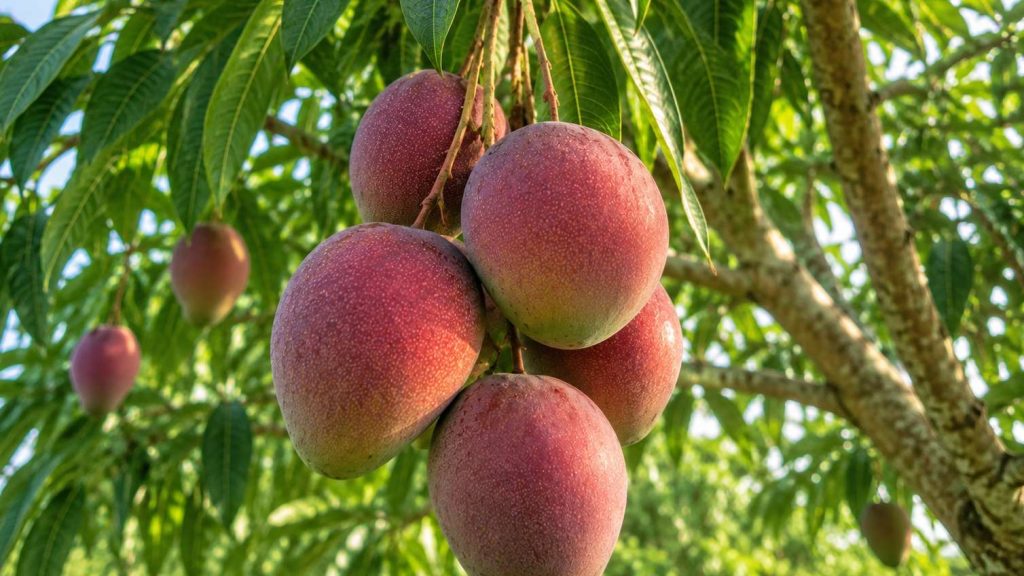
Unlike mangoes, papayas, and many other tropical fruits, dragon fruit grows on climbing cactus stems rather than a conventional tree.
Its flavor is also relatively mild. This makes it useful in fruit salads, smoothies, yogurt bowls, and other recipes where you want color without an overpowering taste.
Interesting Facts About Dragon Fruit
- Dragon fruit is also called pitaya or pitahaya.
- It grows on climbing cactus plants.
- The stems are fleshy and usually have three sides.
- The flowers can be very large and open at night.
- The tiny black seeds are edible.
- The flesh can be white, pink, red, or magenta depending on the variety.
- Dragon fruit grows best in warm climates.
- Strong support helps the plant grow in a manageable form.
- Stem cuttings are commonly used for propagation.
- Mature fruit should be harvested when it has developed good color.
Conclusion
Dragon fruit is a unique tropical fruit that combines an unusual appearance with a mild, refreshing flavor. Its edible flesh and tiny seeds make it easy to prepare, while its colorful varieties provide plenty of options for fresh meals and drinks.
For gardeners, dragon fruit can also be an interesting addition to a warm-climate garden. With full sun, well-drained soil, careful watering, pruning, and strong support, the plant can grow vigorously and produce attractive fruit.
FAQ About Dragon Fruit
Is dragon fruit a cactus?
Yes. Dragon fruit comes from climbing cactus plants in the genus Selenicereus. Its fleshy stems are adapted to warm environments and can climb supports as they grow.
What does dragon fruit taste like?
Dragon fruit usually has a mild, slightly sweet flavor. The taste can vary between varieties, with some types being noticeably sweeter than others.
Can you eat dragon fruit seeds?
Yes. The tiny black seeds inside dragon fruit are soft and edible. They can be eaten together with the flesh.
Is dragon fruit easy to grow?
Dragon fruit can be relatively easy to grow in warm climates when it receives enough sunlight and is planted in well-drained soil. A sturdy support system is also important because the plant produces long climbing stems.
How long does it take for dragon fruit to produce fruit?
The timing varies by variety and growing method. Plants propagated from cuttings can begin producing fruit sooner than plants grown from seed when conditions are favorable.
Can dragon fruit be grown in a pot?
Yes. Dragon fruit can be grown in a large container if it has good drainage, enough sunlight, and a strong trellis or support. Container-grown plants still need room for their roots and climbing stems.
How do you know when dragon fruit is ripe?
Look for fruit that has developed its characteristic skin color and appears mature and well-colored. The fruit should be firm with a slight amount of give rather than extremely hard or overly soft.