Chanh dây là một loại trái cây nhiệt đới nhỏ, nổi tiếng với vẻ ngoài độc đáo, hương thơm nồng nàn và vị chua ngọt đặc trưng. Với lớp vỏ màu tím nhăn nheo hoặc màu vàng mịn màng và phần thịt mọng nước chứa đầy hạt đen giòn, chanh dây vừa ngon miệng lại vừa có vẻ ngoài khác biệt. Có thể thưởng thức chanh dây tươi, thêm vào sinh tố, trộn vào các món tráng miệng hoặc dùng để làm đồ uống giải khát và nước sốt thơm ngon.

Ngoài hương vị thơm ngon, chanh dây còn là một loại trái cây giàu dinh dưỡng, chứa chất xơ, vitamin C, các hợp chất liên quan đến vitamin A và nhiều hợp chất thực vật tự nhiên khác. Sự kết hợp độc đáo giữa vị ngọt và chua khiến nó trở thành một nguyên liệu đa năng cho các món salad trái cây, sữa chua, món tráng miệng, đồ uống và các công thức nấu ăn tại nhà.
Cây chanh dây cũng là một loại cây thú vị dành cho những người làm vườn tại nhà. Trong điều kiện thích hợp, cây chanh dây có thể phát triển mạnh mẽ và cho ra những bông hoa đẹp mắt trước khi kết trái ngon. Với đủ ánh nắng mặt trời, nhiệt độ ấm áp, giá đỡ phù hợp và đất thoát nước tốt, trồng chanh dây tại nhà có thể là một dự án làm vườn bổ ích.
Trong hướng dẫn đầy đủ này, bạn sẽ tìm hiểu chanh dây là gì, nó đến từ đâu, các loại chanh dây khác nhau, giá trị dinh dưỡng và lợi ích tiềm năng của nó, cách chọn và ăn, và cách trồng chanh dây tại nhà.
Table of Contents
- 1. Chanh dây là gì?
- 2. Quả chanh dây đến từ đâu?
- 3. Chanh dây có vị như thế nào?
- 4. Các loại chanh dây
- 5. Passion Fruit Nutrition
- 6. Potential Health Benefits of Passion Fruit
- 7. How to Choose Ripe Passion Fruit
- 8. How to Eat Passion Fruit
- 9. Easy Passion Fruit Smoothie Recipe
- 10. How to Store Passion Fruit
- 11. How to Grow Passion Fruit at Home
- 12. Passion Fruit Flowers
- 13. How Long Does Passion Fruit Take to Produce Fruit?
- 14. Growing Passion Fruit From Cuttings
- 15. Growing Passion Fruit From Seeds
- 16. Common Problems When Growing Passion Fruit
- 17. Is Passion Fruit Good for You?
- 18. Passion Fruit vs. Other Tropical Fruits
- 19. Frequently Asked Questions About Passion Fruit
- Can You Eat Passion Fruit Seeds?
- Can You Eat Passion Fruit Skin?
- How Do You Know When Passion Fruit Is Ripe?
- Is Passion Fruit Sweet or Sour?
- Can You Grow Passion Fruit in a Container?
- Does Passion Fruit Need Full Sun?
- How Often Should You Water Passion Fruit?
- How Long Does It Take to Grow Passion Fruit?
- Do Passion Fruit Flowers Need Pollination?
- 20. Final Thoughts on Passion Fruit
1. Chanh dây là gì?
Chanh dây là quả ăn được của một số loài dây leo có hoa thuộc chi Passiflora . Những cây này là những loài leo mạnh mẽ, cho ra những bông hoa đặc sắc nhất thường thấy trong các khu vườn nhiệt đới và cận nhiệt đới.
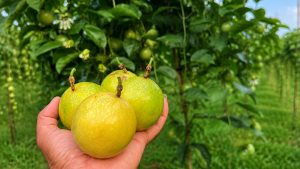
Quả thường có hình tròn hoặc bầu dục và màu sắc khác nhau tùy thuộc vào giống. Một số quả chanh dây có vỏ màu tím đậm, trong khi những quả khác có vỏ màu vàng, vàng kim hoặc vàng lục.
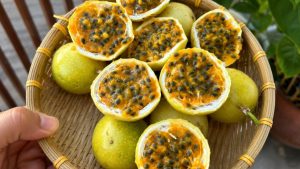
Bên trong quả là phần thịt quả mọng nước chứa nhiều hạt nhỏ màu đen, giòn. Cả phần thịt và hạt đều ăn được.
Hương vị của chanh dây là một trong những đặc điểm dễ nhận biết nhất của nó. Chanh dây thường có vị ngọt, chua nhẹ và hơi chát, với hương thơm nhiệt đới nồng nàn. Sự kết hợp giữa phần thịt quả mọng nước và hạt giòn tạo nên kết cấu khác biệt so với nhiều loại trái cây thường được ăn khác.
Chanh dây có thể ăn trực tiếp từ vỏ hoặc dùng làm nguyên liệu trong nhiều món ăn khác nhau. Nó đặc biệt phổ biến trong sinh tố, nước ép, món tráng miệng, nước sốt và các món trái cây trộn.
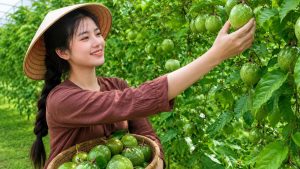
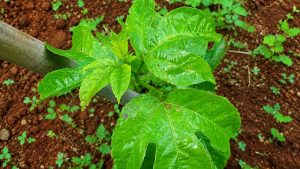
Cây chanh dây tự nó cũng rất hấp dẫn. Nó phát triển như một loại dây leo và có thể lan rộng nhanh chóng khi được cung cấp điều kiện sinh trưởng thích hợp. Do đặc tính sinh trưởng mạnh mẽ này, cây cần một giàn leo chắc chắn, hàng rào, mái hiên hoặc cấu trúc hỗ trợ khác.

2. Quả chanh dây đến từ đâu?
Chanh dây có nguồn gốc từ các vùng nhiệt đới và cận nhiệt đới của châu Mỹ. Loại cây này có lịch sử trồng trọt và sử dụng lâu đời ở nhiều vùng khác nhau, nơi có nhiệt độ ấm áp cho phép nó phát triển tốt.
Theo thời gian, chanh dây đã được du nhập đến nhiều nơi khác trên thế giới. Ngày nay, nó được trồng ở nhiều vùng ấm áp thuộc Nam Mỹ, Trung Mỹ, Châu Phi, Châu Á, Úc và các khu vực nhiệt đới và cận nhiệt đới khác.
Cây chanh dây thường ưa thời tiết ấm áp, nhiều ánh nắng mặt trời và đất thoát nước tốt. Ở những vùng khí hậu thích hợp, cây chanh dây có thể phát triển nhanh chóng và cho quả trong suốt mùa sinh trưởng.
Vì cây chanh dây rất nhạy cảm với nhiệt độ lạnh, nên những người làm vườn ở vùng khí hậu lạnh hơn có thể cần trồng chúng trong chậu hoặc che chắn bảo vệ chúng trong những tháng lạnh.
Sản lượng chanh dây có thể thay đổi đáng kể tùy thuộc vào giống và khí hậu địa phương. Một số giống thích nghi tốt hơn với điều kiện nhiệt đới, trong khi những giống khác có thể chịu được môi trường hơi lạnh hơn.
Đối với những người làm vườn tại nhà, việc lựa chọn giống cây phù hợp với khí hậu địa phương là một trong những bước quan trọng nhất để trồng trọt thành công.
3. Chanh dây có vị như thế nào?
Chanh dây có hương vị đặc trưng, khó có thể so sánh trực tiếp với các loại trái cây khác.
Hương vị thường là sự kết hợp giữa vị ngọt và vị chua. Một số giống có vị tương đối ngọt, trong khi những giống khác lại có vị chua mạnh hơn.
Phần thịt quả mọng nước, thơm nồng, trong khi những hạt nhỏ màu đen tạo nên độ giòn ngon miệng.
Chanh dây chín thường có mùi thơm nồng hơn chanh dây chưa chín. Hương thơm nhiệt đới nồng nàn là một trong những lý do khiến loại quả này rất được ưa chuộng trong các loại đồ uống và món tráng miệng.
Chanh dây đặc biệt hợp với các loại trái cây nhiệt đới khác như xoài, dứa, đu đủ và dừa. Nó cũng có thể tạo ra sự tương phản tươi mát với các nguyên liệu béo ngậy như sữa chua, kem và bánh phô mai.
Vì chanh dây có hương vị đậm đà, chỉ cần một lượng nhỏ thịt quả cũng có thể tạo nên hương vị nhiệt đới rõ rệt cho món ăn.
4. Các loại chanh dây
Có nhiều loại chanh dây, nhưng các giống màu tím và vàng là những loại được biết đến phổ biến nhất.
Chanh dây tím
Chanh dây tím có vỏ màu tím sẫm khi chín. Vỏ có thể hơi nhăn lại khi quả chín hoàn toàn.
Bên trong quả có phần thịt màu vàng cam mọng nước và nhiều hạt nhỏ màu đen.
Chanh dây tím thường được biết đến với hương vị ngọt ngào và thơm nồng. Có thể ăn tươi hoặc dùng trong sinh tố, món tráng miệng, đồ uống, nước sốt và salad trái cây.
Mặc dù quả có kích thước tương đối nhỏ, nhưng hương vị của nó lại đậm đà và đặc trưng.
Chanh dây vàng
Chanh dây vàng thường có lớp vỏ màu vàng hoặc vàng óng khi chín.
So với một số giống chanh dây tím, chanh dây vàng có thể có vị chua và gắt hơn.
Cây chanh dây vàng cũng được nhiều người làm vườn ưa chuộng vì chúng có thể phát triển mạnh mẽ trong điều kiện khí hậu ấm áp.
Bạn có thể thưởng thức loại quả này theo nhiều cách tương tự như quả chanh dây tím. Nó rất phù hợp trong các món ăn tươi, nước ép, sinh tố, nước sốt và các món tráng miệng.
Granadilla khổng lồ
Giant granadilla is another member of the Passiflora family. As its name suggests, it produces much larger fruits than common passion fruit varieties.
The fruit has sweet, aromatic pulp and can be eaten fresh or incorporated into different recipes.
Although it may not be as widely available as purple or yellow passion fruit, giant granadilla can be an interesting choice for gardeners who enjoy growing unusual fruiting plants.
5. Passion Fruit Nutrition
Passion fruit is a nutrient-rich fruit that can fit easily into a balanced eating pattern.
It contains dietary fiber and provides several vitamins and minerals, along with naturally occurring plant compounds.
The exact nutritional content varies depending on the variety, growing conditions, and serving size.
Dietary Fiber
One of the notable nutritional qualities of passion fruit is its dietary fiber content.
Fiber is important for normal digestive health and can help support regular bowel movements.
Including fiber-rich foods in your diet can also help you feel satisfied after eating.
Passion fruit can be an easy way to add more variety to your daily fruit intake. The seeds are also naturally part of the fruit, so eating the pulp and seeds together provides a combination of juicy texture and crunch.
Vitamin C
Passion fruit provides vitamin C, an essential nutrient involved in normal immune function and collagen production.
Vitamin C also acts as an antioxidant and helps protect cells from oxidative stress.
Eating a variety of fruits and vegetables is an excellent way to obtain different vitamins, minerals, and beneficial plant compounds.
Adding passion fruit to your diet can provide another flavorful source of vitamin C alongside other fruits such as oranges, strawberries, kiwi, and guava.
Vitamin A and Carotenoids
Passion fruit contains vitamin A-related compounds, including carotenoids.
Vitamin A plays important roles in normal vision, immune function, and other processes in the body.
The colorful pulp of passion fruit contains naturally occurring pigments that contribute to its bright appearance.
The amount of these compounds can vary between different varieties, which is another reason to enjoy a wide range of colorful fruits and vegetables.
Antioxidant Compounds
Passion fruit contains naturally occurring plant compounds with antioxidant properties.
Antioxidants help protect cells from oxidative stress and are found naturally in many fruits and vegetables.
Eating a diverse selection of colorful plant foods is a simple way to introduce a broad range of naturally occurring compounds into your diet.
6. Potential Health Benefits of Passion Fruit
Passion fruit can be a nutritious addition to a balanced eating pattern. While no single food can provide every nutrient your body needs, including a variety of fruits in your diet can contribute to overall nutrition.
Here are some potential benefits of including passion fruit in your meals.
Supports Digestive Health
The dietary fiber found in passion fruit can contribute to normal digestive function.
A diet that includes adequate fiber from fruits, vegetables, whole grains, beans, nuts, and seeds can help support regular bowel movements and overall digestive health.
If you are increasing your fiber intake, it is also important to drink enough fluids throughout the day.
Provides Vitamin C
Passion fruit can contribute vitamin C to your daily diet.
Vitamin C is an essential nutrient that supports normal immune function and is needed for collagen production.
Enjoying passion fruit alongside other fruits and vegetables can help add variety to your overall diet.
Contains Antioxidants
Passion fruit contains naturally occurring antioxidant compounds.
Antioxidants are found in many plant foods, which is one reason eating a colorful variety of fruits and vegetables is often encouraged as part of a balanced diet.
Passion fruit adds a unique flavor and texture while also contributing naturally occurring plant compounds.

May Help Increase Fiber Intake
Many people do not consume enough dietary fiber.
Adding fiber-containing fruits such as passion fruit to meals and snacks can be one simple way to increase dietary variety and fiber intake.
You can spoon passion fruit pulp over yogurt, oatmeal, or a smoothie bowl for an easy addition of flavor and texture.
A Naturally Flavorful Fruit
Passion fruit has an intense natural flavor, meaning you often do not need a large amount to make a noticeable difference in a recipe.
A spoonful of passion fruit pulp can add sweetness, acidity, aroma, and texture to many dishes.
This makes it a versatile ingredient for both sweet and savory recipes.
7. How to Choose Ripe Passion Fruit
Choosing ripe passion fruit is relatively easy once you know what to look for.
For purple passion fruit, look for fruit with deep purple skin. The skin often becomes slightly wrinkled as the fruit ripens.
Although a slightly wrinkled appearance may make the fruit look less fresh, it can actually indicate that the fruit is ripe and ready to eat.
When you gently hold a ripe passion fruit, it should feel relatively heavy for its size and may have a little softness.
Avoid fruit with visible mold, leaking liquid, or extensive damage.
Yellow passion fruit should have bright yellow or golden skin when ripe, depending on the variety.
If the fruit is very firm and has little fragrance, it may not yet be fully ripe.
For the best flavor, choose fruit that feels heavy for its size and has a pleasant tropical aroma.
8. How to Eat Passion Fruit
Eating passion fruit is simple and requires very little preparation.
First, wash the outside of the fruit.
Cut the passion fruit in half with a clean knife. Inside, you will see juicy pulp surrounding numerous small black seeds.
Use a spoon to scoop out the pulp directly from the shell.
The pulp and seeds can be eaten together. The seeds are edible and provide a pleasant crunchy texture.
Some people enjoy the seeds, while others prefer to strain the pulp to remove them.
Here are several simple ways to enjoy passion fruit.
Eat It Fresh
The easiest way to enjoy passion fruit is to eat it directly from the shell.
Simply cut the fruit in half and scoop out the pulp with a spoon.
The combination of sweet-tart pulp and crunchy seeds makes it a unique fresh snack.
You can also add a little honey or combine the pulp with other fresh fruits if you prefer a sweeter flavor.
Add It to Yogurt
Passion fruit pairs especially well with plain or Greek yogurt.
Spoon fresh passion fruit pulp over yogurt and add ingredients such as berries, banana, granola, or nuts.
The tartness of passion fruit can balance the creamy texture of yogurt, creating a simple and flavorful breakfast or snack.
Add It to Smoothies
Passion fruit can add a strong tropical flavor to smoothies.
Try blending passion fruit with mango, pineapple, banana, strawberries, or coconut milk.
Because passion fruit has an intense flavor, even a small amount can transform a simple smoothie.
For a thicker smoothie, use frozen fruit and blend until smooth.
Make Passion Fruit Juice
Passion fruit can be used to make refreshing homemade beverages.
The pulp can be mixed with water and sweetened according to taste.
You can also combine passion fruit with other fruit juices to create tropical drink combinations.
For a smoother drink, strain the mixture to remove the seeds.
Use It in Desserts
Passion fruit is a popular ingredient in many desserts.
It can be used in:
- Cheesecake toppings
- Ice cream
- Sorbet
- Puddings
- Cakes
- Mousse
- Panna cotta
- Fruit tarts
Its natural acidity can help balance rich and creamy desserts.
9. Easy Passion Fruit Smoothie Recipe
A simple passion fruit smoothie can be made with just a few ingredients.
Ingredients
- 2 to 3 passion fruits
- 1 banana
- 1/2 cup mango
- 1/2 cup milk or plant-based milk
- A few ice cubes
Instructions
Scoop the passion fruit pulp into a blender.
Add the banana, mango, milk, and ice.
Blend until smooth.
If you prefer a smoother texture without seeds, strain the smoothie before serving.
You can adjust the ingredients according to your preferred sweetness and consistency.
For an extra tropical flavor, you can also add a small amount of pineapple or coconut milk.
10. How to Store Passion Fruit
Whole passion fruit can be stored at room temperature for a short period.
Once the fruit is ripe, placing it in the refrigerator can help extend its freshness.
If you have already cut the fruit, transfer the pulp to an airtight container and refrigerate it.
Passion fruit pulp can also be frozen for later use.
Freezing the pulp is particularly useful if you have a large harvest from your garden.
Frozen passion fruit pulp can be added directly to smoothies, sauces, drinks, and desserts.
For convenient storage, scoop the pulp into small freezer-safe containers or ice cube trays. Once frozen, the portions can be used as needed.

11. How to Grow Passion Fruit at Home
Growing passion fruit can be a rewarding project for home gardeners.
The passion fruit plant is a vigorous climbing vine that needs plenty of space and support.
With the right growing conditions, the vine can produce attractive flowers followed by delicious fruit.
Choose the Right Location
Passion fruit grows best in a warm location with plenty of sunlight.
Choose a spot that receives several hours of direct sunlight each day.
In very hot climates, some protection from extreme afternoon heat may help reduce stress on the plant.
Good air circulation is also important.
Avoid planting passion fruit in an area where water collects after heavy rain.
Use Well-Draining Soil
Passion fruit plants prefer fertile, well-draining soil.
Poor drainage can cause problems with the roots, especially when the soil remains wet for long periods.
Before planting, improve heavy soil with organic matter if necessary.
If you are growing passion fruit in a container, choose a large container with drainage holes.
A well-draining growing medium can help prevent excessive moisture around the roots.
Provide a Strong Trellis
A strong support structure is essential for growing passion fruit.
The vines can grow quickly and become heavy as they mature.
You can use a trellis, fence, pergola, or other sturdy structure.
Install the support before the plant becomes too large.
Training young vines onto the support can help create a more organized plant and make future harvesting easier.
Water Passion Fruit Regularly
Passion fruit plants need consistent moisture, particularly during active growth and fruit production.
Water deeply when the soil begins to dry, but avoid keeping the roots constantly waterlogged.
The exact watering schedule depends on your climate, soil, rainfall, and whether the plant is growing in the ground or in a container.
During hot or dry periods, the plant may require more frequent watering.
Adding a layer of organic mulch around the base can help conserve soil moisture, although mulch should not be piled directly against the main stem.
Fertilize During the Growing Season
Passion fruit vines are vigorous growers and may benefit from regular feeding during active growth.
Use a balanced fertilizer or a fertilizer designed for fruiting plants according to the product label.
Avoid excessive fertilizer.
Too much nitrogen can encourage vigorous leafy growth without necessarily improving flowering and fruit production.
Always follow the recommended application rates on the fertilizer packaging.
Prune Passion Fruit Vines
Pruning helps keep passion fruit vines manageable and encourages good airflow.
Remove dead, damaged, or diseased growth.
You can also prune overly crowded sections of the vine to help maintain the shape of the plant.
Because passion fruit vines can grow quickly, regular maintenance can prevent them from becoming difficult to manage.
Pruning is also useful for keeping the plant within the available space and making it easier to inspect flowers and fruit.
12. Passion Fruit Flowers
One of the most fascinating features of the passion fruit plant is its flower.
Passion flowers are highly distinctive and often feature complex layers of petals, filaments, and reproductive structures.
The flowers can be extremely attractive in a home garden and are one of the main reasons many gardeners choose to grow passion fruit.
After successful pollination, the flowers can develop into passion fruit.
Pollination requirements vary depending on the passion fruit variety. Some varieties are self-compatible, while others may benefit from cross-pollination.
Encouraging pollinators in the garden can also be beneficial.
Planting a variety of flowering plants can help create a garden environment that attracts bees and other pollinating insects.
13. How Long Does Passion Fruit Take to Produce Fruit?
The time required for a passion fruit plant to produce fruit depends on the variety, growing conditions, and whether the plant was started from seed or a cutting.
Plants grown from cuttings may produce fruit sooner than plants grown from seeds because cuttings are taken from mature plants.
A healthy plant receiving sufficient sunlight, water, nutrients, and support can establish itself and begin flowering under suitable conditions.
Once flowers are successfully pollinated, fruit develops and gradually matures on the vine.
The exact timeline varies, so patience is important when growing passion fruit at home.
Young plants may need time to develop a strong root system and mature vines before producing a significant harvest.

14. Growing Passion Fruit From Cuttings
Growing passion fruit from cuttings is a common method for home gardeners.
A healthy cutting can be taken from a mature plant and encouraged to develop roots under suitable conditions.
Cuttings allow gardeners to propagate plants with characteristics similar to the parent plant.
When selecting a cutting, choose healthy plant material free from obvious signs of disease or damage.
Place the cutting in a suitable growing medium and keep the medium appropriately moist while roots develop.
Avoid excessive moisture, which can encourage root problems.
Once the cutting has established a strong root system, it can be transplanted into a larger container or planted in the garden.
15. Growing Passion Fruit From Seeds
Passion fruit can also be grown from seeds.
To grow passion fruit from seed, remove seeds from a ripe fruit and clean away excess pulp.
Plant the seeds in a suitable, well-draining growing medium and keep them warm and appropriately moist.
Seed-grown plants may take longer to mature and produce fruit than plants grown from cuttings.
However, growing passion fruit from seed can be an enjoyable project for gardeners who like experimenting with plants.
It is worth remembering that plants grown from seed may not always produce fruit identical to the parent plant.
For gardeners interested in specific fruit characteristics, growing from a known cutting can be a more predictable option.
16. Common Problems When Growing Passion Fruit
Although passion fruit can be vigorous and productive, gardeners may encounter several challenges.
Poor Drainage
Waterlogged soil can damage the roots and weaken the plant.
Make sure the planting area drains well and avoid excessive watering.
If growing in a container, always choose a pot with drainage holes.
Lack of Sunlight
Passion fruit vines generally need sufficient sunlight for healthy growth and fruit production.
Plants grown in deep shade may produce weaker growth and fewer flowers.
Choose a sunny location whenever possible.
Weak Support
Passion fruit vines can become heavy as they grow.
A weak trellis may bend or collapse under the weight of mature vines.
Use strong support from the beginning and regularly train the vines as they grow.
Cold Temperatures
Most passion fruit varieties prefer warm conditions.
Cold weather can damage or kill the plant, especially young vines.
Gardeners in cooler climates may need to grow passion fruit in containers or provide winter protection.
Lack of Flowers
A passion fruit vine may fail to flower if it is too young, lacks sufficient sunlight, or experiences unsuitable growing conditions.
Providing appropriate care and allowing the plant enough time to mature can help encourage flowering.
17. Is Passion Fruit Good for You?
Passion fruit can be a healthy addition to a varied and balanced diet.
It provides dietary fiber, vitamin C, vitamin A-related compounds, and naturally occurring plant compounds.
Its strong flavor also makes it an easy way to add variety to meals and snacks.
However, no single fruit should be considered a complete solution for health or nutrition.
The best approach is to enjoy a wide variety of fruits, vegetables, whole grains, protein sources, and other nutritious foods.
Passion fruit is particularly useful for people who enjoy experimenting with different fruits and want to introduce more variety into their meals.
If you have a specific medical condition, food allergy, or dietary restriction, talk with a qualified healthcare professional about your individual dietary needs.
18. Passion Fruit vs. Other Tropical Fruits
Passion fruit has a flavor and texture that make it different from many other tropical fruits.
Mango is typically soft, sweet, and creamy, while pineapple is juicy with a stronger sweet-and-tart flavor.
Papaya has a softer texture and a milder tropical taste.
Passion fruit stands out because of its highly aromatic pulp and crunchy edible seeds.
Its intense flavor also means that it can be used in relatively small quantities to add a noticeable tropical taste to recipes.
For gardeners, passion fruit is also distinctive because it grows on a climbing vine rather than a traditional fruit tree.
The combination of attractive flowers, vigorous growth, and flavorful fruit makes it an interesting choice for gardeners in suitable climates.
19. Frequently Asked Questions About Passion Fruit
Can You Eat Passion Fruit Seeds?
Yes. Passion fruit seeds are edible and are commonly eaten together with the juicy pulp.
The seeds have a crunchy texture and are naturally part of the fruit.
Can You Eat Passion Fruit Skin?
The outer skin is generally not eaten.
Most people cut the fruit open and scoop out the juicy pulp and seeds from inside.
How Do You Know When Passion Fruit Is Ripe?
Purple passion fruit often develops darker skin and becomes slightly wrinkled when ripe.
The fruit should feel relatively heavy for its size and may have a pleasant, fragrant aroma.
Is Passion Fruit Sweet or Sour?
Passion fruit has a combination of sweet and tart flavors.
The exact balance depends on the variety and ripeness. Some fruits are noticeably sweeter, while others have a stronger acidic taste.
Can You Grow Passion Fruit in a Container?
Yes. Passion fruit can be grown in a large container as long as it has good drainage, receives sufficient sunlight, and has a strong support structure for the vine.
Container growing can be particularly useful in cooler climates where the plant needs protection from cold temperatures.
Does Passion Fruit Need Full Sun?
Passion fruit generally grows best with plenty of sunlight.
In very hot climates, some protection from intense afternoon heat may be helpful, particularly for young plants.
How Often Should You Water Passion Fruit?
Watering needs depend on climate, soil, rainfall, and the plant’s growth stage.
Keep the soil consistently moist during active growth, but avoid waterlogged conditions.
How Long Does It Take to Grow Passion Fruit?
The time varies depending on the variety and growing method.
Plants grown from cuttings can generally produce fruit sooner than plants grown from seeds.
Growing conditions also have a major influence on how quickly a plant matures and begins producing fruit.
Do Passion Fruit Flowers Need Pollination?
Yes. Passion fruit flowers need successful pollination to produce fruit.
Pollination requirements vary among varieties, and some plants may benefit from cross-pollination.
Attracting pollinators to the garden can help support successful fruit production.
20. Final Thoughts on Passion Fruit
Passion fruit is a fascinating tropical fruit with a unique combination of flavor, texture, nutrition, and appearance.
Its fragrant pulp, edible seeds, and sweet-tart taste make it a versatile ingredient for everything from smoothies and yogurt bowls to desserts, sauces, and refreshing drinks.
From a nutritional perspective, passion fruit provides dietary fiber, vitamin C, vitamin A-related compounds, and a variety of naturally occurring plant compounds. Adding it to a varied diet can be a delicious way to enjoy more fruit and experiment with new flavors.
For gardeners, growing passion fruit offers another exciting reason to appreciate this plant. The vigorous vines, unusual flowers, and delicious fruits can make a beautiful and productive addition to a suitable garden.
Whether you are buying passion fruit at the grocery store, adding it to your favorite recipe, or growing your own vine at home, this tropical fruit is well worth discovering.
Với hương vị đặc trưng, hoa đẹp mê hồn và kiểu dáng leo bám hấp dẫn, chanh dây có thể mang đến điều mới mẻ và thú vị cho cả nhà bếp và khu vườn. Nếu có điều kiện trồng trọt phù hợp, việc trồng một cây chanh dây thậm chí còn cho phép bạn thưởng thức trái cây tươi ngon ngay từ khu vườn của mình.