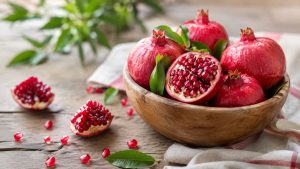
Pomegranate is a unique fruit known for its tough outer skin, jewel-like seeds, and refreshing sweet-tart flavor. The edible arils are juicy, colorful, and packed with natural flavor, making pomegranate popular for fresh eating, juices, salads, desserts, and many other recipes.
Beyond the kitchen, pomegranate is also an attractive fruit tree for warm-climate gardens. With plenty of sunlight, well-drained soil, proper watering, and regular pruning, a healthy pomegranate tree can produce flowers and fruit for many years.
Whether you want to enjoy fresh pomegranate juice or grow your own tree, understanding the fruit, its varieties, growing requirements, and harvesting signs can help you get better results.
What Is Pomegranate?
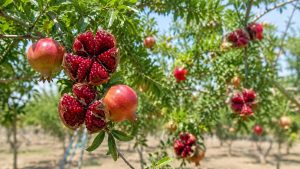
Pomegranate is the fruit of Punica granatum, a deciduous fruit tree that grows well in warm and relatively dry climates. The fruit has a firm, leathery skin that can range from yellowish-red to deep red depending on the variety.
Inside the fruit are hundreds of juicy arils surrounding small seeds. The arils are the main edible portion and can vary from pale pink to deep ruby red.
Pomegranate has a distinctive sweet and slightly acidic flavor. Some varieties are very sweet, while others have a stronger tartness that works especially well for juice and sauces.
The tree itself can grow as a shrub or small tree. Its bright flowers also make it an attractive addition to a home garden.
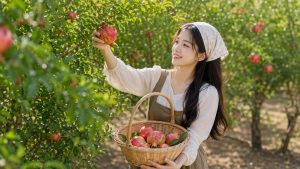
What Does Pomegranate Taste Like?
Pomegranate has a flavor that combines sweetness with refreshing acidity. The taste varies considerably between varieties and according to how ripe the fruit is.
Sweet varieties are enjoyable as a fresh snack, while more acidic varieties can produce excellent juice when combined with naturally sweet fruits.
The arils should be juicy and flavorful when the fruit is mature. If they taste extremely sour or lack juice, the fruit may not have reached its best eating quality.
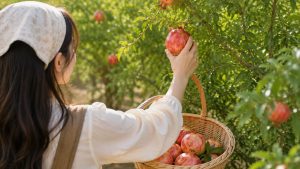
Pomegranate Nutrition
Pomegranate provides several nutrients and naturally occurring plant compounds. The edible arils contain carbohydrates, dietary fiber, vitamin C, vitamin K, folate, and potassium.
Pomegranate also contains polyphenols and other antioxidant compounds. Including the whole fruit in a varied diet can provide more fiber than drinking strained juice because much of the fiber is associated with the arils.
Pomegranate juice can also be part of a balanced diet, but it is easier to consume a large amount of fruit sugar when drinking juice than when eating whole fruit.
Health Benefits of Pomegranate
Provides Antioxidant Compounds
Pomegranate contains naturally occurring polyphenols and other antioxidant compounds. These substances help protect cells from oxidative stress as part of the body’s normal processes.
Supports Digestive Health
The arils provide dietary fiber, which contributes to normal digestion and regular bowel movements. Eating the whole arils rather than only drinking strained juice provides more fiber.
Provides Vitamin C and Other Nutrients
Pomegranate contributes vitamin C, vitamin K, folate, potassium, and other nutrients. Eating a variety of fruits is a practical way to obtain a broad range of nutrients.
Supports a Balanced Eating Pattern
Pomegranate can add color, flavor, and nutrients to everyday meals. It can be eaten fresh or added to salads, yogurt, oatmeal, smoothies, and other foods.
These nutritional benefits are best considered as part of an overall balanced diet rather than as a treatment for any health condition.
Popular Pomegranate Varieties
There are many pomegranate varieties, and they differ in sweetness, acidity, fruit size, seed texture, skin color, and growing characteristics.
Wonderful Pomegranate
Wonderful is one of the best-known commercial pomegranate varieties. It produces relatively large fruit with deep red arils and a sweet-tart flavor.
It is commonly used for fresh eating and juice.
Eversweet Pomegranate
Eversweet is known for its relatively mild flavor and lower acidity compared with strongly tart varieties. It can be appealing to gardeners who prefer sweeter fruit.
Parfianka Pomegranate
Parfianka is valued for its flavorful arils and relatively soft seeds. It is often grown by gardeners who want a good balance between sweetness and acidity.
Dwarf Pomegranate
Dwarf pomegranate varieties are smaller than standard fruiting trees. Some are primarily grown as ornamental plants, while selected dwarf types can also produce small edible fruit.
When choosing a variety, consider your climate, available garden space, desired fruit flavor, and whether the plant is intended primarily for fruit production or ornamental use.
How to Choose a Good Pomegranate
A good pomegranate usually feels heavy for its size because mature fruit contains plenty of juice.
Look for fruit with firm skin and no large soft areas or obvious signs of decay. Depending on the variety, mature fruit may have red, pink, or reddish-yellow skin.
The fruit does not always need to be perfectly round. As the arils develop, some pomegranates become slightly angular.
For the best flavor, choose fruit that feels firm and heavy and has reached the normal mature color for its variety.
How to Make Fresh Pomegranate Juice
Fresh pomegranate juice is one of the easiest ways to enjoy the fruit. You do not need many ingredients.
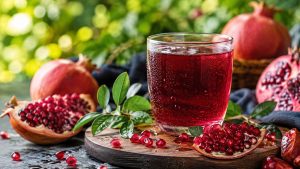
Simple Pomegranate Juice
Ingredients:
- 2–3 ripe pomegranates
- A small amount of water, if needed
- Honey, optional
- Lemon juice, optional
Directions:
- Cut the pomegranates and remove the arils.
- Pick out as much of the white membrane as possible.
- Place the arils in a blender.
- Pulse briefly several times.
- Strain the mixture through a fine-mesh strainer.
- Add a small amount of water if the juice is too concentrated.
- Add honey or lemon juice if desired.
- Serve chilled.
Do not blend the arils continuously for too long. Crushing the seeds excessively can give the juice a more bitter or astringent taste.
Want an easy way to open this fruit and remove the seeds? Check out the easiest way to cut a pomegranate
Delicious Pomegranate Juice Combinations
Pomegranate and Orange Juice
Mix fresh pomegranate juice with orange juice for a bright, naturally sweet drink. A small amount of lemon juice can make the flavor even fresher.
Pomegranate and Apple Juice
Apple juice adds sweetness and balances the tartness of pomegranate. This combination works well as a simple breakfast drink.
Pomegranate and Berry Juice
Combine pomegranate with strawberries, blueberries, or raspberries for a colorful fruit drink with a deeper berry flavor.
Pomegranate and Ginger Juice
Add a small amount of fresh ginger to pomegranate juice for a mildly spicy flavor. Start with a small quantity because ginger can quickly become the dominant flavor.
For any juice recipe, freshly prepared juice generally tastes best when served soon after preparation.
How to Eat Pomegranate
Pomegranate can be eaten in many simple ways.
The easiest method is to remove the arils and eat them fresh. Their juicy texture makes them an excellent snack.
You can also sprinkle pomegranate arils over:
- Yogurt
- Oatmeal
- Green salads
- Fruit salads
- Rice dishes
- Smoothie bowls
- Desserts
Pomegranate arils can also be used to add a sweet-tart flavor to savory meals.
How to Grow Pomegranate
Pomegranate is relatively adaptable, especially in warm climates. The tree performs best when it receives plenty of sunlight and has good drainage.
Choose a Sunny Location
Plant pomegranate in a location that receives full sun for much of the day.
Strong sunlight supports vigorous growth, flowering, and fruit development. A sunny location can also help keep the canopy drier after rainfall.
Use Well-Drained Soil
Pomegranate prefers soil that drains well. It can tolerate different soil types, but constantly wet soil can cause root problems.
If the soil is heavy clay, improve drainage before planting or grow the tree in a raised area.
Adding well-aged organic matter can improve soil structure and help support healthy root development.
Plant With Enough Space
Give the tree enough room to develop its canopy. Crowded trees receive less sunlight and may have poorer air circulation.
Good spacing also makes pruning, pest monitoring, and harvesting easier.
Water Young Trees Regularly
Young pomegranate trees need regular moisture while their root systems become established.
Water deeply when the soil begins to dry rather than giving the tree very small amounts of water every day.
Once established, pomegranate becomes more drought tolerant. However, the tree still benefits from adequate moisture during flowering and fruit development.
Avoid extreme cycles of very dry soil followed by excessive watering.
Fertilize Carefully
Pomegranate does not usually require heavy fertilization.
A balanced fertilizer can be applied when needed according to the product label and soil conditions. Compost can also help maintain soil quality.
Avoid excessive nitrogen because it can encourage too much leafy growth and may reduce the balance between vegetative growth and fruit production.
Prune for Better Fruit Production
Pruning is one of the most useful ways to keep a pomegranate tree manageable and productive.
Remove dead, damaged, or crossing branches. Thin crowded growth to improve sunlight penetration and air circulation.
Pomegranate can also produce suckers from the base of the plant. Remove unwanted suckers regularly so the tree can direct more energy toward productive growth.
For a backyard tree, maintaining a manageable height also makes harvesting easier.
How Long Does Pomegranate Take to Grow?
The time required for a pomegranate tree to produce fruit depends on its variety, age, propagation method, climate, and care.
Trees grown from seed generally take longer to become productive. Grafted or established nursery trees can begin producing fruit much sooner when growing conditions are favorable.
A young tree should first focus on developing a healthy root system and strong branches. Good sunlight, appropriate watering, and balanced nutrition can help it become productive over time.
When Is Pomegranate Ripe?
Pomegranates do not continue improving dramatically after harvest in the same way as some other fruits, so harvesting at the appropriate maturity is important.
Common signs of maturity include:
- The fruit reaches its typical mature color.
- The skin becomes firm and slightly angular.
- The fruit feels heavy for its size.
- The crown at the end becomes more defined and begins to dry.
- The fruit develops the expected flavor for its variety.
Do not rely on skin color alone because different varieties naturally mature with different colors.
How to Harvest Pomegranate
Use clean pruning shears to cut mature fruit from the tree rather than pulling it forcefully.
Leaving a small stem attached can help reduce damage during harvesting.
Handle the fruit carefully because bruised or damaged skin can shorten storage life.
Harvesting during dry weather can also help keep fruit cleaner and reduce unnecessary moisture on the surface.
How to Store Pomegranate
Whole pomegranates can be stored at room temperature for a limited period. Keeping them in a cool location can help maintain quality.
For longer storage, refrigeration is useful.
Once the arils have been removed, place them in a clean airtight container and refrigerate them. Fresh arils can then be used in snacks, salads, desserts, or juice.
Freshly prepared pomegranate juice should also be refrigerated and consumed promptly.
Common Pomegranate Growing Problems
Pests
Pomegranate trees may be affected by pests such as aphids, scale insects, mealybugs, and fruit-feeding insects depending on the growing region.
Inspect leaves, young shoots, flowers, and fruit regularly. Early detection makes pest management easier.
Fungal Problems
Excess moisture and poor air circulation can increase the risk of fungal problems.
Avoid unnecessary overhead watering and maintain enough space between plants for good airflow.
Fruit Cracking
Fruit cracking can occur when the fruit experiences irregular moisture conditions, particularly when a dry period is followed by abundant water.
Keeping soil moisture relatively consistent during fruit development can help reduce stress.
Poor Fruit Production
A tree may produce few flowers or fruit when it lacks sunlight, experiences severe water stress, receives excessive nitrogen, or is not growing under suitable conditions.
Check the basic growing conditions before adding more fertilizer.
Tips for Growing Pomegranate Successfully
For healthier trees and better fruit production, focus on consistent care rather than complicated techniques.
- Plant in full sun.
- Choose well-drained soil.
- Give young trees regular deep watering.
- Maintain consistent moisture during fruit development.
- Avoid excessive nitrogen fertilizer.
- Prune crowded and damaged branches.
- Remove unwanted suckers.
- Monitor regularly for pests and diseases.
- Harvest mature fruit carefully.
- Choose a variety suited to your local climate.
A healthy pomegranate tree can become both a productive fruit plant and an attractive feature in a warm-climate garden.
Conclusion
Pomegranate is a flavorful and versatile fruit that can be enjoyed fresh, added to meals, or turned into refreshing homemade juice. Its sweet-tart arils provide fiber, vitamin C, and other nutrients, making whole pomegranate a useful addition to a varied diet.
For gardeners, pomegranate is also a rewarding tree to grow. Providing full sun, well-drained soil, appropriate watering, balanced nutrition, and regular pruning can support healthy growth and fruit production.
Whether your goal is to make delicious pomegranate juice or harvest fresh fruit from your own garden, choosing a suitable variety and maintaining consistent growing conditions are the keys to success.
FAQ About Pomegranate
What does pomegranate taste like?
Pomegranate usually has a sweet-tart flavor with juicy arils. Some varieties are much sweeter, while others have stronger acidity.
Can you eat pomegranate seeds?
Yes. The juicy arils and their small seeds are edible. The seeds can vary in texture depending on the variety.
What is the easiest way to make pomegranate juice?
Remove the arils, pulse them briefly in a blender, and strain the mixture through a fine-mesh strainer. Avoid excessive blending to prevent a bitter taste.
What fruits mix well with pomegranate juice?
Pomegranate juice pairs well with orange, apple, lemon, strawberries, blueberries, raspberries, and other fruits.
Does pomegranate need full sun?
Yes. Pomegranate trees grow best in full sun, especially when the goal is strong flowering and good fruit production.
How often should you water a pomegranate tree?
Young trees need regular watering while they establish. Mature trees are more drought tolerant but still benefit from adequate and consistent moisture during flowering and fruit development.
How long does it take for a pomegranate tree to produce fruit?
The timing depends on the variety and how the tree was propagated. Seed-grown trees usually take longer, while established grafted trees can produce fruit sooner.
Can pomegranate grow in a pot?
Yes. Smaller varieties can be grown in large containers with good drainage. Container-grown plants need plenty of sunlight, regular watering, nutrients, and pruning to control their size.