Banana is one of the most popular fruits in the world, known for its naturally sweet taste, creamy texture, and convenient peel. This versatile banana fruit comes in many varieties, from familiar Cavendish bananas to red bananas and Lady Finger bananas. Learn what bananas are, how they taste, their common types, nutrition, potential benefits, how to eat them, and how to grow, harvest, and store this tropical fruit at home.
What Is a Banana?
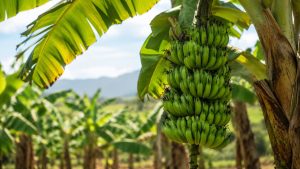
A banana is the edible fruit of plants in the genus Musa. Although banana plants look like trees, they are actually large herbaceous plants with a pseudostem made from tightly packed leaf bases. Bananas come in many varieties and colors, from green and yellow to red. Most cultivated dessert bananas have tiny, undeveloped seeds.
Where Do Bananas Grow?
Bananas originated in tropical and subtropical regions of Southeast Asia and have spread throughout warm parts of the world.
Today, bananas are grown commercially in many tropical and subtropical countries. They generally perform best in warm conditions with plenty of sunlight, adequate moisture, and protection from frost.
Banana plants are especially common in regions of Asia, Africa, Central America, South America, and the Caribbean.
Because bananas are sensitive to cold, growing conditions play an important role in determining whether a plant can produce fruit successfully.
What Do Bananas Taste Like?
The flavor of a banana depends on its variety and stage of ripeness.
A ripe Cavendish banana is usually sweet, mild, and creamy. As the fruit ripens, its texture becomes softer and its flavor becomes sweeter.
Green bananas have a much firmer texture and a more starchy, less sweet taste. They are often cooked rather than eaten like a ripe dessert banana.
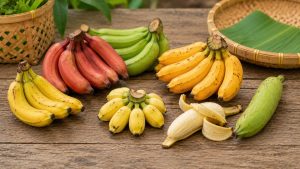
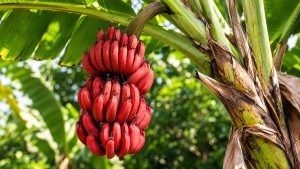
Different varieties can have noticeably different flavors. Lady Finger bananas are often very sweet, while red bananas can have a creamy texture and a more distinctive fruity flavor.
Plantains are generally starchier than dessert bananas, especially when green, and are commonly cooked in savory dishes.

Banana Types and Varieties
There are hundreds of banana cultivars around the world, although only a relatively small number are commonly available in supermarkets.
Cavendish Banana
Cavendish is the most familiar type of banana in many U.S. grocery stores.
It has yellow skin when ripe, creamy flesh, and a mild, naturally sweet flavor. Several cultivars belong to the Cavendish group, including Dwarf Cavendish and Grand Nain.
Lady Finger Banana
Lady Finger bananas are smaller and thinner than typical Cavendish bananas.
They are known for their sweet flavor and soft texture and are often eaten fresh as a dessert fruit.
They may also be sold under names such as Baby Banana or Sugar Banana, depending on the market.
Red Banana
Red bananas develop reddish or reddish-purple skin as they mature.
Their flesh is usually creamy and can have a sweeter, more aromatic flavor than standard Cavendish bananas.
They can be eaten fresh or added to smoothies, fruit salads, and desserts.
Apple Banana
Apple bananas are relatively small bananas known for their distinctive fruity flavor.
They are often eaten fresh when ripe and can be particularly enjoyable as a snack because of their compact size.
Plantain
Plantains are closely related to bananas but are commonly treated as a cooking crop.
Green plantains are firm and starchy, while mature plantains become softer and sweeter. They can be fried, baked, boiled, grilled, or added to many savory dishes.

Banana Nutrition
Bananas provide carbohydrates, dietary fiber, potassium, vitamin B6, vitamin C, and several other nutrients.
According to USDA-based nutrition data, 100 grams of raw banana provides approximately:
| Nutrient | Amount |
|---|---|
| Calories | 89 kcal |
| Carbohydrates | 22.8 g |
| Dietary fiber | 2.6 g |
| Protein | 1.1 g |
| Total fat | 0.3 g |
| Sugars | 12.2 g |
| Potassium | 358 mg |
| Magnesium | 27 mg |
| Vitamin C | 8.7 mg |
| Vitamin B6 | 0.4 mg |
Nutrition can vary depending on banana size, variety, maturity, and growing conditions.
A medium banana provides a convenient combination of carbohydrates, fiber, and several vitamins and minerals.
Banana Benefits and How to Eat It
Bananas are a convenient fruit that provides carbohydrates, fiber, potassium, vitamin B6, and vitamin C. They are easy to enjoy fresh and can be used in many everyday foods.
Potential Benefits of Bananas
Provides potassium: Bananas are a source of potassium, an essential mineral involved in normal muscle and nerve function.
Contains fiber: Bananas provide dietary fiber, which is an important part of a balanced diet.
Provides vitamin B6: Bananas contain vitamin B6, a nutrient involved in normal metabolism and other body processes.
Contains vitamin C: Bananas provide vitamin C, an essential nutrient needed for normal body functions.
Provides natural carbohydrates: Bananas contain naturally occurring carbohydrates, making them a convenient food for breakfast, snacks, and everyday meals.
How to Eat Bananas
Simply peel a ripe banana and eat it fresh. You can also slice it into oatmeal, cereal, yogurt, fruit salads, smoothies, pancakes, or toast.
Very ripe bananas are especially useful for banana bread, muffins, and other baked foods because they are naturally sweet and soft.

How to Choose Ripe Bananas
Choose bananas based on when you plan to eat them. Green or mostly green bananas are best if you want them to ripen over several days. For immediate eating, choose bananas with yellow skin and a slightly soft texture.
Small brown spots are normal and usually mean the fruit is becoming sweeter and softer. Avoid bananas with mold, leaking areas, or an unusual fermented smell.
How to Tell If a Banana Is Ripe
A ripe banana usually has yellow skin and gives slightly when gently pressed. For a firmer, milder banana, choose one with some green remaining. For baking or smoothies, bananas with more brown spots are softer and sweeter.
Growing Bananas and Time to Fruit
Bananas grow best in warm, sunny, and humid conditions with fertile, well-drained soil and consistent moisture.
How Long Does a Banana Plant Take to Fruit?
The time from planting to fruit production varies considerably.
Under favorable tropical conditions, many banana plants can produce a flower and fruit within roughly 9–15 months, although timing depends on the cultivar and environment.
Plants grown from suckers or other vegetative material may establish and fruit differently from plants started from seed.
Cold temperatures, poor sunlight, inadequate water, and nutrient problems can delay growth and fruit production.
Banana Plant Care
Once established, banana plants benefit from regular care.
Watering
Bananas need consistent moisture, especially during active growth.
Water deeply when needed, but avoid leaving the roots in constantly waterlogged soil.
Fertilizing
Banana plants are relatively heavy feeders.
Provide nutrients during active growth according to soil conditions and the plant’s needs. A balanced fertilization program can support vigorous leaves and fruit production.
Pruning
Remove dead or damaged leaves as needed.
After a banana plant produces fruit, the fruiting pseudostem generally will not produce another bunch. It can be removed after harvest while healthy suckers are retained to continue the planting.
Mulching
Organic mulch can help conserve moisture and suppress weeds around banana plants.
Keep mulch slightly away from the base of the pseudostem to reduce excessive moisture around the plant.
Harvesting and Storing Bananas
Bananas are usually harvested while mature but still green, especially when they are intended for transport and later ripening.
When to Harvest Bananas
The ideal harvest stage depends on the variety and intended use.
For dessert bananas, mature fruit often has:
- Full size
- A rounded rather than sharply angular shape
- A well-developed appearance
- Green skin before natural ripening
Commercial bananas are commonly harvested before they become yellow so they can withstand transportation and ripen afterward.
Home gardeners can allow fruit to develop fully on the plant before harvesting, depending on local conditions and the desired ripeness.
How to Store Bananas
Keep unripe bananas at room temperature and allow them to ripen naturally.
Once bananas reach the ripeness you prefer, refrigeration can slow further ripening. The peel may darken in the refrigerator, but the flesh can remain usable.
To store bananas:
- Keep unripe fruit at room temperature
- Avoid excessive heat
- Refrigerate ripe bananas if you want to slow further ripening
- Keep damaged fruit separate
- Check regularly for spoilage
Very ripe bananas can also be peeled, sliced, and frozen for smoothies or baking.
Learn how to ripen bananas quickly with 7 simple methods for faster, easier ripening.
Banana Recipes
Bananas are one of the easiest fruits to use in everyday recipes.
Banana Smoothie
Blend a ripe banana with milk or a plant-based alternative and other fruits for a simple smoothie.
Banana pairs especially well with strawberries, blueberries, mango, pineapple, yogurt, and peanut butter.
Banana Oatmeal
Slice a ripe banana over warm oatmeal.
You can add nuts, seeds, cinnamon, or other fruit for additional texture and flavor.
Banana Fruit Salad
Combine sliced banana with strawberries, blueberries, mango, pineapple, or other fresh fruit.
Add the banana shortly before serving to help maintain its texture.
Banana Bread
Very ripe bananas are excellent for banana bread.
Their soft texture and natural sweetness make them especially useful in baked recipes, helping add moisture and banana flavor.
Tips for Enjoying Bananas
Bananas are easy to incorporate into everyday meals.
Eat Bananas Fresh
A ripe banana is ready to eat without cooking or complicated preparation.
Simply peel and enjoy it as a quick snack.
Use Very Ripe Bananas for Baking
When bananas become very soft and develop numerous brown spots, they can be especially useful in banana bread, muffins, pancakes, and smoothies.
Freeze Ripe Bananas
Peel ripe bananas before freezing them.
Frozen banana pieces work particularly well in smoothies and blended desserts.
Pair Bananas With Other Fruits
Bananas combine well with:
- Strawberries
- Blueberries
- Mango
- Pineapple
- Papaya
- Kiwi
- Dragon fruit
- Apples
Combining different fruits creates a wider range of flavors and textures.
Banana vs. Plantain
Bananas and plantains are closely related, but they are generally used differently.
| Feature | Banana | Plantain |
|---|---|---|
| Typical use | Often eaten fresh | Usually cooked |
| Green stage | Firm and starchy | Very firm and starchy |
| Ripe flavor | Sweet | Sweeter but still commonly cooked |
| Texture | Soft when ripe | Firmer |
| Common dishes | Smoothies, snacks, desserts | Fried, boiled, baked, grilled |
The distinction is not always strict. Some banana varieties are cooked, and ripe plantains can also be quite sweet.
Conclusion
Bananas are simple, familiar fruits with much more variety than the standard yellow banana found in grocery stores. From Cavendish and Lady Finger bananas to red bananas and plantains, different types offer different flavors, textures, and culinary uses.
They provide carbohydrates, dietary fiber, potassium, vitamin B6, vitamin C, and other nutrients. Whether eaten fresh, blended into a smoothie, added to breakfast, or used in baking, bananas are one of the most versatile fruits for everyday meals.
Frequently Asked Questions About Bananas
1. What does a banana taste like?
A ripe banana usually has a naturally sweet flavor with a soft, creamy texture. The exact taste varies by variety and ripeness.
2. What are the most common types of bananas?
Cavendish is one of the most familiar commercial bananas. Other types include Lady Finger, red bananas, apple bananas, and plantains.
3. Are bananas good for you?
Bananas provide dietary fiber, potassium, vitamin B6, vitamin C, and naturally occurring carbohydrates. They can be part of a varied and balanced diet.
4. Are green bananas edible?
Yes. Green bananas are edible but are firmer and starchier than ripe bananas. Some varieties are commonly cooked at this stage.
5. How long does a banana plant take to produce fruit?
Under favorable growing conditions, many banana plants can produce fruit in roughly 9–15 months, although the timing varies by cultivar, climate, and plant health.
6. Can you grow bananas at home?
Yes. Banana plants can be grown at home where conditions are warm enough. They need sunlight, consistent moisture, fertile well-drained soil, and protection from frost.
7. Should bananas be refrigerated?
Unripe bananas are generally best kept at room temperature while they ripen. Once ripe, refrigeration can slow further ripening, although the peel may become darker.