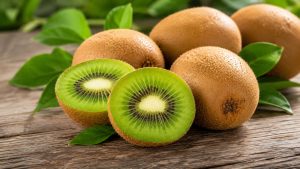
Kiwi is a small fruit with fuzzy brown skin, bright green flesh, and tiny edible black seeds. Its refreshing sweet-tart flavor makes it popular in fruit salads, smoothies, desserts, and snacks. Although kiwi is strongly associated with New Zealand, the fruit originally came from China and is now grown worldwide.
In this guide, learn about kiwi fruit, its nutrition, varieties, growing conditions, ripening, storage, and the best ways to enjoy this flavorful and versatile fruit.
What Is Kiwi?
Kiwi is the edible fruit of woody vines belonging to the Actinidia genus. The most familiar type is the fuzzy kiwi, scientifically known as Actinidia deliciosa. It usually has brown, fuzzy skin and green flesh with a lighter center surrounded by rows of small black seeds.
The fruit has a balanced flavor that combines sweetness with a noticeable tang. Fully ripe kiwi is soft and juicy, while underripe fruit tends to be firmer and more acidic.
Kiwi is commonly eaten fresh, but it can also be added to smoothies, yogurt, salads, desserts, sauces, and drinks. Some varieties have smooth skin and yellow or golden flesh, giving consumers several choices in flavor and texture.
Despite its relatively small size, kiwi provides important nutrients, including vitamin C, fiber, vitamin K, vitamin E, and several antioxidant compounds.

Where Does Kiwi Come From?
Kiwi originated in China, where wild kiwifruit grew naturally in forested and mountainous areas. The fruit was later introduced to New Zealand in the early 20th century, where growers developed commercial varieties and helped establish kiwi as an important agricultural crop.
New Zealand eventually became strongly associated with the fruit, and the name “kiwifruit” became widely used internationally.
Today, kiwi is cultivated in countries with suitable climates, including New Zealand, Italy, China, Chile, Greece, and parts of the United States.
Kiwi vines generally prefer temperate conditions. They need a long growing season, adequate moisture, fertile soil, and support because the plants are vigorous climbers.
What Does Kiwi Taste Like?
Kiwi has a refreshing flavor that is difficult to compare with many other fruits. Green kiwi is usually sweet and tangy, with a slight citrus-like sharpness.
The texture is also an important part of the eating experience. A ripe kiwi has soft, juicy flesh with tiny edible seeds that add a subtle crunch.
Golden kiwi varieties are generally sweeter and less acidic than traditional green kiwi. Their flesh is often smooth and yellow or golden, while the skin can be thinner and less fuzzy.
The flavor becomes sweeter as the fruit ripens. If a kiwi tastes extremely sour or feels very hard, it may simply need more time to mature.
Kiwi Nutrition
Kiwi is a nutrient-rich fruit that can fit easily into a balanced diet. It is relatively low in calories while providing fiber, vitamins, minerals, and naturally occurring plant compounds.

One of its best-known nutritional features is its vitamin C content. Vitamin C supports normal immune function and also plays a role in collagen formation and antioxidant protection.
Kiwi also provides dietary fiber, which helps support normal digestion. The fruit contains both soluble and insoluble forms of fiber, making it a useful addition to meals and snacks.
Other nutrients found in kiwi include:
- Vitamin C
- Vitamin K
- Vitamin E
- Folate
- Potassium
- Dietary fiber
- Natural antioxidants
Nutritional values can vary depending on the variety, size, growing conditions, and ripeness of the fruit.
Health Benefits of Kiwi
Eating kiwi as part of a varied diet can provide several nutritional benefits.
Supports Immune Health
Kiwi is especially rich in vitamin C, an essential nutrient involved in normal immune system function. Regularly including vitamin C-rich fruits in the diet can help meet daily nutritional needs.
Supports Digestion
The fiber in kiwi can help support healthy digestion and regular bowel movements. Kiwi also contains an enzyme called actinidin, which may help break down certain proteins during digestion.
For people who enjoy fruit as part of a high-fiber diet, kiwi can be an easy and flavorful option.
Provides Antioxidants
Kiwi contains vitamin C, vitamin E, and other plant compounds with antioxidant properties. Antioxidants help protect cells from oxidative stress as part of the body’s normal biological processes.
Supports Heart Health
Kiwi provides potassium and dietary fiber, two nutrients commonly associated with a heart-supportive eating pattern. Eating a variety of fruits, vegetables, whole grains, and other nutrient-dense foods is an important part of overall cardiovascular health.
Supports Healthy Skin
Vitamin C contributes to normal collagen production, while vitamin E also contributes antioxidant activity. Eating kiwi alongside other fruits and vegetables can therefore contribute useful nutrients to an overall healthy diet.

Popular Kiwi Varieties
Several types of kiwi are grown around the world, and they can differ significantly in appearance, flavor, and texture.
Green Kiwi
Green kiwi is the classic variety most people recognize. It has fuzzy brown skin and bright green flesh with a pale center and black seeds.
Its flavor is usually sweet-tart, and it becomes softer and sweeter as it ripens.
Golden Kiwi
Golden kiwi has yellow or golden flesh and is often sweeter than green kiwi. The skin is usually smoother and thinner, making it easier for some people to eat whole.
Golden kiwi has become increasingly popular because of its mild flavor and smooth texture.
Hardy Kiwi
Hardy kiwi produces much smaller fruits than traditional fuzzy kiwi. The skin is smooth and edible, and the fruit can often be eaten without peeling.
Hardy kiwi plants are also valued by home gardeners because some types can tolerate colder conditions than traditional kiwi vines.
How Does Kiwi Grow?
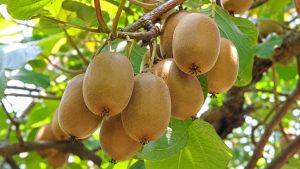
Kiwi grows on vigorous perennial vines rather than on a typical fruit tree. The vines can become large and heavy, so they need a strong support system such as a trellis.
Kiwi plants prefer fertile, well-drained soil with good organic matter. Consistent moisture is important, particularly during active growth and fruit development.
Many traditional kiwi plants are dioecious, meaning male and female flowers usually occur on separate plants. A female plant produces fruit, while a compatible male plant provides pollen.
This is an important consideration for gardeners who want to grow kiwi at home.
Kiwi vines can take several years before producing a significant crop. Proper pruning and training are also important because uncontrolled vines can become tangled and difficult to manage.
How to Grow Kiwi
The easiest way to grow kiwi is to start with a healthy nursery-grown vine rather than seeds.
Plant it in full sun, fertile, well-draining soil, and provide a strong trellis for support.
Choose compatible male and female plants when required for pollination. Keep the soil evenly moist and prune the vines regularly.
For faster fruit production, nursery-grown plants are generally a better choice than growing kiwi from seed.
How Much Sunlight Does Kiwi Need?
Kiwi vines grow best in a sunny location with plenty of direct light.
A site receiving around six or more hours of sunlight per day is generally suitable for productive growth. Good sunlight helps the plant produce strong foliage and supports flowering and fruit development.
At the same time, the vines should be protected from harsh conditions such as strong drying winds. Young plants can be particularly sensitive to environmental stress.
When planting kiwi, choose a location with enough space for the mature vine and a sturdy support structure.
How Often Should You Water Kiwi?
Kiwi plants need consistent moisture, especially during establishment and fruit development.
Young vines should be watered regularly so the soil remains evenly moist without becoming waterlogged. Mature plants are more established, but they can still suffer during extended periods of dry weather.
A layer of organic mulch around the root zone can help conserve soil moisture and reduce competition from weeds. Keep mulch slightly away from the main stem to avoid creating excessively wet conditions around the base.
The exact watering schedule depends on rainfall, soil type, temperature, plant age, and local climate.
When Does Kiwi Ripen?
Kiwi typically develops over a long growing season and may remain firm on the vine even when it is mature enough to harvest.
Commercial growers often harvest kiwi when the fruit has reached an appropriate maturity level rather than waiting for it to become soft on the plant.
After harvesting, kiwi can continue to ripen.
This makes kiwi different from fruits that must become fully soft before they are picked. Proper harvest timing is important because fruit harvested too early may have poor flavor, while fruit left under unsuitable conditions can develop quality problems.
How to Tell if a Kiwi Is Ripe
The easiest way to check a kiwi is by gently pressing the fruit.
A ripe kiwi should give slightly when pressed with your fingers. It should feel soft enough to indicate ripeness but not extremely mushy.
Other signs include:
- The fruit has a pleasant, sweet aroma.
- The flesh feels slightly soft.
- The fruit has developed its characteristic flavor.
- The skin remains intact without major bruising or leaking.
A very firm kiwi is usually underripe. You can leave it at room temperature for several days and check it again.
If you want to speed up ripening, placing kiwi in a paper bag with an apple or banana can help because these fruits naturally release ethylene gas.
How to Eat Kiwi
Eating kiwi is simple and requires very little preparation.

Start by washing the outside of the fruit. If you prefer peeled kiwi, cut off both ends and remove the skin with a small knife or spoon.
You can then slice the flesh into rounds or cut it into smaller pieces.
Green kiwi seeds are edible, so there is no need to remove them. The seeds provide the characteristic appearance and a very mild crunchy texture.
Kiwi can also be cut in half and eaten directly with a spoon. This is one of the easiest methods when you want a quick snack.
For a fruit salad, kiwi pairs well with strawberries, bananas, grapes, oranges, pineapple, and other fresh fruits.
Can You Eat Kiwi Skin?
Yes, kiwi skin is edible. However, many people prefer to remove it because the fuzzy texture of traditional green kiwi can feel unusual.
If you want to eat the skin, wash the fruit thoroughly first. Smooth-skinned varieties, such as some hardy and golden kiwis, are often more comfortable to eat whole.
Whether you eat the skin or peel it is primarily a matter of personal preference.
How to Store Kiwi
Storage depends on how ripe the fruit is.
Firm, unripe kiwi can usually be kept at room temperature until it softens. Once it reaches the desired ripeness, refrigeration can help slow further ripening and extend its usable life.
Keep kiwi away from damaged or spoiled fruit, and check it regularly for soft spots or mold.
Cut kiwi should be stored in a covered container in the refrigerator and eaten within a reasonable period for the best quality.
If you want kiwi to ripen faster, keep it at room temperature rather than immediately placing it in the refrigerator.
Final Thoughts
Kiwi is a flavorful and versatile fruit with a unique appearance, refreshing taste, and impressive nutritional profile. Green kiwi is especially well known for its vitamin C and fiber content, while golden and hardy varieties offer different flavors and textures.
For gardeners, kiwi can also be an interesting fruit crop to grow. Its vigorous vines require sunlight, moisture, fertile soil, strong support, and appropriate pruning, but healthy plants can eventually produce abundant fruit.
Whether you buy kiwi from a grocery store or grow it in your garden, learning how to recognize ripeness and store the fruit properly can help you enjoy better flavor and texture.
FAQ Kiwi
Is kiwi a fruit or a berry?
Botanically, kiwi is classified as a type of berry because it develops from a single flower with a single ovary and contains multiple seeds.
Can you eat kiwi seeds?
Yes. The small black seeds inside kiwi are edible and can be eaten together with the flesh.
Is kiwi good for digestion?
Kiwi provides dietary fiber and also contains actinidin, an enzyme that can help break down proteins. Including kiwi as part of a balanced diet may support normal digestive health.
How long does kiwi take to ripen?
Firm kiwi may take several days to soften at room temperature. The exact time depends on its maturity when purchased and the surrounding temperature.
Can kiwi grow in a home garden?
Yes, kiwi can be grown at home when the climate and growing conditions are suitable. The vines need adequate sunlight, moisture, fertile soil, and strong support.
Do kiwi plants need male and female plants?
Many traditional kiwi varieties have separate male and female plants. A compatible male plant is generally needed to provide pollen for fruit-producing female plants.
Should kiwi be refrigerated?
Firm kiwi can remain at room temperature while it ripens. Once ripe, refrigeration can slow further ripening and help maintain quality for longer.