
Fresh, crunchy cucumbers are one of the highlights of a summer garden. Whether sliced into salads, added to sandwiches, or turned into homemade pickles, homegrown cucumbers offer a flavor and freshness that’s hard to match with store-bought produce.
The good news is that cucumbers are among the easiest vegetables to grow. With plenty of sunlight, fertile soil, and consistent watering, even beginner gardeners can enjoy an abundant harvest throughout the growing season.
In this guide, you’ll learn everything you need to know about growing cucumbers, including how to choose the best varieties, prepare your garden, plant cucumber seeds, and create the ideal conditions for healthy, productive plants.
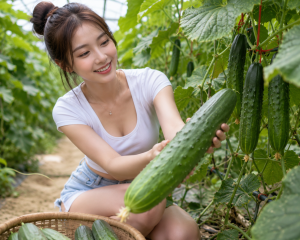
1. Why Grow Cucumbers?
Cucumbers are one of the most rewarding vegetables for home gardeners. They grow quickly, produce heavily, and require only basic care once established.
Here are a few reasons why they’re a favorite in home gardens:
Fast Growing
Most cucumber varieties are ready to harvest in 50 to 70 days, making them an excellent choice for gardeners who want quick results.
High Yields
A single healthy cucumber plant can produce 15–30 cucumbers during the growing season. With just a few plants, many families enjoy a steady supply of fresh cucumbers all summer long.
Perfect for Small Gardens
Not everyone has space for a large vegetable patch. Bush cucumber varieties grow well in containers, raised beds, and even on sunny balconies, making them ideal for urban gardeners.
Healthy and Refreshing
Cucumbers are low in calories, naturally hydrating, and packed with beneficial nutrients such as vitamin K, vitamin C, potassium, and antioxidants.
2. Best Cucumber Varieties
Choosing the right variety is one of the first steps toward a successful harvest. Different types of cucumbers are suited for different purposes, whether you want fresh slices for salads or crisp cucumbers for pickling.
| Variety | Type | Days to Harvest | Best For |
|---|---|---|---|
| Marketmore 76 | Slicing | 65 | Beginners |
| Straight Eight | Slicing | 58 | Fresh eating |
| Diva | Slicing | 58 | Containers |
| Boston Pickling | Pickling | 55 | Homemade pickles |
| Calypso | Pickling | 52 | Heavy production |
| Spacemaster | Bush | 60 | Small gardens |
Slicing Cucumbers
These are the most common garden cucumbers. They produce long, crisp fruit with a mild flavor, making them perfect for salads and sandwiches.
Pickling Cucumbers
Pickling varieties are shorter and firmer, allowing them to stay crunchy after being preserved.
Bush Cucumbers
Bush varieties stay compact, making them ideal for containers or gardens with limited space.
Vining Cucumbers
Vining cucumbers spread or climb and generally produce larger harvests. Growing them on a trellis helps improve airflow, keeps fruit cleaner, and makes harvesting easier.
3. When to Plant Cucumbers
Cucumbers are warm-season vegetables that dislike cold weather.
For the best results, wait until:
- All danger of frost has passed.
- Soil temperatures reach 70°F (21°C) or higher.
- Nighttime temperatures stay above 55°F (13°C).
Planting too early in cold soil can delay germination and weaken young seedlings.
If you live in a cooler climate, starting seeds indoors 3–4 weeks before the last frost can give plants a head start.
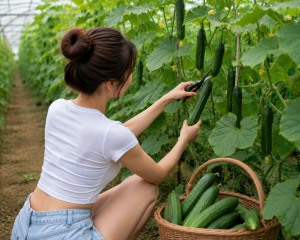
4. Choosing the Right Growing Location
Location has a major impact on how productive your cucumber plants become.
Full Sun
Cucumbers thrive in 6–8 hours of direct sunlight each day.
More sunlight generally means:
- Faster growth
- More flowers
- Better pollination
- Higher yields
Avoid planting in shaded areas where nearby trees or buildings block the afternoon sun.
Good Air Circulation
Proper spacing improves airflow, helping leaves dry quickly after rain and reducing the risk of fungal diseases such as powdery mildew.
Well-Drained Soil
Cucumber roots dislike standing water. Choose a location with loose, well-drained soil that stays evenly moist but never soggy.
5. Preparing the Soil
Healthy soil is the foundation of a productive cucumber patch.
Before planting, spend a little time improving your soil to give plants the best possible start.
Soil pH
Cucumbers grow best in soil with a pH between 6.0 and 7.0.
If you’re unsure about your soil, a simple home soil test kit can help determine whether any adjustments are needed.
Add Organic Matter
Mix 2–3 inches of compost or well-rotted manure into the top 8–10 inches of soil.
Organic matter helps:
- Improve drainage
- Retain moisture
- Feed beneficial soil microbes
- Supply slow-release nutrients
Raised Beds
If your garden has heavy clay soil or poor drainage, consider growing cucumbers in raised beds.
Raised beds warm up faster in spring, improve drainage, and encourage stronger root growth.
6. How to Plant Cucumber Seeds
Direct sowing is the easiest and most reliable way to grow cucumbers because the plants don’t like having their roots disturbed.
Step 1: Prepare the Bed
- Remove weeds and debris.
- Loosen the soil.
- Water lightly if the soil is dry.
Step 2: Plant the Seeds
Plant seeds:
- 1 inch (2.5 cm) deep
- 10–12 inches (25–30 cm) apart
- Rows spaced 4–5 feet (1.2–1.5 m) apart
Cover the seeds with soil and water gently.
Most cucumber seeds germinate within 5–10 days when soil temperatures remain warm.
Step 3: Thin Seedlings
Once your cucumber seedlings have developed two or three true leaves, remove the weaker plants to give the remaining seedlings enough space to grow strong and healthy.
Proper spacing improves air circulation, reduces the risk of disease, and allows each plant to produce more fruit.
7. Growing Cucumbers in Raised Beds and Containers
You don’t need a large garden to enjoy homegrown cucumbers.
Growing in Raised Beds
Raised beds provide excellent drainage and make it easier to control soil quality. Install a trellis when planting to encourage vertical growth and make harvesting easier.
Growing Cucumbers in Containers
Compact or bush varieties are especially well suited for container gardening.
For the best results:
- Choose a container that holds at least 5 gallons of soil.
- Use high-quality potting soil.
- Make sure the container has adequate drainage holes.
- Water more frequently because containers dry out faster than garden beds.
- If you’re growing a vining variety, add a small trellis or support structure.
Container-grown cucumbers are perfect for patios, balconies, and other small outdoor spaces.
8. Fast-Growing Cucumber Plant Checklist
Before moving on to plant care, make sure you have completed these essential steps:
✔ Choose a location that receives plenty of sunlight (6–8 hours of direct sun)
✔ Improve the soil with compost or organic matter
✔ Wait until the soil is warm enough before planting
✔ Sow seeds at the proper depth and spacing
✔ Install a trellis for vining cucumber varieties
✔ Water gently after planting
With these basic growing conditions in place, your cucumber plants will have a strong foundation for healthy growth.
9. Watering Cucumber Plants
Consistent watering is one of the most important factors in growing healthy cucumbers. Because cucumbers are made up of more than 95% water, even short periods of drought can affect fruit quality and reduce yields.
Instead of giving your plants a light watering every day, water deeply and thoroughly so moisture can reach the root zone.
10. How Much Water Do Cucumbers Need?
Most cucumber plants need:
- 1–2 inches (2.5–5 cm) of water per week
- Water more frequently during hot or windy weather.
Cucumbers grown in containers dry out much faster than those planted directly in the ground and may need daily watering during the summer.
11. The Best Time to Water Cucumbers
The best time to water cucumber plants is early in the morning.
Morning watering allows the leaves to dry before nighttime, which can help reduce the risk of fungal diseases such as powdery mildew.
Signs Your Cucumbers Need Water
Watch for these common signs:
- Leaves that wilt during the morning
- Soil that feels dry a few inches below the surface
- Small or misshapen fruits
- Bitter-tasting cucumbers
Keeping the soil consistently moist—but not waterlogged—is the key to healthy cucumber growth.
12. Fertilizing Cucumber Plants
Cucumbers are fast-growing vegetables that require plenty of nutrients. Once they begin flowering and producing fruit, they benefit from a steady supply of nutrients.
Before Planting
Mix compost or well-rotted manure into the soil before planting. This provides slow-release nutrients and helps improve soil structure.
During the Vegetative Growth Stage
Once the plants have developed several true leaves, apply a balanced fertilizer such as a 10-10-10 fertilizer or an organic fertilizer formulated for vegetables.
During Flowering and Fruiting
When flowers begin to appear, switch to a fertilizer with slightly higher levels of phosphorus and potassium compared with nitrogen.
This can encourage flower and fruit production rather than excessive leaf growth.
Cucumber Fertilizing Schedule
| Growth Stage | Recommended Feeding |
|---|---|
| Before planting | Compost or well-rotted manure |
| 2–3 weeks after germination | Balanced fertilizer |
| Flowering stage | Tomato or vegetable fertilizer |
| Fruiting stage | Feed every 2–3 weeks |
Always follow the manufacturer’s application instructions and avoid over-fertilizing. Too much nitrogen can encourage excessive leafy growth and may reduce fruit production.
13. Growing Cucumbers on a Trellis
Although cucumber vines can spread across the ground, growing them vertically offers several advantages.
Benefits of Using a Trellis
Growing cucumbers on a trellis can:
- Save garden space
- Improve air circulation
- Reduce the risk of fungal diseases
- Encourage straighter fruits
- Keep cucumbers cleaner
- Make harvesting easier
Wire panels, wooden trellises, garden netting, and livestock panels can all make excellent supports for vining cucumber varieties.
During the first few weeks, gently guide young cucumber vines toward the trellis. Once established, the plants will naturally climb by using their tendrils.
Common Problems and Solutions
Even healthy cucumber plants can occasionally experience problems. Fortunately, most issues are easy to identify and fix.
Yellow Leaves
Yellow leaves can be a sign of:
- Overwatering
- Nutrient deficiencies
- Poor drainage
- Natural aging of older leaves
Remove damaged foliage and adjust your watering or fertilizing routine as needed.
Bitter Cucumbers
Bitter flavor is often caused by plant stress.
Common causes include:
- Inconsistent watering
- Hot weather
- Drought conditions
- Overripe fruit
Harvest cucumbers regularly and keep the soil consistently moist to help improve flavor.
Poor Pollination
If small cucumbers begin to form but quickly wilt and fall off the plant, poor pollination is often the cause.
To attract more pollinators:
- Plant flowers such as marigolds or zinnias nearby.
- Avoid using pesticides while cucumber plants are flowering.
- Consider hand-pollinating flowers if bee activity is low.
Common Cucumber Pests
Check your plants regularly so you can identify and address pest problems early.
Cucumber Beetles
These yellow-and-black beetles feed on cucumber leaves and flowers and can also spread bacterial wilt.
Control methods include:
- Floating row covers
- Hand-picking beetles
- Neem oil
- Yellow sticky traps
Aphids
Aphids suck sap from young shoots, causing leaves to curl and weakening the plant.
Spray the affected areas with a strong stream of water to knock aphids off the plant. If the infestation becomes severe, consider using insecticidal soap according to the product label.
Spider Mites
Spider mites thrive in hot, dry conditions.
Common signs include:
- Fine webbing on the plant
- Speckled or stippled leaves
- Yellowing leaves
Keeping plants adequately watered and maintaining proper humidity can help reduce spider mite infestations.
Common Cucumber Diseases
Good gardening practices are one of the best ways to prevent disease.
Powdery Mildew
Powdery mildew appears as a white, powdery coating on the leaves.
To reduce the risk:
- Ensure good air circulation around plants.
- Water at the base of the plant instead of wetting the leaves.
- Grow cucumbers on a trellis to improve airflow.
- Remove infected leaves promptly.
Root Rot
Root rot often develops when soil remains waterlogged for extended periods.
To prevent this problem, grow cucumbers in well-draining soil and avoid overwatering. Raised beds and containers can also help improve drainage.
Harvesting Cucumbers
Harvesting cucumbers at the right time improves both flavor and plant productivity.
Most cucumber varieties are ready to harvest about 50–70 days after planting, depending on the variety.
Harvest cucumbers when they are:
- Firm
- Bright green
- Smooth or slightly bumpy, depending on the variety
- The appropriate size for their specific type
As a general guideline:
- Slicing cucumbers: Harvest when they are about 6–8 inches (15–20 cm) long.
- Pickling cucumbers: Harvest when they are about 2–5 inches (5–13 cm) long.
Use clean garden scissors or pruning shears to cut cucumbers from the vine rather than pulling them off by hand.
Harvest every 2–3 days to encourage the plant to continue producing new fruit throughout the growing season.
Frequently Asked Questions
Can Cucumbers Be Grown in Containers?
Yes. Bush and compact cucumber varieties are especially well suited for container gardening. Choose a container that holds at least 5 gallons of soil and has adequate drainage.
How Long Does It Take to Grow Cucumbers?
Most cucumber varieties are ready to harvest within 50–70 days after planting, although the exact timing depends on the variety and growing conditions.
Do Cucumbers Need Direct Sunlight?
Yes. For the best harvest, cucumber plants need at least 6–8 hours of direct sunlight per day.
Why Are My Cucumbers Turning Yellow?
Overripe fruit, inconsistent watering, poor pollination, and nutrient deficiencies are some of the most common reasons cucumbers turn yellow.
Should Cucumber Plants Be Trellised?
Yes. Growing cucumbers vertically can save garden space, improve air circulation, keep the fruit cleaner, and make harvesting easier.
Quick Cucumber Care Checklist
Follow these simple tips throughout the growing season:
✔ Water deeply once or twice a week, adjusting as needed for hot or dry weather.
✔ Fertilize every 2–3 weeks during periods of active growth.
✔ Grow vining cucumber varieties on a trellis whenever possible.
✔ Add a layer of mulch around plants to help retain soil moisture.
✔ Check leaves weekly for signs of pests or disease.
✔ Harvest cucumbers every few days to encourage continued production.
Final Thoughts
Growing cucumbers is one of the easiest ways to enjoy fresh vegetables straight from your home garden. By choosing the right variety, planting in fertile soil, providing plenty of sunlight, and maintaining consistent moisture, you can enjoy a plentiful harvest throughout the growing season.
Whether you grow cucumbers in raised beds, containers, or a traditional vegetable garden, the basic principles remain the same: healthy soil, consistent watering, balanced fertilization, and timely harvesting.
With just a little care and attention, even beginner gardeners can grow crisp, delicious cucumbers that are perfect for eating fresh, making pickles, and sharing with family and friends.