Lotus leaves are a useful part of the lotus plant and have been used in Asian cuisine and traditional food preparation for centuries. With their large, round shape, naturally fresh aroma, and sturdy texture, lotus leaves are especially useful for wrapping, steaming, lining, and presenting food.
Fresh and dried lotus leaves can be used in different ways, and each form requires slightly different handling and storage. If you grow lotus plants at home or have access to a lotus pond, knowing when to harvest lotus leaves, how to harvest them, and how to store them properly can help maintain their quality for longer.
What Are Lotus Leaves Used For?
The most common use of lotus leaves is in cooking and food presentation. Their large size makes them ideal for wrapping or covering food, while their subtle aroma can add a pleasant fragrance during cooking.
Lotus leaves are commonly used to wrap rice, sticky rice, dumplings, and steamed dishes. During cooking, the leaves surround the food and can give it a light, distinctive aroma.
Fresh lotus leaves can also be used to line plates or serving trays. Their natural green color creates an attractive presentation and works especially well with traditional Asian dishes.
Using Lotus Leaves to Wrap Food
One of the most popular ways to use lotus leaves is wrapping food.
Because lotus leaves are large and become more flexible when heated, they can be folded around rice, sticky rice, meat, fish, vegetables, and other ingredients.
Some traditional dishes use lotus leaves to give food a subtle natural fragrance. When steamed, the heat softens the leaves and allows their aroma to blend gently with the ingredients.
Before using lotus leaves for food, wash them thoroughly and check the surface for dirt, insects, damaged areas, or other contaminants.
Using Lotus Leaves for Steaming
Steaming food in lotus leaves is another simple way to use them in the kitchen.
You can wrap rice, sticky rice, fish, meat, or vegetables in a lotus leaf before placing the package in a steamer. The leaf helps keep the ingredients together while adding a mild herbal aroma.
If a fresh lotus leaf feels stiff or is likely to tear, briefly blanch it in hot water to make it more flexible. Allow it to cool slightly before wrapping the food.
Avoid boiling or blanching the leaf for too long, as excessive heat can cause it to lose its natural color and become too soft.
Can You Make Tea From Lotus Leaves?
Dried lotus leaves are also used to make tea in some Asian cultures.
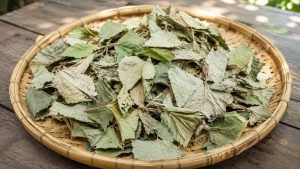
The leaves are usually washed, drained, cut into smaller pieces, and then dried by air-drying or using a food dehydrator. Once dried, they can be steeped in hot water to make a fragrant herbal drink.
If you make dried lotus leaves at home, proper drying is especially important. The leaves should be completely dry before storage because remaining moisture can encourage mold growth.
Lotus leaf tea is traditionally enjoyed as a beverage. It should not be considered a treatment for a medical condition or used as a substitute for professional medical care.
Using Lotus Leaves for Food Presentation
Because of their large, round shape and attractive green color, fresh lotus leaves can also be used to decorate and present food.
A lotus leaf can be placed beneath rice, sticky rice, cakes, vegetables, or other traditional dishes. A large leaf can also serve as a natural liner for a serving tray or plate.
This simple presentation can create a fresh, natural appearance and highlight the traditional character of a dish.
When Should You Harvest Lotus Leaves?
The best harvesting time depends on how you plan to use the leaves.
If you want fresh lotus leaves for cooking, choose mature leaves that are healthy, naturally green, and free from major tears or damage.
Very young leaves are usually softer and more delicate, while older leaves may become tougher, faded, or damaged.
Morning is often a convenient time to harvest because temperatures are cooler. If the leaves are wet from heavy rain or morning dew, allow excess moisture to dry before storing them.
How to Harvest Lotus Leaves
Harvesting lotus leaves is relatively simple. Use clean, sharp scissors or pruning shears to cut the leaf stem.
Cut the stem carefully instead of pulling or tearing the leaf from the plant. A clean cut can reduce unnecessary damage and make harvesting easier.
Avoid removing too many leaves from the same lotus plant. The leaves are essential for photosynthesis, so the plant needs enough healthy foliage to continue growing and producing flowers, roots, and new leaves.
After harvesting, place the leaves gently into a clean basket or container. Avoid tightly stacking or pressing them because this can cause creases, tears, and bruising.
How to Prepare Fresh Lotus Leaves
Fresh lotus leaves should ideally be cleaned soon after harvesting.
First, gently rinse both sides of each leaf with clean water to remove dirt, mud, insects, and other debris. Avoid scrubbing aggressively because the surface can be damaged or torn.
After washing, place the leaves on a clean towel or drying rack and allow excess water to drain.
If you plan to use the leaves for wrapping food, trim the stem and cut the leaves into smaller pieces if necessary. For leaves that feel stiff, briefly blanching them in hot water can make them easier to fold.
How to Store Fresh Lotus Leaves
Fresh lotus leaves are best used soon after harvesting to maintain their natural color, texture, and aroma.
For short-term storage, gently wrap the leaves in a slightly damp paper towel and place them in a clean food-safe bag or container. Store them in the refrigerator.
Avoid soaking the leaves in water or sealing them while they are excessively wet. Too much moisture can cause the leaves to deteriorate more quickly.
Check the leaves before using them. If they develop an unusual smell, become slimy, develop mold, or show other signs of spoilage, discard them.
How to Dry and Store Lotus Leaves
If you want to keep lotus leaves for longer, drying lotus leaves is a practical option.
After washing the leaves, allow them to drain thoroughly. You can cut them into smaller pieces if you plan to use them for tea or cooking.
The leaves can be air-dried in a clean, dry, well-ventilated area away from excessive moisture and dust. A food dehydrator can also be useful because it provides better control over the drying conditions.
The most important step is making sure the leaves are completely dry before packaging them.
Once dry, place the leaves in an airtight bag or container and store them in a cool, dry place away from direct sunlight.
If dried leaves absorb moisture, develop mold, or have an unusual smell, they should not be used.
Important Tips for Harvesting Lotus Leaves
If you plan to use lotus leaves for food, choose plants grown in clean water and avoid harvesting leaves from ponds or waterways that may be contaminated with wastewater, pesticides, or other harmful substances.
Do not use leaves that have extensive insect damage, mold, or visible contamination.
It is also important to harvest responsibly. Leaving enough healthy leaves on the plant allows it to continue photosynthesizing and growing throughout the season.
If you are growing lotus at home, regular but moderate harvesting can provide fresh leaves without putting unnecessary stress on the plant.
Final Thoughts
Lotus leaves are a versatile part of the lotus plant with many uses in Asian cooking and food presentation. Fresh leaves can be used for wrapping, steaming, lining, and decorating dishes, while dried leaves can be used to make a traditional herbal tea.
For the best results, harvest mature and healthy leaves using clean, sharp tools. Handle them gently during cleaning and storage to prevent unnecessary tears and damage.
If you want to preserve lotus leaves for a longer period, drying them completely and storing them in an airtight container is one of the simplest options.
If you want to learn more about the plant itself, including its varieties, growing requirements, and care, explore our complete guide to the lotus flower plant.