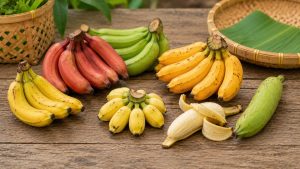
If you have a bunch of green bananas and want to enjoy them sooner, there are several simple ways to speed up the ripening process. Bananas naturally produce ethylene gas, a plant hormone that helps fruit mature. By creating conditions that encourage ethylene to build up around the fruit, you can often make bananas ripen faster.
The best method depends on how quickly you need them. Some techniques may take a day or two, while others can soften bananas within minutes when you need them for baking. Here are seven practical ways to ripen bananas quickly at home.
1. Put Bananas in a Paper Bag
One of the easiest ways to speed up banana ripening is to place the bananas in a paper bag.
Put the bananas inside the bag and loosely fold the top. The paper bag helps concentrate the ethylene gas naturally released by the fruit while still allowing some air circulation.
Keep the bag at room temperature and check the bananas periodically. Depending on how green they are, they may become noticeably riper within a day or two.
Avoid sealing the bag completely in an airtight container because excessive moisture can encourage mold.
This method works particularly well when you want naturally ripened bananas without using heat.
2. Add a Ripe Apple or Other Ripe Fruit
You can make the paper-bag method even more effective by adding another ripe fruit.
Ripe apples, pears, avocados, and bananas naturally release ethylene gas. When a ripe fruit is placed together with green bananas, the increased concentration of ethylene can encourage the bananas to ripen more quickly.
Place the bananas and one ripe fruit inside a paper bag. Fold the opening loosely and leave it at room temperature.
Check the fruit regularly. Once the bananas reach the ripeness you want, remove them from the bag.
This is a convenient option when you already have ripe fruit available in your kitchen.
3. Keep Bananas in a Warm Room
Temperature has a major effect on banana ripening.
Bananas generally ripen more quickly in a warm environment than in a cool one. If your bananas are still green, keep them in a warm area of the kitchen away from direct sunlight and strong heat.
A countertop or another moderately warm location is usually sufficient.
Do not place bananas directly next to a heater or another very hot appliance. Excessive heat can damage the fruit rather than simply speeding up normal ripening.
A consistently warm room combined with a paper bag can be an effective approach when you want to encourage natural ripening.
4. Separate the Bananas From the Bunch
If you only need one or two bananas to ripen quickly, separating them from the bunch can make them easier to manage.
Place the individual bananas together in a paper bag, or keep them near other ripe fruit. This allows you to focus the ripening conditions on the bananas you plan to eat first.
You can also separate bananas at different stages of ripeness so you have better control over when each one becomes ready.
However, separation is not necessarily a dramatic ripening accelerator by itself. It works best when combined with other methods, such as keeping the fruit warm or placing it in a paper bag.
5. Use the Oven for Very Ripe Bananas
If you need soft bananas quickly for baking, the oven can help.
This method is different from natural ripening. Heat softens the fruit and changes its texture, making it useful for recipes that call for very ripe bananas.
Place unpeeled bananas on a baking sheet and warm them in a low-temperature oven. Keep a close eye on them and remove them when the peel has darkened and the inside has become soft.
The result can be suitable for banana bread, muffins, pancakes, and similar recipes.
Keep in mind that oven heating does not reproduce every characteristic of naturally ripened bananas. The flavor and texture may be somewhat different, but it can be useful when a recipe needs soft bananas immediately.
6. Use an Air Fryer for Baking
An air fryer can also be used when you need soft bananas quickly for a recipe.
Place the bananas in the air fryer and use a moderate temperature for a short period. Check them frequently because cooking times vary depending on the appliance and the size and firmness of the bananas.
The goal is to soften the fruit rather than burn the peel or dry out the flesh.
This method is particularly useful when you are making banana bread or another baked recipe and your bananas are still too firm.
Again, remember that this is technically a heating method rather than natural ripening. It can produce a soft, sweet banana-like texture suitable for cooking, but naturally ripened bananas usually develop their flavor differently.
7. Bake Bananas When You Need Them Immediately
When time is extremely limited, heating bananas is the fastest practical option.
Instead of waiting for several days of natural ripening, you can soften the bananas using an oven or air fryer and then mash them for a recipe.
This approach is especially helpful when bananas are needed for baking rather than eating fresh.
For example, very soft bananas are commonly used in banana bread because they are easy to mash and provide sweetness and moisture. Heated bananas can therefore be a useful substitute when you have bananas that are not naturally ripe enough for your recipe.
However, if you plan to eat the bananas fresh, natural ripening is generally preferable because it allows the fruit to develop its characteristic flavor and texture.
How Long Does It Take to Ripen Bananas?
The time required depends on how green the bananas are, the room temperature, and the method you use.
Naturally green bananas may take several days to ripen at room temperature. A paper bag and ripe fruit can help speed up the process.
Very firm green bananas usually need more time than bananas that have already started developing yellow color.
If you are using heat, the fruit can become soft much faster, but this should be considered a cooking technique rather than normal ripening.
How to Tell When Bananas Are Ripe
The best way to determine whether a banana is ready is to look at its color, texture, and smell.
A ripe banana usually has a yellow peel and feels slightly soft when gently pressed. Small brown spots are common as bananas become more mature.
For eating fresh, many people prefer bananas that are yellow with a little softness. For baking, bananas can be allowed to become much softer and develop more brown spots.
Avoid bananas with unusual odors, extensive mold, or signs of spoilage.
What Not to Do When Ripening Bananas
Trying to ripen bananas quickly does not mean exposing them to extreme conditions.
Avoid placing bananas directly against a very hot surface or using excessive heat for long periods. This can cook or damage the fruit rather than encourage natural ripening.
You should also avoid trapping bananas in a damp, poorly ventilated environment. Moisture can contribute to mold growth.
If you are using a paper bag, check the bananas regularly and remove them once they reach the desired ripeness.
Best Method for Different Situations
The best method depends on your goal.
For natural ripening: Use a paper bag and keep the bananas at room temperature.
For faster natural ripening: Add a ripe apple, pear, or other ethylene-producing fruit to the paper bag.
For bananas needed within minutes: Use an oven or air fryer to soften them for cooking or baking.
For the best fresh flavor: Let the bananas ripen naturally instead of relying on heat.
Final Thoughts
Learning how to ripen bananas quickly can be useful when you have green bananas but need ripe fruit sooner. Simple methods such as using a paper bag, adding ripe fruit, and keeping bananas in a warm room can encourage natural ripening. When you need soft bananas immediately for baking, controlled heating in an oven or air fryer can be another practical option.
The key is to choose the method based on how quickly you need the bananas and whether you plan to eat them fresh or use them in a recipe.
For a complete guide to bananas, including growing, harvesting, ripening, and eating, explore our main article on how to ripen bananas quickly.