Seeing a beautiful flower open on your plant is exciting, but the real reward comes when that flower turns into fruit. Sometimes, though, a healthy-looking bloom can fade and fall without producing anything.
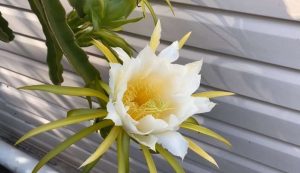
That is where hand pollination can make a difference. With a small, soft brush and a few minutes at the right time, you can help transfer pollen and give the flower a better chance of setting fruit.
The process is simple once you know when the flowers open, where to find the pollen, and how to gently transfer it to the stigma. In this guide, I’ll walk you through the method I use and a few simple tips that can improve fruit set.
Why Dragon Fruit May Need Hand Pollination
Dragon fruit flowers are large, fragrant, and usually open at night. Their nighttime blooming habit means they may not always receive enough natural pollination in a home garden.
Some dragon fruit varieties are also more dependent on pollen from another compatible plant. Other varieties can set fruit with their own pollen but may produce better results when properly pollinated by hand.
This is why I like to hand pollinate flowers whenever possible. Rather than waiting and wondering whether the flower was pollinated, you can give the plant a little help at exactly the right time.
Hand pollination can be especially useful when:
- You only have one dragon fruit plant.
- Few natural pollinators visit your garden.
- The flowers open when pollinator activity is low.
- Your plant produces flowers that repeatedly fail to develop fruit.
- You want to improve the chances of good fruit set.
When Do Dragon Fruit Flowers Open?
Timing is probably the most important part of dragon fruit pollination.
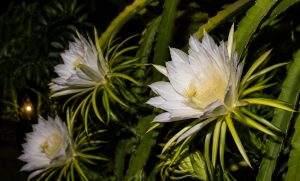
Dragon fruit flowers typically begin opening in the evening and are often fully open during the night. By the following morning, the flower begins to close.
That gives you a relatively short window to pollinate the flower.
I prefer to check flowering plants in the evening. Once the flower has opened fully, the reproductive parts inside the flower are easy to see and access.
If you wait until the flower has already closed the next morning, you may have missed the best opportunity.
What You Need for Hand Pollination
You do not need expensive gardening equipment.
A small, clean, soft paintbrush works well. You can also use another clean, soft brush designed for delicate flowers.
Before moving pollen between flowers, make sure the brush is clean and dry. This helps prevent unwanted material from being transferred between flowers.
If you have several dragon fruit varieties flowering at the same time, you can use separate brushes for different plants or clean the brush between crosses.
How to Hand Pollinate Dragon Fruit
The basic process is simple: collect pollen from the flower’s anthers and transfer it to the stigma.
1. Check the flower after it opens
Visit your dragon fruit plant in the evening when the flower has fully opened.
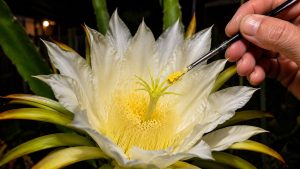
You should see the flower’s reproductive structures inside the bloom. The pollen-producing anthers are located around the central style.
Take a moment to identify the pollen before touching the flower.
2. Collect pollen with a soft brush
Gently touch the brush to the pollen-bearing anthers.
You do not need to aggressively brush the flower. A light touch is usually enough to collect pollen.
You may notice yellowish pollen sticking to the brush.
3. Transfer the pollen to the stigma
Next, gently brush the collected pollen onto the stigma at the end of the flower’s central reproductive structure.
Make several gentle passes rather than pressing hard.
The goal is simply to get plenty of pollen onto the receptive surface.
4. Use pollen from another flower when appropriate
If you have more than one compatible dragon fruit plant flowering at the same time, transferring pollen between plants can be useful.
Collect pollen from one flower and gently apply it to the stigma of another flower.
This is particularly important for varieties that have limited self-compatibility.
If you are unsure about your variety, checking its pollination requirements can help you decide whether to use pollen from the same plant or another plant.
5. Mark the pollinated flower
This is a small trick that I find useful.
If several flowers are blooming, mark the ones you pollinated with a simple plant tag or note the date.
That makes it much easier to watch what happens afterward.
What Is the Best Time to Pollinate Dragon Fruit?
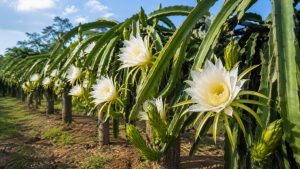
The best time is generally when the flower is fully open and the reproductive parts are ready to receive pollen.
For many dragon fruit plants, that means working in the evening or during the nighttime flowering period.
I would not wait until the next day simply because the flower is easier to see in daylight. Dragon fruit flowers do not stay open indefinitely.
If a flower has opened in the evening, that is when I would make pollination a priority.
Can You Hand Pollinate Dragon Fruit With Its Own Pollen?
Sometimes, yes.
Whether self-pollination works well depends on the dragon fruit variety.
Some varieties are self-compatible, meaning pollen from the same flower or plant can fertilize the flower. Other varieties have limited self-compatibility and benefit from pollen from a different compatible plant.
This is one reason gardeners can get very different results from hand pollination.
If you have two compatible dragon fruit varieties flowering at the same time, I would experiment with pollen from both plants and keep track of the results.
That gives you useful information about how your particular plants behave in your garden.
Why Dragon Fruit Flowers Fail to Produce Fruit
A dragon fruit flower can look perfectly healthy and still fail to develop into fruit.
Several factors can be involved.
Poor pollination
This is one of the first things I would consider if flowers repeatedly fall without developing fruit.
If natural pollinators are not reaching the flowers, hand pollination can help.
Incompatible variety
Some dragon fruit varieties do not reliably set fruit using their own pollen.
If you only have one plant, this can make fruit production more difficult.
Poor timing
Pollinating too early or waiting until the flower has already closed can reduce your chances of successful pollination.
Weather conditions
Extreme heat, rain, wind, or other unfavorable conditions can interfere with flowering and fruit development.
Plant stress
A dragon fruit plant that is struggling with inadequate sunlight, inconsistent watering, poor nutrition, or other growing problems may not produce fruit reliably.
Pollination is important, but it cannot compensate for an unhealthy plant.
How to Improve Fruit Set After Pollination
Successful pollination is only the beginning.
After pollinating the flowers, keep the plant growing under good conditions.
Dragon fruit generally performs best with plenty of sunlight and well-drained soil. Avoid keeping the root zone constantly wet.
During the fruit-development period, consistent watering is usually better than allowing the plant to experience repeated cycles of severe dryness followed by heavy watering.
A strong trellis is also important because dragon fruit plants become heavy as they mature and produce fruit.
I also recommend avoiding unnecessary disturbance of newly pollinated flowers. Let the plant continue growing naturally while you watch for signs that the flower has successfully developed fruit.
How Long Does It Take Dragon Fruit to Develop After Pollination?
If pollination is successful, you should eventually notice the flower base beginning to develop rather than simply drying up and falling away.
The exact timeline varies depending on the variety and growing conditions.
One of the easiest ways to judge success is to watch the flower over the following days.
A flower that has successfully set fruit will gradually begin developing a swollen base. An unsuccessful flower is more likely to dry, decline, and drop.
This is why marking pollinated flowers can be so helpful. You can compare the flowers you pollinated with those you left to natural pollination.
A Simple Dragon Fruit Pollination Routine
If you grow several dragon fruit plants, you can make pollination part of your evening garden routine.
When I see flowers getting ready to open, I check them later in the evening.
My basic routine is:
- Check which flowers are fully open.
- Collect fresh pollen with a clean, soft brush.
- Apply the pollen carefully to the stigma.
- Use pollen from another compatible plant when appropriate.
- Mark the pollinated flowers.
- Check them over the next several days for fruit development.
It takes very little time once you become familiar with the flower.
Final Thoughts
Learning how to hand pollinate dragon fruit can make a big difference when your plant flowers but does not produce much fruit.
The most important things are timing, fresh pollen, and careful transfer of pollen to the stigma. If your variety benefits from cross-pollination, having another compatible dragon fruit plant flowering at the same time can make the process even more effective.
You do not need complicated equipment or advanced gardening skills. A clean, soft brush and a few minutes in the evening are often all you need to give your dragon fruit flowers a better chance of setting fruit.
FAQ
Do I need to hand pollinate every dragon fruit flower?
Not necessarily. Some flowers may receive natural pollination, and some varieties are capable of self-pollination. However, hand pollination can improve your chances of fruit set when natural pollination is unreliable.
Can I pollinate dragon fruit in the morning?
It is generally better to pollinate while the flower is fully open, which is often during the evening or nighttime. By morning, many flowers have already started closing.
Can one dragon fruit plant produce fruit?
Yes, depending on the variety. Some dragon fruit varieties are self-compatible, while others perform better with pollen from another compatible plant.
What happens if dragon fruit flowers fall off?
If a flower dries up and falls without developing fruit, unsuccessful pollination is one possible reason. Plant stress, variety characteristics, weather, and other growing conditions can also play a role.
Can I use a regular paintbrush to pollinate dragon fruit?
Yes. A small, clean, soft-bristled brush can work well for transferring pollen. Avoid using a dirty or wet brush.
How can I tell if dragon fruit pollination worked?
Watch the base of the flower after pollination. If fruit set is successful, the flower base should gradually begin developing into a young fruit instead of drying up and dropping.
Is cross-pollination better than self-pollination?
It depends on the variety. Some dragon fruit varieties can self-pollinate successfully, while others benefit from pollen from another compatible variety. If you have multiple varieties, cross-pollination is worth trying.