
The rainy season can be a great time for passion fruit plants. With plenty of moisture and warm temperatures, the vines often grow quickly and produce plenty of new leaves and shoots.
However, frequent rain and high humidity can also create ideal conditions for fungal diseases, root problems, and pests. If the garden stays wet for too long, problems can spread quickly through the foliage, stems, roots, and fruit.
Here are some of the most common problems to watch for on passion fruit plants during wet weather.
Root Rot and Stem Swelling
Root rot is one of the problems I watch for most carefully during periods of heavy rain. Constantly wet soil can reduce oxygen around the roots and create favorable conditions for root diseases.
Affected plants may begin to grow slowly, develop yellowing leaves, or wilt even when the soil is wet. In more serious cases, the stem near the soil line may become swollen, discolored, or weakened.
Good drainage is one of the best ways to reduce the risk. Avoid planting passion fruit in areas where water collects after heavy rain.
Brown Spot Disease
Brown spot disease can affect passion fruit leaves, stems, and fruit.
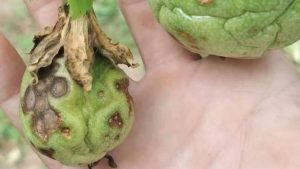
On leaves, the disease may appear as reddish-brown or dark-brown spots. Some lesions develop darker margins and concentric rings as they become older. When several spots grow together, large areas of the leaf may become damaged.
Brown spots can also develop on the fruit. These lesions may become slightly sunken and can eventually enlarge and join together. Severely affected fruit may become damaged and fall from the vine.
Wet foliage and poor air circulation can make the problem worse, so keeping the vine open and well ventilated is important during rainy weather.
White Mites and Red Spider Mites
Passion fruit plants can also be affected by small mites, particularly when growing conditions become stressful.
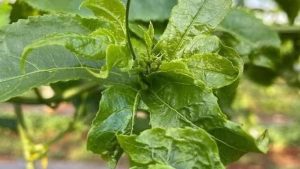
Spider mites may feed on the underside of leaves, causing tiny pale spots or a speckled appearance. As the infestation becomes heavier, leaves may turn yellow, dry out, and lose their normal vigor.
Although spider mites are often associated with hot and dry conditions, stressed plants can become more vulnerable to pest problems under changing weather conditions.
Check the undersides of leaves regularly rather than waiting until the damage becomes obvious.
Scab Disease
Scab can cause rough, raised, wart-like lesions on passion fruit plants. The disease may affect young shoots, leaves, stems, and fruit.
On fruit, the affected areas can become rough and abnormal instead of developing a smooth surface. Severe infections can reduce fruit quality and make the fruit less attractive.
Removing badly affected plant parts and improving air circulation can help reduce the spread of disease.
Anthracnose
Anthracnose is another fungal disease that can become troublesome during wet weather.
It can cause dark or brown lesions on leaves, stems, and fruit. On developing fruit, infected areas may gradually enlarge and become sunken.
Rain can help move fungal spores from infected plant material to healthy parts of the vine. For this reason, removing diseased leaves and fallen fruit from around the plant is an important part of garden sanitation.
Powdery Mildew
Powdery mildew is easy to recognize because it produces a white, powdery coating on the surface of affected leaves and other plant parts.
Infected leaves may become distorted, yellow, or weak. Severe infections can interfere with normal plant growth.
Good spacing, pruning, and airflow can help reduce conditions that favor the disease. Avoid allowing the passion fruit canopy to become excessively dense.
How to Protect Passion Fruit Plants During the Rainy Season
The best approach is to monitor the vine regularly rather than waiting for severe symptoms to appear.
I recommend checking the leaves, stems, and fruit at least several times a week during periods of frequent rain. Pay particular attention to brown spots, unusual growth, leaf discoloration, white fungal growth, and damaged fruit.
Good drainage is especially important. If water remains around the roots for long periods, the plant can become stressed and more susceptible to disease.
Prune overcrowded growth when necessary to improve air circulation. Remove severely infected leaves and fruit and dispose of them away from healthy plants.
Try to avoid unnecessary overhead watering when rainfall is already frequent. Watering at the base of the plant keeps the foliage drier and can help reduce conditions favorable to some fungal diseases.
Final Thoughts
Passion fruit vines can grow vigorously during the rainy season, but high humidity and frequent rainfall can also increase the risk of disease and pest problems.
Root rot, brown spot, scab, anthracnose, powdery mildew, and mite damage are some of the problems worth watching for.
The earlier you notice unusual symptoms, the easier it is to respond. Good drainage, regular inspection, proper pruning, clean garden practices, and healthy growing conditions can go a long way toward keeping passion fruit vines productive during wet weather.
With healthy planting material, good drainage, adequate sunlight, regular inspection, and proper sanitation, you can prevent many common passion fruit plant problems and give your vine a better chance to remain vigorous and productive.