Growing soursop is a rewarding project for gardeners living in warm, tropical, or subtropical climates. The tree needs plenty of sunlight, warm temperatures, well-draining soil, regular watering, and enough space to develop. If you want to grow soursop at home, you can start from fresh seeds or a young nursery tree. With the right planting method and consistent care, a healthy soursop tree can eventually produce delicious fruit.
Choose the Right Location for Soursop
The first step in growing soursop is choosing a suitable planting location. Soursop trees grow best in a warm, sunny area that receives at least 6 hours of direct sunlight each day.
Choose a location with good air circulation and enough space for the tree to grow. Avoid areas where rainwater collects because soursop roots do not perform well in constantly waterlogged soil.
If you are planting several trees, leave enough space between them so the mature branches do not become overcrowded.
How to Grow Soursop From Seeds
Growing soursop from seeds is one of the simplest methods for beginners. Start with fresh seeds taken from a healthy, fully mature soursop fruit.
Wash the seeds carefully to remove any remaining fruit pulp. Let them dry in a shaded place for a short time before planting.
Fill a small pot with a loose, well-draining growing medium. Plant the seed about 1 inch deep and cover it lightly with soil.
Water gently and keep the soil consistently moist. Place the pot in a warm location with bright light.
Soursop seeds generally need warm conditions to germinate. Once the seedling emerges, continue providing adequate light and moisture while it develops.
How to Plant a Soursop Seedling
Starting with a young soursop seedling can be easier and faster than growing from seed.
Choose a healthy plant with green leaves and a strong stem. Before planting it outdoors, gradually expose it to outdoor conditions if it has been growing indoors or in a protected nursery.
Dig a planting hole that is wider than the seedling’s root ball. Place the plant in the center of the hole at approximately the same depth as it was growing in its container.
Fill the hole with soil and gently firm it around the roots. Water thoroughly after planting.
Apply a layer of organic mulch around the planting area to help maintain soil moisture. Keep the mulch away from direct contact with the trunk.
Best Soil for Growing Soursop
Soursop grows best in fertile, loose, well-draining soil. The soil should hold enough moisture for the roots while allowing excess water to drain away.
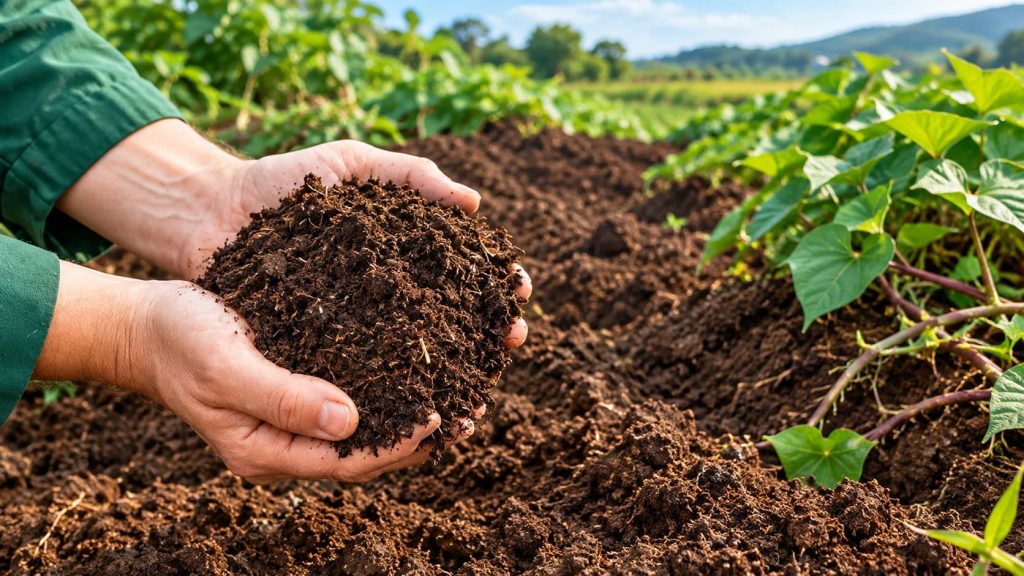
Before planting, improve poor soil by incorporating mature compost or other well-decomposed organic matter.
If your garden has heavy clay soil or poor drainage, improve the planting area before putting the tree in the ground. Raised planting areas can also help in locations where water tends to remain around the roots.
Avoid planting soursop in permanently wet soil.
How Much Sun Does Soursop Need?
Soursop needs plenty of sunlight for strong growth. Choose a location that receives at least 6 hours of direct sunlight every day.
Young plants may need some protection from extreme afternoon heat immediately after transplanting. Once established, the tree should receive plenty of natural sunlight.
If a soursop tree grows in heavy shade, it may become weak and produce less vigorous growth.
How to Water a Soursop Tree
Watering is especially important during the first few months after planting.
Water the tree deeply whenever the soil begins to dry. Young trees may need watering several times a week during hot and dry weather, depending on soil conditions.
Do not keep the soil constantly saturated. Excess water around the roots can cause serious problems.
During periods of heavy rainfall, allow the soil to drain naturally and reduce additional watering.
A layer of mulch around the root zone can help slow moisture loss during hot weather.
How to Fertilize Soursop
Soursop trees benefit from regular feeding during active growth. Apply a balanced fertilizer suitable for fruit trees according to the product’s instructions.
Young trees need nutrients to develop strong roots, branches, and leaves. As the tree becomes larger, regular fertilization can support continued growth and fruit production.
Organic compost can also be applied around the root zone to improve soil fertility.
Avoid placing fertilizer directly against the trunk. Spread it around the area beneath the tree’s canopy and water afterward when appropriate.
How to Prune a Soursop Tree
Pruning helps maintain the shape and size of a soursop tree.
Start by removing dead, damaged, or diseased branches. You can also remove branches that cross each other or grow inward toward the center of the tree.
For a home garden, light pruning can help keep the tree at a manageable height. This makes future maintenance and harvesting easier.
Do not remove large amounts of healthy branches at one time. Regular, light pruning is usually easier for the tree to tolerate.
How to Protect Young Soursop Trees
Young soursop trees are more sensitive to unfavorable growing conditions than established trees.
Protect young plants from strong winds and extreme temperature changes. Keep the soil evenly moist while the roots are developing.
A layer of mulch can help protect the root zone from rapid changes in soil temperature and moisture.
Regularly inspect the leaves and stems for signs of insects, damage, or disease. Finding problems early makes them easier to manage.
When Will a Soursop Tree Produce Fruit?
One of the most important things for beginners to understand is that soursop trees need time to mature.
Trees grown from seed can take several years before they begin producing fruit. The exact time varies depending on climate, growing conditions, variety, and overall plant health.
Grafted or nursery-grown trees may produce fruit sooner than seed-grown trees.
Providing sufficient sunlight, water, nutrients, and good soil throughout the growing season gives the tree the best opportunity to develop properly.
Common Mistakes When Growing Soursop
Avoid these common mistakes when growing soursop:
- Planting the tree in heavy shade
- Using soil with poor drainage
- Overwatering the roots
- Allowing young plants to dry out for long periods
- Planting the tree too close to buildings or other large trees
- Applying too much fertilizer
- Ignoring damaged or diseased branches
- Expecting a young seed-grown tree to produce fruit quickly
Good growing conditions are more important than complicated techniques.
Final Tips for Growing Soursop
To grow a healthy soursop tree, start with fresh seeds or a strong young plant and choose a warm, sunny planting location. Use fertile, well-draining soil and provide consistent moisture without creating waterlogged conditions.
Give the tree enough room to grow, fertilize it appropriately, and prune damaged or overcrowded branches when necessary. Most importantly, be patient. Soursop is a tropical fruit tree that needs time to establish itself before it becomes productive.
With the right growing conditions and regular care, even a beginner can successfully grow a soursop tree at home.