Soursop is one of those tropical fruits that immediately catches your attention. Its green skin is covered with soft, pointed spines, while the inside contains creamy white flesh with a sweet and slightly tangy flavor. Known scientifically as Annona muricata, soursop is popular in many tropical regions and is increasingly enjoyed around the world.
Beyond its unusual appearance, soursop is a versatile fruit that can be eaten fresh, blended into smoothies, or used in desserts and refreshing drinks. The tree can also be grown at home when provided with warm temperatures, plenty of sunlight, fertile soil, and consistent moisture.
What Is Soursop?
Soursop is the fruit of the soursop tree, a tropical evergreen that belongs to the Annonaceae family. Its scientific name is Annona muricata. The fruit is also commonly called graviola or guanabana.
Soursop trees thrive in warm, humid climates and are especially well suited to tropical and subtropical regions. The fruit has a distinctive green, spiny exterior and soft, white pulp inside.
Each fruit contains numerous large, dark seeds surrounded by edible flesh. The seeds should be removed before eating.
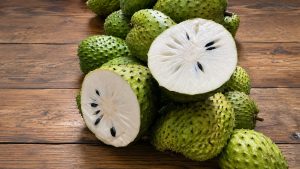
What Does Soursop Look Like?
A mature soursop fruit is usually oval, heart-shaped, or slightly irregular. Depending on the variety and growing conditions, it can range from several inches to more than a foot in length.
The skin is typically green and covered with short, soft spines. Unlike the sharp spines of some other plants, soursop’s surface projections are relatively flexible.
When cut open, the fruit reveals creamy white flesh with a soft, fibrous texture. Large black or dark-brown seeds are scattered throughout the pulp.
This unusual contrast between the rough green exterior and smooth white interior is one reason soursop is such an interesting tropical fruit.
What Does Soursop Taste Like?
Soursop has a distinctive tropical flavor that is difficult to compare with just one fruit.
The flesh is generally sweet, mildly sour, creamy, and aromatic. Some people notice flavors reminiscent of pineapple, strawberry, citrus, or other tropical fruits.
Its texture is also unusual. The soft pulp can be creamy while still containing some fibrous strands.
The flavor becomes more pronounced as the fruit ripens, making properly ripe soursop much more enjoyable than fruit that is picked too early.

How to Eat Soursop
Eating a ripe soursop is relatively simple.
1. Choose a Ripe Fruit
Look for fruit that has softened slightly when gently pressed. The skin may also become a little less firm as the fruit ripens.
2. Wash the Fruit
Rinse the outside thoroughly under clean running water before cutting.
3. Cut It Open
Use a clean knife to cut the fruit in half or into smaller sections.
4. Scoop Out the Flesh
Use a spoon to scoop the soft white pulp from the skin.
5. Remove the Seeds
Soursop contains large dark seeds that should be removed before eating. Do not chew or intentionally consume the seeds.
The fresh pulp can be eaten on its own or added to smoothies, yogurt, desserts, and other recipes.
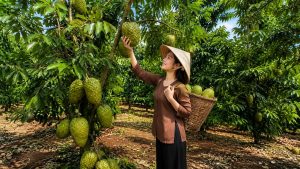
Soursop Nutrition
Soursop provides several nutrients that can contribute to a varied and balanced diet.
The fruit contains vitamin C, dietary fiber, carbohydrates, and small amounts of several minerals and other micronutrients. Its high water content also contributes to its refreshing texture.
However, soursop should be viewed as a fruit rather than a cure or treatment for disease. Claims that soursop can treat serious illnesses are not a substitute for medical care.
For everyday eating, the best approach is simply to enjoy soursop as part of a balanced diet.
Source: USDA FoodData Central, U.S. Department of Agriculture, Agricultural Research Service. USDA FoodData Central
How to Grow Soursop
Growing a healthy soursop tree starts with choosing the right environment.
Soursop is a warm-climate plant and does not tolerate prolonged cold or frost well. If you live in a cooler region, growing it in a container or protected greenhouse environment may be more practical.
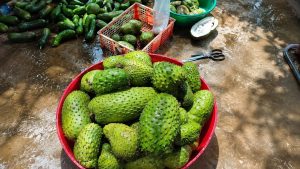
Choose the Right Location
Plant soursop in a location that receives plenty of sunlight and has good air circulation.
A sunny position helps the tree produce strong growth and supports flowering and fruit development.
Give the tree enough room to develop its canopy without being crowded by buildings or other large trees.
Choose Well-Drained Soil
Soursop prefers fertile, well-drained soil.
The soil should retain enough moisture to support healthy growth while allowing excess water to drain away. Constantly wet soil can contribute to root problems.
Before planting, improve poor soil by incorporating well-aged organic matter.
Planting Soursop
Soursop can be grown from seeds, although seedlings may take longer to reach fruiting age.
For gardeners who want fruit sooner, a healthy nursery-grown or grafted tree can be a better option.
When planting:
- Choose a sunny location.
- Dig a hole wider than the tree’s root system.
- Place the tree at approximately the same depth as it was growing in its container.
- Backfill with soil and gently firm it around the roots.
- Water thoroughly after planting.
- Add a layer of organic mulch around the tree, keeping it away from the trunk.
How to Care for a Soursop Tree
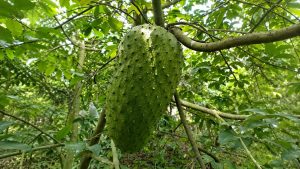
Once established, soursop needs consistent care to maintain healthy growth and fruit production.
Sunlight
Soursop grows best with plenty of direct sunlight.
Aim for a location that receives several hours of strong sunlight each day. Insufficient light can lead to weak, stretched growth and reduced flowering.
Watering
Young soursop trees need regular watering while their root systems are developing.
Water deeply when the soil begins to dry, but avoid keeping the root zone constantly saturated.
During hot or dry weather, the tree may require more frequent watering. Mulching can help reduce moisture loss from the soil.
Fertilizing
Soursop benefits from regular nutrition, particularly when actively growing.
Use a balanced fruit-tree fertilizer according to the product label. Mature trees may need additional nutrients during flowering and fruit development.
Avoid applying excessive fertilizer. More fertilizer does not necessarily mean more fruit, and overfertilization can damage roots or encourage excessive leafy growth.
Pruning
Pruning helps maintain a manageable tree shape and improves air circulation.
Remove dead, damaged, weak, or crossing branches. You can also lightly shape the canopy to encourage healthy branching.
Avoid removing large amounts of healthy growth at once, especially when the tree is young.
How Long Does It Take for a Soursop Tree to Produce Fruit?
A soursop tree typically takes 3 to 5 years to produce its first fruit when grown from seed. However, seed-grown trees can sometimes take 5 to 7 years or longer, depending on the variety and growing conditions.
If you start with a grafted or nursery-grown soursop tree, you may see fruit much sooner, often within 2 to 3 years after planting when the tree is healthy and growing in suitable conditions.
Several factors can affect how quickly a soursop tree begins producing fruit, including sunlight, temperature, soil quality, watering, nutrition, and overall tree health.
For gardeners who want fruit sooner, a healthy grafted tree is usually a better choice than growing soursop from seed.
How to Increase Soursop Fruit Production
A productive soursop tree needs more than fertilizer.
Focus on the basics first:
Provide plenty of sunlight.
Good light supports vigorous growth and flowering.
Maintain consistent moisture.
Avoid both severe drought stress and constantly waterlogged soil.
Feed the tree appropriately.
Use a suitable fruit-tree fertilizer and follow the recommended application rate.
Prune selectively.
Keep the canopy open enough for light and air to reach the branches.
Protect flowers and young fruit.
Stress, pests, poor nutrition, and unfavorable weather can all contribute to flower or fruit drop.
In some growing environments, pollination can also affect fruit production. If flowering occurs but very few fruits develop, pollination may be one factor worth investigating.
How to Know When Soursop Is Ripe
Knowing when to harvest soursop can make a big difference in flavor.
A ripe fruit generally becomes softer when gently pressed. The skin may lose some of its firm, bright-green appearance, and the surface spines may appear slightly farther apart.
Do not squeeze the fruit aggressively because ripe soursop bruises easily.
If the fruit is still very firm, allow it to continue ripening at room temperature.
Once it becomes noticeably soft, it should be eaten relatively soon.
How to Harvest Soursop
Soursop should be harvested carefully because the ripe fruit can bruise easily.
If the fruit is intended for storage or transportation, it is often better to harvest it when it is mature but not fully soft.
Use clean pruning shears or a sharp knife to cut the fruit from the tree rather than pulling or twisting it forcefully.
Handle harvested fruit gently and avoid stacking heavy objects on top of it.
How to Store Soursop
Unripe soursop can usually be kept at room temperature until it begins to soften.
Once ripe, refrigeration can slow further softening and help extend its usable life for a short period.
Because ripe soursop has a delicate texture, it is best consumed soon after reaching the desired ripeness.
If you have more fruit than you can eat fresh, the pulp can also be removed from the skin and seeds and used in smoothies or frozen for later use.
Common Soursop Growing Problems
Soursop trees can experience several common growing problems.
Yellow Leaves
Yellow leaves can have multiple causes, including excessive watering, poor drainage, nutrient deficiencies, or environmental stress.
Check the soil moisture and drainage before immediately adding more fertilizer.
Poor Flowering
A lack of sunlight, excessive vegetative growth, nutrient imbalance, or unsuitable environmental conditions can contribute to poor flowering.
Make sure the tree receives adequate light and is growing in suitable soil.
Fruit Drop
Young fruit may drop because of environmental stress, inadequate pollination, pests, or inconsistent watering.
Maintaining stable growing conditions can help reduce unnecessary stress on the tree.
Root Problems
Soursop does not perform well in constantly waterlogged soil. If the planting area drains poorly, improve drainage before planting or choose a better location.
Final Thoughts
Soursop may look unusual on the outside, but inside it offers soft, creamy flesh with a distinctive tropical flavor. It can be enjoyed fresh, blended into drinks, or incorporated into desserts.
For gardeners, growing soursop can be rewarding when the tree receives the warmth, sunlight, moisture, and soil conditions it needs. With consistent care, selective pruning, and good growing practices, a healthy soursop tree can eventually become a productive source of fresh tropical fruit.
Frequently Asked Questions About Soursop
What is soursop?
Soursop is a tropical fruit produced by Annona muricata. It has green, spiny skin and soft white flesh with a sweet and slightly tangy flavor.
What does soursop taste like?
Soursop has a sweet, creamy, slightly sour flavor with tropical notes that some people compare to a combination of pineapple, strawberry, and citrus.
How do you eat soursop?
Cut the ripe fruit open, scoop out the white flesh, and remove the large dark seeds. The flesh can be eaten fresh or used in smoothies and desserts.
How long does it take for a soursop tree to produce fruit?
Seed-grown trees generally take longer to fruit than grafted or nursery-grown trees. The exact timing depends on the tree, climate, and growing conditions.
How do you grow soursop at home?
Grow soursop in a warm, frost-free location with plenty of sunlight, fertile well-drained soil, regular watering, and appropriate nutrition.
How do you know when soursop is ripe?
A ripe soursop becomes softer when gently pressed and may develop a slightly less firm appearance. Once soft, it should be eaten relatively quickly.
How do you store fresh soursop?
Keep unripe fruit at room temperature until it softens. Once ripe, refrigerate it and use it within a few days for the best quality.
Garden Guide Hub