Growing a rambutan tree at home can be a rewarding project if you live in a warm, humid climate. Rambutan is a tropical fruit tree that produces the distinctive red or yellow fruits covered with soft, hair-like spines. With enough warmth, moisture, sunlight, and space, a healthy tree can eventually become an attractive addition to a home garden.
Rambutan trees need more specific conditions than many common backyard fruit trees, so choosing the right location is important. Whether you start with a seed or a young nursery tree, good soil preparation and consistent care can give your rambutan the best chance of growing successfully.
1. Choose the Right Climate
Rambutan is a tropical tree and performs best in warm, humid conditions. It does not tolerate prolonged cold or frost well.
A location with consistently warm temperatures throughout the year is ideal. Rambutan trees also appreciate humid air and regular moisture, particularly while they are actively growing.
If you live in a cooler climate, growing rambutan outdoors may be difficult. A young tree can potentially be grown in a large container and protected during colder periods, but producing fruit may still be challenging.
Before planting, consider your local climate throughout the entire year rather than focusing only on summer temperatures.
2. Pick a Suitable Planting Location
Rambutan trees need plenty of space because mature trees can become quite large.
Choose a location that receives several hours of direct sunlight each day. Good sunlight encourages healthy growth and supports flowering and fruit development.
The planting area should also be protected from strong winds. Rambutan has a tropical growth habit, and persistent strong winds can damage branches and foliage.
Leave enough distance between the tree and buildings, fences, power lines, and other large plants. Giving the tree adequate room from the beginning can make future maintenance much easier.
3. Prepare Well-Drained Soil
Good drainage is one of the most important considerations when planting rambutan.
The soil should retain enough moisture to support the tree while allowing excess water to drain away. Constantly waterlogged soil can damage roots and create conditions that encourage root problems.
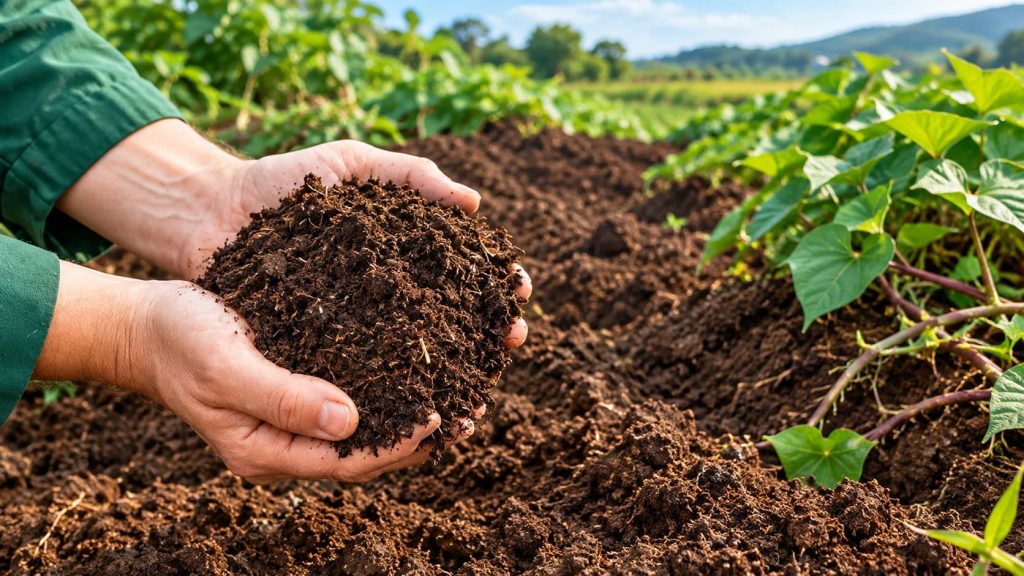
Before planting, loosen the soil in a wide area and remove large stones, weeds, and other debris. Incorporating suitable organic matter can help improve soil structure.
Avoid planting rambutan in a low area where rainwater regularly collects.
4. How to Plant a Rambutan Tree
If you are starting with a young nursery tree, dig a hole that is wider than the root ball and deep enough to accommodate the roots without forcing them upward or downward.
Place the tree so that the top of the root ball sits appropriately with the surrounding soil. Backfill gently and water thoroughly after planting.
Do not compact the soil excessively around the roots. A loose but stable planting area allows water and air to move through the soil.
Adding a layer of organic mulch around the tree can help conserve moisture and reduce weed growth. Keep mulch slightly away from direct contact with the trunk.
5. Growing Rambutan From Seed
Rambutan can be grown from seed, but this method has some disadvantages.
Fresh seeds are generally preferable because rambutan seeds can lose viability relatively quickly after being removed from the fruit. Clean the seed carefully and plant it in a suitable moist growing medium.
Place the seed in a warm location and keep the growing medium consistently moist without making it waterlogged.
Seed-grown trees can be interesting for gardeners who enjoy experimenting, but they may not produce fruit identical to the parent tree. They can also take several years to reach fruiting age.
For gardeners primarily interested in reliable fruit production, a healthy nursery-grown tree or suitable grafted plant may be a better starting point.
6. Watering Rambutan Trees
Rambutan requires consistent moisture, especially when young.
Water newly planted trees regularly so the developing root system does not become excessively dry. However, watering frequency should depend on rainfall, soil type, temperature, and drainage.
During hot or dry periods, the tree may require additional water. Check the soil rather than following a rigid schedule.
A layer of mulch can help slow moisture loss from the soil surface. Organic mulch also gradually contributes organic material as it breaks down.
The goal is to maintain evenly moist soil without creating standing water around the roots.
7. Provide Enough Sunlight
Rambutan grows best with abundant sunlight.
A young tree may appreciate some protection from intense conditions immediately after planting, especially if it was previously grown in a sheltered nursery environment. Gradually allowing it to adapt to its new location can reduce transplant stress.
Once established, a rambutan tree benefits from a bright, sunny position. Insufficient light can lead to weak growth and may reduce its ability to flower and produce fruit.
Observe the surrounding landscape as the seasons change. Nearby buildings or larger trees can eventually create shade that was not present when the rambutan was first planted.
8. Fertilizing Rambutan Trees
Rambutan benefits from access to essential nutrients during active growth.
A balanced fruit-tree fertilizer can be used according to the product label and the needs of the tree. Mature trees may have different nutritional requirements from young trees, so avoid applying excessive fertilizer.
Organic matter such as well-decomposed compost can also help support soil quality.
If the tree develops unusual leaf color, poor growth, or weak flowering, soil testing can help determine whether a nutrient imbalance may be involved. It is better to identify a potential deficiency than to repeatedly add fertilizer without knowing what the soil needs.
9. Pruning and Tree Care
Pruning can help maintain the structure and size of a rambutan tree.
Remove dead, damaged, or diseased branches when appropriate. You can also remove branches that cross one another or create an overly crowded canopy.
Avoid aggressive pruning unless necessary. Rambutan trees need healthy foliage to support growth and fruit production.
Young trees can benefit from early structural training, particularly if you want to keep the tree at a manageable height. A well-shaped tree can also make future harvesting easier.
Always use clean, suitable pruning tools when working with fruit trees.
10. Flowering and Fruit Production
One of the most exciting stages of growing rambutan is seeing the tree begin to flower and produce fruit.
The time required before a tree produces fruit depends on factors such as whether it was grown from seed or propagated vegetatively, the cultivar, climate, and growing conditions.
Healthy trees need adequate sunlight, water, nutrients, and suitable temperatures to develop well.
Flowering and fruit development may also depend on pollination. Some rambutan trees have specific flowering characteristics that can affect fruit production, so choosing an appropriate cultivar for your growing conditions is important.
Once fruit begins developing, continue providing consistent moisture and avoid major changes in care.
11. Protect the Tree From Pests and Diseases
Like other fruit trees, rambutan can be affected by insects and diseases.
Regularly inspect the leaves, young shoots, flowers, and fruit for unusual spots, discoloration, damaged tissue, or insect activity.
Good garden hygiene can help reduce problems. Remove fallen or heavily damaged plant material when appropriate, maintain good airflow around the tree, and avoid excessive watering.
If you notice a serious pest or disease problem, identify the issue before choosing a treatment. Different problems require different approaches.
12. When to Harvest Rambutan
Rambutan fruit is generally harvested when it has developed the appropriate color and maturity for its variety.
The external color can vary, so gardeners should learn the characteristics of their particular cultivar. Mature fruit should have a developed appearance and should be harvested carefully to avoid damaging the branches.
Rather than pulling individual fruits forcefully from the tree, use clean pruning shears to cut fruit clusters when appropriate.
Freshly harvested rambutan can be enjoyed immediately or stored under suitable conditions for later consumption.
Can You Grow Rambutan in a Container?
Growing rambutan in a container can be possible while the tree is young, especially for gardeners who do not have suitable outdoor space.
Choose a large container with drainage holes and use a well-draining growing medium. As the tree grows, it may eventually become too large for comfortable container cultivation.
Container-grown trees also require closer attention to watering and nutrition because their root environment is limited.
In cooler regions, a container may make it easier to protect a young tree from cold weather. However, producing fruit can still be difficult if the plant does not receive enough warmth, humidity, sunlight, or growing space.
Final Thoughts
Growing a rambutan tree at home requires patience, especially if you are starting from seed. The most important factors are a warm climate, plenty of sunlight, consistently moist but well-drained soil, adequate nutrition, and enough room for the tree to develop.
With regular observation and proper care, a rambutan tree can become a beautiful tropical fruit tree in the home garden. For a complete introduction to the fruit, including its appearance, flavor, varieties, nutrition, and other interesting facts, read our rambutan explained guide.
Whether you are planting rambutan for its delicious fruit or simply enjoy growing unusual tropical plants, watching a young tree develop into a mature fruit-bearing plant can be a rewarding gardening experience.