Rambutan is a tropical fruit that has a relatively seasonal harvest, although the exact timing depends on the country, climate, variety, and local growing conditions. Its bright red, yellow, or orange skin and soft, juicy flesh make it a popular fruit in many tropical regions.
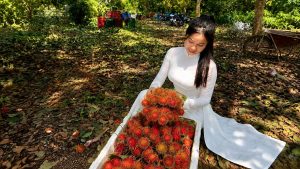
If you want to enjoy rambutan when it is freshest and easiest to find, knowing the typical harvest season can be helpful. Some regions have one main harvest each year, while others can have more than one flowering and fruiting period.
When Is Rambutan in Season?
In general, rambutan is most commonly available during the warm and rainy months in tropical growing regions. However, there is no single worldwide rambutan season.
In Southeast Asia, where rambutan has been cultivated for generations, the main harvest often occurs during the middle or latter part of the year. In some locations, growers can produce an additional crop depending on weather patterns and cultivation practices.
The fruit develops best under warm conditions with sufficient moisture. Changes in rainfall, temperature, and flowering patterns can cause harvest dates to shift from one year to another.
Rambutan Season in Southeast Asia
Southeast Asia is one of the most important growing regions for rambutan. Countries such as Thailand, Indonesia, Malaysia, and the Philippines have suitable tropical climates for commercial production.
Because these countries cover large geographic areas, harvest dates can vary considerably from one province or growing region to another.
Thailand
Thailand is well known for its tropical fruit production, including rambutan. The main rambutan season commonly occurs during the May to August period, although timing can vary by location and cultivar.
During peak season, fresh rambutan can become widely available in local markets. Different varieties may mature at slightly different times, allowing the fruit to appear over an extended period.
Indonesia
Indonesia has a warm tropical climate that supports rambutan cultivation across many regions. Depending on local rainfall and climate conditions, rambutan is often harvested during the rainy-season months, with availability commonly extending from the latter part of the year into the following months.
Because Indonesia consists of many islands and growing regions, there can be significant differences in local harvest timing.
Malaysia
Rambutan is also widely grown in Malaysia. Harvest periods can vary according to region and weather conditions, but the fruit is commonly associated with the middle to later part of the year.
Local availability can sometimes extend beyond the main harvest because different varieties and growing areas do not necessarily mature simultaneously.
Philippines
The Philippines has a tropical climate suitable for rambutan production. The fruit is commonly harvested during the second half of the year, although exact timing differs between growing areas.
Weather conditions can have a major influence on flowering and fruit development, so the season may shift somewhat from year to year.
Rambutan Season in Vietnam
Vietnam is another important rambutan-growing country, particularly in southern areas where temperatures are suitable for tropical fruit trees.
The harvest season can vary depending on the province and cultivar. In major growing areas, rambutan is often available during the summer months, with some locations producing fruit during additional periods.
The country’s different climates mean that local harvest calendars should be considered rather than assuming that all Vietnamese rambutan becomes ripe at exactly the same time.
Farmers can also use different cultivation techniques to influence flowering and harvesting periods, which may contribute to variations in market availability.
Rambutan Season by Region
A simple overview of typical rambutan availability looks like this:
| Region | Typical Season |
|---|---|
| Thailand | May–August |
| Malaysia | Mainly mid to late year |
| Indonesia | Varies, often during rainy-season periods |
| Philippines | Commonly second half of the year |
| Vietnam | Often summer, varying by growing area |
| Tropical Americas | Varies considerably by country and climate |
| Hawaii | Often summer into early fall |
These are general seasonal patterns rather than fixed dates. Weather, elevation, cultivar, irrigation, and farming practices can all influence when rambutan reaches the market.
Why Does Rambutan Have a Harvest Season?
Rambutan flowering and fruit development are strongly influenced by environmental conditions.
Temperature, rainfall, soil moisture, sunlight, and periods of relatively dry weather can all affect flowering. Once flowers develop and are successfully pollinated, the fruit needs additional time to mature.
This means that an unusual rainy or dry period can potentially change the expected harvest.
For commercial growers, understanding these seasonal patterns is important because rambutan is highly perishable compared with many fruits that can be stored for long periods.
How Long Does Rambutan Take to Ripen?
After flowering and fruit set, rambutan requires several weeks to develop and mature. The exact period varies depending on the cultivar and environmental conditions.
As the fruit approaches maturity, its outer skin develops the characteristic color associated with the particular variety. The soft spines may also change appearance.
Growers monitor the fruit carefully because harvesting too early can result in less developed flavor, while leaving mature fruit on the tree for too long can reduce quality.
When Is the Best Time to Buy Fresh Rambutan?
The best time to buy rambutan is generally during the local peak harvest season. During this period, fruit is more likely to be freshly harvested and widely available.
When shopping, look for fruit with a fresh appearance and naturally vibrant skin. Avoid rambutans with extensive mold, leaking juice, severely shriveled skin, or an unpleasant smell.
The small hair-like spines can naturally become less fresh-looking as the fruit ages, so appearance should be considered together with firmness and overall condition.
For shoppers who want the sweetest experience, buying locally harvested fruit during peak season can be a good option.
Does Rambutan Grow All Year?
Rambutan can grow in tropical climates throughout the year, but that does not necessarily mean mature fruit is available continuously.
The tree may have periods of vegetative growth, flowering, fruit development, and harvest. These stages are influenced by seasonal weather patterns.
Some growers may manipulate growing conditions to encourage flowering outside the traditional season. As a result, commercial markets can sometimes have rambutan available outside the main harvest period.
However, peak-season fruit is generally easier to find in regions where rambutan is widely cultivated.
Can You Find Rambutan in Winter?
It depends on where you live.
In tropical countries where rambutan is locally grown, winter may still fall within or close to a production period. In colder countries, fresh rambutan may be imported from tropical growing regions.
Imported fruit can therefore appear in supermarkets outside the traditional harvest season of a particular country.
Availability also depends on transportation, storage, demand, and the countries supplying the market.
Fresh Rambutan vs. Off-Season Rambutan
Fresh rambutan purchased during peak season often has the best combination of availability, appearance, flavor, and price.
Outside the main season, supermarkets may rely on imported fruit or preserved products. Canned rambutan is available in many places throughout the year and is often used in desserts and fruit drinks.
However, canned fruit can have a different texture and flavor from freshly harvested rambutan, particularly when it is packed in syrup.
For the classic juicy texture, fresh seasonal rambutan is usually the most enjoyable choice.
How to Know if Rambutan Is Ready to Harvest
Farmers look at several characteristics when determining whether rambutan is ready for harvest.
Skin color is one of the most visible signs, but the appropriate color depends on the cultivar. Some varieties become bright red when mature, while others may remain yellowish or develop different shades.
Fruit size, firmness, appearance, and the condition of the spines can also help indicate maturity.
Rambutan is generally harvested carefully to prevent unnecessary damage to the fruit and branches. Harvesting at the right stage helps preserve quality during transportation and sale.
Final Thoughts
Rambutan does not have one universal harvest season. Its availability changes according to region, variety, weather, and growing practices. In many Southeast Asian countries, the fruit is especially common during the warmer months and the middle or latter part of the year.
If you are hoping to find the freshest rambutan, look for fruit during the peak local harvest period and choose specimens that appear fresh, firm, and free from signs of spoilage.
For more information about this unusual tropical fruit, including its appearance, flavor, nutrition, varieties, and other useful facts, explore our guide to rambutan.