Rambutan is a unique tropical fruit known for its colorful skin, soft, hair-like spines, and juicy, sweet flesh. Native to Southeast Asia, it thrives in warm, humid climates and has become a favorite in tropical regions.
Let’s take a closer look at this fascinating fruit, from its flavor and nutrition to how to choose, enjoy, grow, harvest, and store fresh rambutan.
What Is Rambutan?
Rambutan is a tropical fruit that grows on the rambutan tree, scientifically known as Nephelium lappaceum. It belongs to the Sapindaceae family, which also includes lychee and longan.
The fruit gets its unusual name from the Malay word rambut, meaning “hair.” This refers to the soft, flexible spines that cover its outer skin.
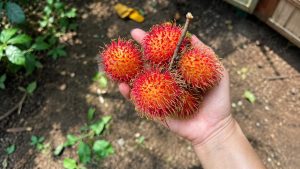
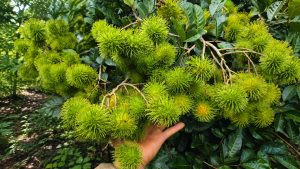
Rambutan is usually small and oval or round. Depending on the variety, the skin may be bright red, orange, yellow, or a combination of colors. Beneath the skin is translucent white or slightly pink flesh surrounding a single seed.
The fruit is especially popular throughout Southeast Asia and is also grown commercially in other tropical regions. In the United States, fresh rambutan is most often found in Asian grocery stores, specialty markets, and selected produce departments.
What Does Rambutan Look Like?
Rambutan is easy to recognize because of its unusual appearance.
A typical fruit has:
- Bright red, orange, or yellow skin
- Soft, hair-like spines
- Round or oval shape
- Translucent white flesh
- One central seed
- Juicy, tender texture
The spines may look sharp, but they are generally soft and flexible rather than hard like the spines of some other fruits.
Where Does Rambutan Grow?
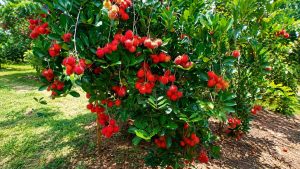
Rambutan is native to Southeast Asia and thrives in tropical environments.
It is widely cultivated in countries such as:
- Thailand
- Malaysia
- Indonesia
- Vietnam
- The Philippines
- Sri Lanka
It is also grown in other tropical areas where temperatures, rainfall, and humidity are suitable.
See also: Learn more about how to grow rambutan from seed
Rambutan trees need warmth throughout much of the year and do not tolerate frost well. This makes climate one of the most important factors when growing the fruit.
Rambutan Nutrition
Rambutan is a water-rich fruit that provides natural carbohydrates along with several vitamins and minerals.
It contains vitamin C as well as minerals such as copper and manganese. The exact nutritional profile can vary depending on the variety, growing conditions, maturity, and serving size.
Fresh rambutan can provide:
- Vitamin C
- Copper
- Manganese
- Potassium
- Natural carbohydrates
- Water
- Small amounts of other nutrients
Because rambutan is naturally sweet, it can be enjoyed as a fresh snack or combined with other fruits for a more varied meal or dessert.
As with any fruit, rambutan works best as part of an overall balanced diet rather than as a substitute for a wide range of nutritious foods.
Source: USDA FoodData Central USDA FoodData Central
Rambutan Benefits and How to Eat It
Rambutan offers more than an unusual appearance. Its juicy flesh provides nutrients that can fit into a balanced eating pattern.
Potential Benefits of Rambutan
Provides Vitamin C
Rambutan contains vitamin C, an essential nutrient involved in normal immune function and collagen production.
Adding fruits that contain vitamin C to your diet can help contribute to your daily nutrient intake.
Adds Hydration
Fresh rambutan contains a high amount of water, which contributes to overall fluid intake.
Its juicy texture also makes it a refreshing choice during warm weather.
Provides Natural Carbohydrates
Rambutan contains naturally occurring carbohydrates and sugars that give the fruit its characteristic sweetness.
This makes it an easy source of carbohydrates for a snack or fruit-based meal.
Contains Important Minerals
Rambutan provides minerals such as copper and manganese. These nutrients play important roles in normal body functions.
Adds More Fruit Variety
One of the simplest advantages of eating different fruits is variety. Rambutan offers a different taste and texture from familiar choices such as apples, bananas, oranges, and strawberries.
How to Eat Rambutan
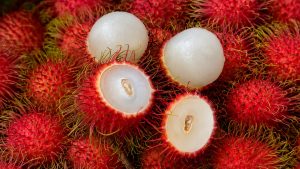
Eating rambutan is simple once you know how to open it.
First, wash the fruit under clean running water. Then make a shallow cut around the outer skin with a clean knife.
Gently pull the skin apart and remove the colorful shell. Inside, you’ll find the juicy flesh surrounding a central seed.
Remove the seed before eating the flesh.
Fresh rambutan can be enjoyed on its own or added to:
- Fruit salads
- Smoothies
- Yogurt bowls
- Tropical desserts
- Chilled fruit plates
- Homemade fruit drinks
For a refreshing snack, try serving rambutan chilled.

How to Choose Ripe Rambutan
Freshness matters when buying rambutan because the fruit can lose moisture relatively quickly after harvest.
Look for fruit that is:
- Plump and firm
- Brightly colored
- Free from major bruises
- Free from visible mold
- Fresh-looking around the spines
- Pleasantly fragrant
The exact color of ripe rambutan depends on the cultivar. Red is common, but some varieties mature with orange or yellow skin.
How to Tell If Rambutan Is Ripe
A ripe rambutan should look full and healthy rather than shriveled.
The skin should have a strong natural color, while the flesh inside should be juicy and tender.
The small spines may become darker as the fruit ages. Slight browning is not necessarily a sign that the fruit is spoiled.
However, avoid rambutans with:
- Extensive mold
- Very soft or collapsed areas
- Leaking juice
- Strong fermented odors
- Excessively dry or damaged skin
If possible, choose fruit that feels firm but not rock-hard.
Growing Rambutan and Time to Fruit
Rambutan is a tropical tree, so it needs a warm and humid growing environment.
For healthy growth, provide:
- Plenty of sunlight
- Warm temperatures
- Consistent moisture
- Well-drained soil
- High humidity
- Adequate growing space
- Protection from cold and frost
Rambutan does not perform well in cold climates. Gardeners should consider their local growing conditions before planting one outdoors.
How Long Does a Rambutan Tree Take to Fruit?
The time required for a rambutan tree to produce fruit depends on how it was propagated.
Rambutan trees typically begin producing fruit within 3–5 years. Trees grown from seed may take 5–7 years or longer, while grafted trees can often produce fruit in about 3–4 years under favorable growing conditions.
Several factors affect how quickly fruit production begins:
- Variety
- Climate
- Soil quality
- Water availability
- Sunlight
- Nutrition
- Tree health
Rambutan is a long-term fruit tree, so patience is important.
Rambutan Tree Care
Once established, rambutan needs consistent care to remain healthy.
Watering
Keep the soil consistently moist, particularly during dry periods and while the tree is young.
Avoid constantly saturated soil because poor drainage can damage the root system.
Fertilizing
A healthy rambutan tree benefits from appropriate nutrients during active growth. Fertilization should be based on soil conditions and the tree’s needs rather than applying excessive amounts.
Pruning
Remove dead, damaged, or poorly positioned branches to maintain a healthy structure.
Light pruning can also help keep the tree manageable, especially in a home garden.
Mulching
A layer of organic mulch around the root zone can help conserve soil moisture and reduce competition from weeds.
Keep mulch slightly away from the trunk to reduce the risk of moisture-related problems.
Harvesting and Storing Rambutan
Knowing when to harvest rambutan is important because the fruit does not continue improving indefinitely after picking.
Rambutan is generally harvested when the fruit has developed its characteristic mature color and full size.
Depending on the variety, mature fruit may be red, orange, or yellow.
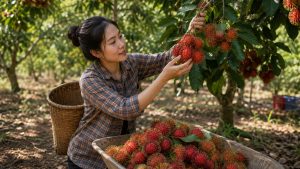
When to Harvest Rambutan
Look for:
- Fully developed fruit size
- Strong variety-specific skin color
- Healthy-looking spines
- Plump appearance
- Firm but mature texture
Commercial growers usually harvest rambutan at the appropriate maturity stage for transport and sale.
For home gardeners, fruit can be harvested when it reaches a desirable level of color and maturity.
Learn more about when rambutan is in season and the best time to enjoy this tropical fruit.
How to Store Fresh Rambutan
Fresh rambutan is best eaten relatively soon after harvest or purchase.
For short-term storage:
- Keep the fruit refrigerated
- Use a breathable produce bag or suitable container
- Avoid crushing the fruit
- Keep damaged fruit separate
- Check regularly for spoilage
Refrigeration can help slow moisture loss and preserve freshness.
If the fruit becomes moldy or develops a strong unpleasant odor, discard it rather than trying to save the affected portion.
Rambutan Recipes
Fresh rambutan is delicious on its own, but its sweet flavor also works well in simple tropical recipes.
Rambutan Fruit Salad
Combine peeled rambutan with other fresh fruits such as mango, pineapple, papaya, banana, or dragon fruit.
The result is a colorful fruit salad with a naturally sweet tropical flavor.
Rambutan Smoothie
Rambutan can be blended with other fruits for a refreshing smoothie.
Try combining peeled rambutan with:
- Banana
- Mango
- Pineapple
- Yogurt
- Milk or a plant-based alternative
Remove the seeds before blending.
Rambutan Dessert
The sweet flesh works well in simple desserts. Add chilled rambutan to yogurt, coconut-based desserts, or a tropical fruit bowl.
Its naturally juicy texture can add freshness without requiring complicated preparation.
Rambutan Fruit Drink
Peeled rambutan can also be combined with other tropical fruits and chilled water to create a refreshing fruit drink.
For the best flavor, use ripe fresh fruit rather than overripe rambutan.
Tips for Enjoying Rambutan
Rambutan is easy to enjoy once you know a few simple tricks.
Eat Rambutan Fresh
Fresh rambutan has the best combination of sweetness and juicy texture.
If the fruit is available locally, try eating it soon after purchase.
Serve It Chilled
Refrigerated rambutan can be especially refreshing during hot weather.
Simply wash the fruit, chill it, peel it, and remove the seed before serving.
Pair It With Other Tropical Fruits
Rambutan pairs naturally with many tropical fruits, including:
- Mango
- Pineapple
- Papaya
- Banana
- Dragon fruit
- Lychee
Combining different fruits can create an easy dessert or snack with a variety of flavors and textures.
Don’t Judge It by the Skin
The hairy appearance can make rambutan look unusual, especially if you’ve never seen it before.
Once peeled, however, the fruit has soft, juicy flesh that is easy to enjoy.
Rambutan vs. Lychee
Rambutan and lychee are closely related tropical fruits, but they have very different outer appearances.
Rambutan has colorful skin covered with soft, hair-like spines. Lychee has rough, bumpy skin without these distinctive spines.
Both fruits have translucent flesh surrounding a central seed and share a naturally sweet flavor.
The easiest way to distinguish them is the skin. If the fruit looks hairy, it is likely rambutan.
Fascinating Facts About Rambutan
Rambutan has a few interesting characteristics that make it stand out among tropical fruits.
- The word rambutan comes from a Malay word meaning “hair.”
- Rambutan belongs to the same family as lychee and longan.
- The fruit usually contains one central seed.
- The edible flesh is typically translucent white.
- Rambutan trees are evergreen.
- The fruit can have red, orange, or yellow skin.
- Southeast Asia is the major center of rambutan cultivation.
- Rambutan grows best in warm, humid conditions.
- Fresh rambutan is relatively perishable.
- The fruit can be eaten fresh or used in desserts and drinks.
Conclusion
Rambutan is a unique tropical fruit with colorful skin, sweet flesh, and refreshing flavor. It provides vitamin C, natural carbohydrates, water, and several minerals. Whether you enjoy it fresh, add it to tropical recipes, or grow a tree at home, rambutan is an exciting fruit to discover. Thanks for reading, and feel free to share this guide with fellow fruit and gardening enthusiasts!
Frequently Asked Questions About Rambutan
1. What does rambutan taste like?
Rambutan has sweet, juicy flesh with a refreshing tropical flavor. Its taste is often compared with lychee, although different varieties can have slightly different sweetness and texture.
2. How do you eat rambutan?
Cut or gently split the outer skin, peel it away, and remove the central seed. The translucent flesh can then be eaten fresh or added to desserts and fruit salads.
3. Is rambutan good for you?
Rambutan provides vitamin C, natural carbohydrates, water, and several minerals. Enjoyed as part of a balanced diet, it can be a nutritious and refreshing tropical fruit.
4. When is rambutan season?
Rambutan season varies by region and variety. In tropical growing areas, the fruit is commonly harvested during warm, humid periods, with timing differing between countries and local climates.
5. Can you grow rambutan at home?
Yes, rambutan can be grown at home in warm, humid climates. It needs plenty of sunlight, consistent moisture, well-drained soil, and protection from cold temperatures and frost.
Garden Guide Hub