How to grow pomegranate successfully at home? Pomegranate trees are relatively easy to grow when planted in the right conditions. They need plenty of sunlight, well-drained soil, regular watering, and proper pruning to produce healthy growth and delicious fruit. Whether you are growing a pomegranate tree in your backyard or in a large container, providing the right care from planting to harvest can help your tree thrive.
Pomegranate is a popular fruit tree known for its attractive flowers and round fruits filled with juicy, flavorful seeds. In this guide, you will learn how to grow pomegranate, including how to choose a planting location, prepare the soil, plant and water the tree, prune it, encourage fruit production, and harvest ripe pomegranates.
1. Choose the Right Pomegranate Variety
There are several types of pomegranate, and choosing a variety suitable for your climate is an important first step. Some varieties produce large, sweet fruit, while others are grown mainly for their ornamental flowers.
Choose a healthy young tree from a reputable nursery whenever possible. Look for a plant with strong stems, healthy green leaves, and no visible signs of pests or disease.
Growing a young nursery plant is usually easier for beginners than starting a pomegranate tree from seed. Seed-grown plants may take longer to produce fruit and may not produce fruit identical to the parent plant.
2. Choose a Sunny Planting Location
Pomegranate trees need plenty of sunlight to grow well and produce high-quality fruit. Choose a location that receives at least 6–8 hours of direct sunlight each day.
A sunny position also encourages flowering and helps the fruit develop its characteristic color and flavor.
Choose a location with enough space for the tree to grow. Pomegranate trees can be grown as shrubs or trained into small trees, depending on how they are pruned.
Avoid planting the tree in a location where buildings or larger trees will shade it for much of the day.
3. Prepare Well-Drained Soil
Pomegranate trees can tolerate a range of soil types, but they grow best in loose, well-drained soil. Good drainage is important because constantly wet soil can damage the roots.
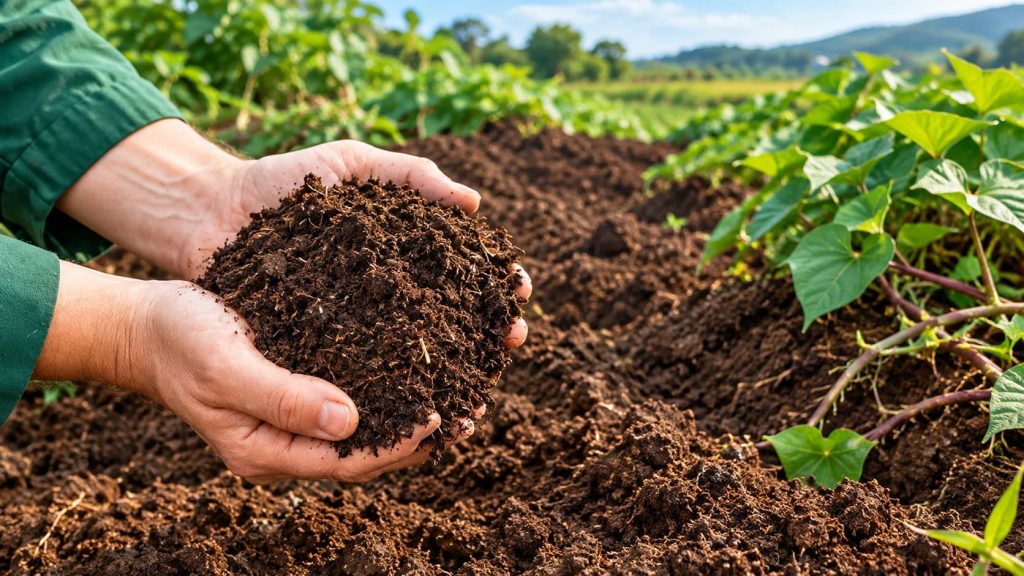
Before planting, loosen the soil and remove weeds, rocks, and other debris. Adding organic matter such as compost can improve soil structure and support healthy root growth.
If your garden has heavy clay soil or poor drainage, consider planting the tree in a raised area or improving drainage before planting.
4. Plant the Pomegranate Tree
The best time to plant a pomegranate tree is generally during the dormant season in areas with mild winters or during spring when the weather begins to warm.
Dig a hole that is wider than the tree’s root ball and approximately as deep as the root system. Place the tree in the hole at about the same depth it was growing in its nursery container.
Backfill the hole with soil and gently press around the roots to remove large air pockets. Water thoroughly after planting to help settle the soil.
If planting multiple trees, leave enough space between them for mature growth and good air circulation.
5. Water Regularly
Young pomegranate trees need regular watering while their root systems become established. Water deeply when the soil begins to dry, especially during hot or dry weather.
Once established, pomegranate trees are relatively drought tolerant. However, consistent moisture during flowering and fruit development can support better fruit growth.
Avoid excessive watering. Waterlogged soil can create unfavorable conditions for the roots and may lead to plant health problems.
A layer of organic mulch around the root zone can help retain soil moisture and reduce weed competition. Keep mulch away from direct contact with the trunk.
6. Fertilize Carefully
Pomegranate trees can grow well in fertile soil with adequate organic matter. Applying compost around the root zone can help maintain soil health.
If additional fertilizer is needed, use a balanced fertilizer according to the product instructions. Avoid excessive nitrogen because it may encourage vigorous leaf and shoot growth at the expense of flowers and fruit.
Healthy soil, sufficient sunlight, and appropriate watering are essential for good growth. Fertilizer should complement these conditions rather than replace them.
7. Prune and Train the Tree
Pruning is an important part of pomegranate tree care. The plant naturally produces suckers from the base, and these should be removed regularly if you want to maintain a tree-like shape.
Remove dead, damaged, or weak branches to improve the overall structure of the plant. You can also thin overcrowded branches to improve sunlight penetration and air circulation.
If you prefer a shrub-like appearance, allow several strong stems to develop from the base. For a small tree form, select one main trunk and remove unwanted suckers as they appear.
Avoid excessive pruning because too much cutting can reduce flowering and fruit production.
8. Encourage Flowering and Fruit Production
Pomegranate trees produce attractive flowers that can develop into fruit after successful pollination. Providing plenty of sunlight is one of the most important factors for good flowering and fruit production.
Healthy pollinators such as bees may visit the flowers and help with pollination. Planting other flowering plants nearby can help attract beneficial insects to the garden.
If the tree produces flowers but very little fruit, possible factors include poor pollination, insufficient sunlight, excessive nitrogen, or environmental stress.
Keeping the tree healthy and avoiding unnecessary chemical treatments can help create a better environment for pollinators.
9. Protect the Tree From Pests and Diseases
Pomegranate trees are generally hardy, but they can still experience problems with insects and plant diseases.
Common pests may include aphids, scale insects, whiteflies, and fruit-related pests. Check the leaves, young shoots, and fruit regularly for unusual damage or insect activity.
Good air circulation and proper watering can help maintain plant health. Remove severely damaged or diseased plant material when necessary.
Avoid overwatering and do not allow fallen fruit or plant debris to accumulate around the base of the tree.
10. Grow Pomegranate in a Container
Pomegranate trees can also be grown in large containers, making them suitable for patios and small gardens.
Choose a large container with adequate drainage holes and fill it with a well-draining growing medium. Select a naturally compact variety if possible.
Container-grown trees need more frequent monitoring because the soil can dry out faster than garden soil. Place the container in a sunny location and provide regular water when the growing medium begins to dry.
Pruning can help keep the tree at a manageable size. Repot the tree when the roots become crowded or the plant outgrows its container.
11. Harvest Pomegranates
Pomegranates usually take several months to mature after flowering. The exact harvest time depends on the variety and growing conditions.
Ripe fruit generally develops its mature color and may feel heavy for its size because of the juicy seeds inside. The shape may also become more angular as the fruit matures.
Unlike some fruits, pomegranates do not continue to ripen significantly after being harvested. For the best flavor, allow them to mature properly on the tree.
Use clean pruning shears to cut the fruit from the branch rather than pulling it off. Handle the fruit carefully to avoid damaging the skin.
12. Store and Enjoy Pomegranates
Fresh pomegranates can be stored for several weeks in a cool, dry location. They can also be refrigerated to extend their storage life.
To eat the fruit, cut it open and remove the juicy seeds, also known as arils. The arils can be eaten fresh or added to salads, yogurt, desserts, smoothies, and other dishes.
Pomegranate fruit is valued for its sweet-tart flavor and attractive appearance, making it both a nutritious food and a popular garden crop.
Conclusion
Growing pomegranate can be a rewarding experience for home gardeners. The tree performs best when it receives plenty of sunlight, well-drained soil, and appropriate watering.
Choose a suitable variety, plant it in a sunny location, prune it regularly, and provide consistent care during the growing season. With the right conditions, a healthy pomegranate tree can produce beautiful flowers and delicious fruit while adding ornamental value to the garden.
Whether grown in the ground or in a large container, pomegranate is an attractive and useful fruit plant that can be enjoyed for many years with proper care.