Watering passion fruit correctly is one of the easiest ways to support healthy vines, strong growth, flowering, and fruit development. Passion fruit grows quickly when conditions are favorable, but its vigorous growth also means it can respond poorly to prolonged drought or constantly waterlogged soil.
So, how often should you water passion fruit? There is no single schedule that works for every garden. Water needs change with temperature, rainfall, soil type, plant age, container size, and the stage of growth.
The best approach is to keep the root zone consistently moist without leaving it saturated. These passion fruit care tips will help you understand when to water, how much water to provide, and how to recognize signs of both underwatering and overwatering.
How Often Should You Water Passion Fruit?
A young passion fruit plant usually needs more frequent watering than an established vine because its root system is still developing.
During warm, dry weather, young plants may need watering several times a week. Container-grown plants can require even more frequent attention because containers dry out faster than garden soil.
Established vines generally have a larger root system and may tolerate short periods between watering when conditions are mild. However, they still benefit from consistent moisture during active growth and fruit development.
Instead of following a fixed calendar, check the soil regularly.
If the upper layer of soil feels dry and there has been little rainfall, it is usually time to water thoroughly.
Watering by Plant Age
Newly Planted Passion Fruit
Newly planted vines need regular moisture while they become established.
Water deeply enough to moisten the root zone, then allow excess water to drain away. Check the soil again before watering.
During very hot weather, monitor young plants more frequently because their smaller root systems can dry out quickly.
Established Passion Fruit Vines
Once the vine is well established, watering frequency can be reduced depending on rainfall and soil conditions.
Established plants can access moisture from a larger area, but that does not mean they should be left completely dry for extended periods.
During periods of active flowering and fruit development, consistent moisture becomes especially important.
Water More During Hot, Dry Weather
Temperature and weather have a major effect on watering needs.
Hot weather increases evaporation from both the soil and plant surfaces. Wind can also dry the soil more quickly.
During a heat wave, check your passion fruit vine more frequently. A watering schedule that works during mild spring weather may not be enough during the hottest part of summer.
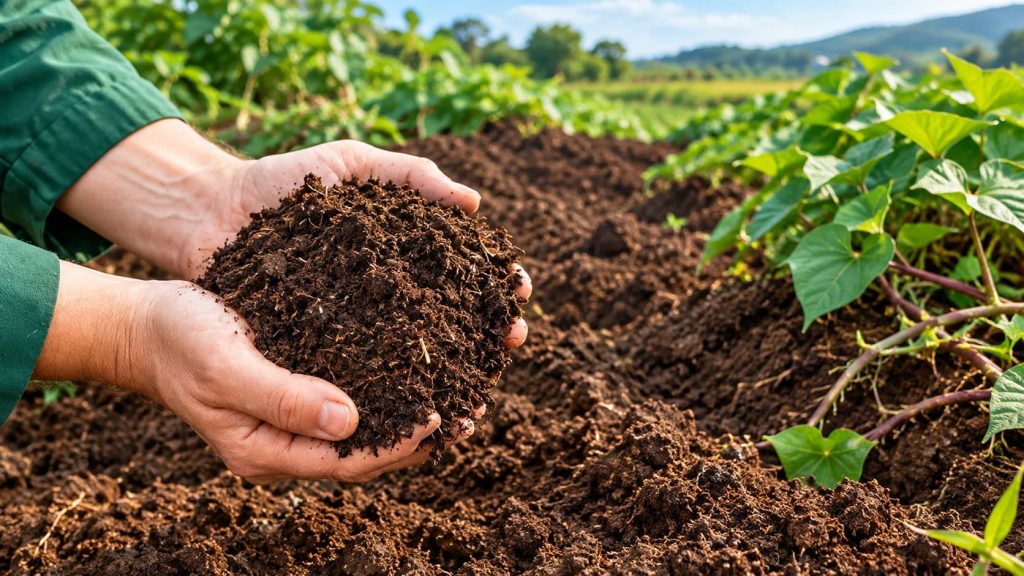
If the soil dries very quickly after watering, adding organic mulch around the root zone can help conserve moisture.
Keep the mulch a few inches away from the main stem to avoid keeping the base of the plant excessively damp.
Reduce Watering During Rainy Weather
If your area receives regular rainfall, you may not need to water manually as often.
Check the soil before adding more water. Watering an already saturated root zone can create problems, particularly if drainage is poor.
Heavy rainfall can also temporarily change soil moisture conditions. After several rainy days, allow excess water to drain before watering again.
The goal is not to keep the soil wet all the time. Passion fruit needs moisture as well as oxygen around its roots.
How Much Water Does Passion Fruit Need?
The amount of water required depends on soil, weather, plant size, and growing conditions.
Rather than giving the plant a small amount of water every day, it is often more useful to water deeply enough to moisten the main root zone.
This encourages roots to explore the surrounding soil.
However, heavy watering should only be done when the soil can drain properly. If water remains around the roots for long periods, the plant may suffer from poor root health.
A useful rule is simple: water deeply, then allow excess water to drain.
The Best Time of Day to Water
Early morning is generally a good time to water passion fruit.
Morning watering gives the plant access to moisture during the warmer part of the day while allowing excess moisture on foliage to dry.
If you cannot water in the morning, late afternoon can also work. Avoid repeatedly wetting the foliage late at night, especially in humid conditions.
A soaker hose or drip irrigation system can be useful because it delivers water close to the root zone rather than constantly wetting the leaves.
Watering Passion Fruit in Containers
Container-grown passion fruit usually needs more frequent monitoring than plants growing directly in the ground.
Containers have limited soil volume, so moisture can disappear quickly during hot weather.
Check the container regularly by feeling the surface of the growing medium. If it is dry several centimeters below the surface, the plant may need water.
Always use a container with drainage holes.
If water cannot escape, the roots can remain excessively wet even when the surface appears dry.
During particularly hot periods, container plants may need daily attention, but do not automatically water every day without checking the soil.
Signs Your Passion Fruit Needs More Water
Passion fruit can show several signs when it is experiencing water stress.
Common symptoms include:
- Wilting leaves
- Drooping young shoots
- Dry soil
- Slow growth
- Flowers dropping prematurely
- Poor fruit development
- Leaves becoming dry or curled
A mildly wilted plant may recover after thorough watering if drought is the cause.
However, repeated severe wilting can place unnecessary stress on the vine and may reduce flowering and fruit production.
Signs You Are Overwatering
Overwatering can be just as problematic as underwatering.
Possible signs include:
- Soil that remains wet for long periods
- Yellowing leaves
- Weak or slow growth
- A consistently damp root zone
- Poor overall plant vigor
- Root problems caused by poor drainage
One important point is that yellow leaves do not automatically mean the plant needs more water. Adding more water without checking the soil can make the problem worse.
Always look at the entire growing environment before changing your watering routine.
Soil Type Changes Watering Frequency
Soil composition strongly influences how quickly the root zone dries.
Sandy or very loose soil tends to drain quickly and may require more frequent watering.
Heavy clay soil can hold water for longer and may require less frequent irrigation.
Well-drained soil with good organic matter can provide a useful balance between moisture retention and drainage.
If your soil dries extremely quickly, organic matter and mulch may help improve moisture retention. If water remains stagnant, improving drainage should be a priority.
Watering During Flowering
Flowering is an important stage for passion fruit production.
Water stress during flowering can affect the plant’s ability to maintain flowers and support later fruit development.
This does not mean the vine should be kept constantly wet.
Instead, aim for consistent moisture and avoid allowing the plant to experience repeated cycles of severe drying followed by excessive watering.
Stable growing conditions are generally better than dramatic changes in soil moisture.
Watering During Fruit Development
Once fruit begins developing, consistent water availability remains important.
A lack of moisture can stress the plant and affect fruit growth. At the same time, excessive watering can create root problems and weaken the plant.
Continue checking the soil and adjust irrigation according to weather conditions.
If rainfall is adequate, additional irrigation may not be necessary.
Should You Water Passion Fruit Every Day?
Not necessarily.
Daily watering can be appropriate in some situations, such as very hot weather with a container-grown plant, but it is not a universal rule.
Watering every day when the soil is already moist can lead to excessive moisture around the roots.
Instead, check the soil and consider recent rainfall, temperature, plant size, and soil drainage.
The plant should receive enough water to prevent prolonged drought while still having access to well-aerated soil.
Using Mulch to Conserve Moisture
Mulch can be extremely helpful for passion fruit grown outdoors.
Organic materials such as composted plant material, straw, or wood-based mulch can reduce evaporation from the soil surface.
Mulch also helps moderate soil temperature and can reduce rapid moisture fluctuations.
Apply a moderate layer around the root zone, leaving space around the stem.
As mulch breaks down, it can also contribute organic matter to the soil.
Drip Irrigation for Passion Fruit
Drip irrigation can make watering easier, particularly when growing several passion fruit vines.
Instead of delivering water across the entire garden, drip systems apply moisture close to the root zone.
This can reduce unnecessary water loss and keep irrigation more consistent.
A timer can also help automate watering, but automatic systems should still be adjusted according to rainfall and seasonal conditions.
Do not assume a timer means the plant will always receive the correct amount of water.
Common Watering Mistakes
Several common mistakes can interfere with healthy passion fruit growth.
Watering on a rigid schedule: The plant’s needs change with weather and soil conditions.
Giving small amounts too frequently: This may not adequately moisten the deeper root zone.
Ignoring drainage: Even a well-watered plant can suffer if excess water cannot escape.
Watering despite rainfall: Always check the soil first.
Wet foliage every evening: Constantly damp leaves can increase disease risk in humid environments.
Ignoring containers: Potted vines can dry out much faster than plants growing in the ground.
Avoiding these mistakes can make your watering routine more effective without necessarily using more water.
A Simple Passion Fruit Watering Routine
For a practical routine, follow these steps:
- Check the soil before watering.
- Consider recent rainfall.
- Look at the weather forecast and temperature.
- Water when the root zone is beginning to dry.
- Water thoroughly rather than giving only a tiny amount.
- Make sure excess water can drain away.
- Check the plant again during hot or windy weather.
- Adjust the schedule as the seasons change.
This approach is more reliable than following a fixed number of watering days throughout the entire year.
Final Thoughts
Passion fruit does best when watering is consistent but not excessive. Young vines usually need closer attention, while established plants can often tolerate longer intervals between watering.
The most important factors are soil moisture, drainage, weather, plant age, and the stage of growth. During flowering and fruit development, avoiding severe water stress can help support better production.
Use these passion fruit care tips as a starting point, but let the actual condition of your soil and plant guide your watering decisions. With good drainage, adequate moisture, and regular observation, your passion fruit vine can develop strong growth and produce a healthier crop.
FAQ About Watering Passion Fruit
How often should I water passion fruit?
Water when the root zone begins to dry. Young plants may need watering several times per week during warm weather, while established vines may need less frequent irrigation depending on rainfall and soil conditions.
Can passion fruit be overwatered?
Yes. Constantly wet soil can cause root problems and weaken the plant. Good drainage is essential.
Should I water passion fruit every day?
Not always. Daily watering may be necessary in some hot, dry conditions, especially for container plants, but you should check the soil before watering.
What is the best time to water passion fruit?
Early morning is generally a good time. It allows the plant to use moisture throughout the day and gives wet foliage time to dry.
Does passion fruit need more water when fruiting?
Consistent moisture is important during fruit development. Avoid both prolonged drought and excessive watering.
Can mulch help passion fruit plants?
Yes. Mulch can reduce evaporation, moderate soil temperature, and help maintain more consistent soil moisture around the root zone.