How to grow pineapple successfully at home? Pineapple is one of the easiest tropical fruits to grow when provided with warm temperatures, plenty of sunlight, well-drained soil, and moderate watering. Unlike many fruit trees, pineapple grows as a compact plant close to the ground, making it suitable for gardens, raised beds, and large containers.
You can grow a pineapple plant from a nursery plant, a crown cut from a fresh pineapple, or suckers produced by an established plant. With proper care, patience, and the right growing conditions, even beginners can enjoy growing their own fresh pineapple at home.
1. Choose a Healthy Pineapple Plant
The first step in growing pineapple is choosing a healthy plant. You can purchase a young pineapple plant from a nursery or grow a new plant from the leafy crown of a mature pineapple.
If you want to grow pineapple from a fruit crown, choose a fresh pineapple with healthy, green leaves. Avoid crowns with yellowing leaves, signs of rot, or damaged centers.
You can also propagate pineapple from suckers, which are small shoots that develop around the base of a mature plant. These young plants often establish faster than crowns and may produce fruit sooner.
2. Choose the Right Location
Pineapple plants need plenty of sunlight for healthy growth and fruit production. Choose a location that receives at least 6 hours of direct sunlight each day. More sunlight is often beneficial in suitable climates.
A warm, sunny position can help the plant grow strong and encourage fruit development. If you live in a cooler climate, growing pineapple in a container can make it easier to move the plant indoors during cold weather.
Avoid planting pineapple in areas that remain wet after heavy rain. Good drainage is essential for preventing root problems.
3. Prepare Well-Drained Soil
Pineapple grows best in loose, well-drained soil. The plant has a relatively shallow root system and does not perform well in constantly waterlogged conditions.
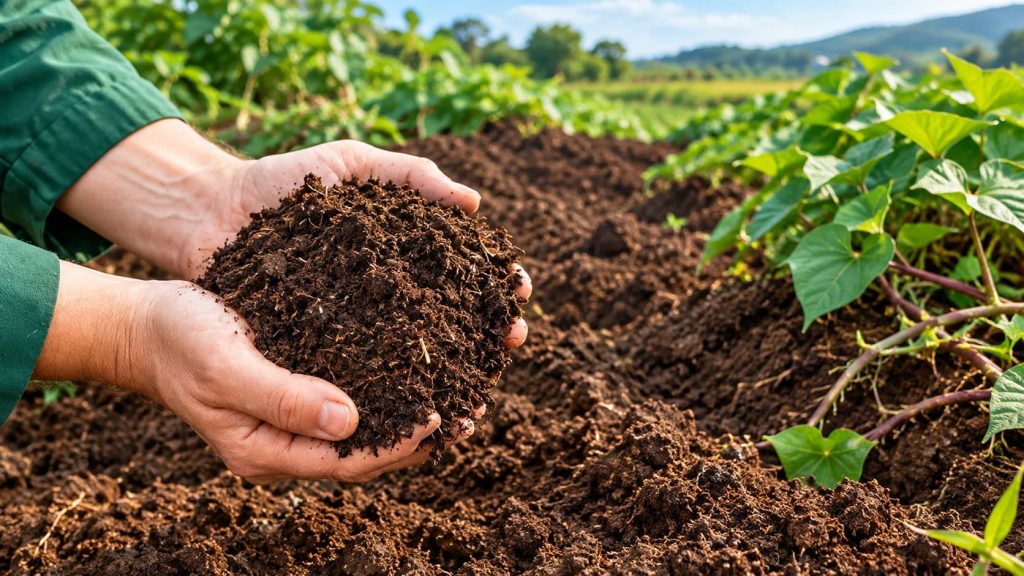
Before planting, loosen the soil and remove weeds and large stones. You can improve the soil by mixing in organic matter such as compost.
If your garden soil is heavy or drains poorly, consider growing pineapple in a raised bed or container. Use a well-draining potting mix for container-grown plants.
Pineapple prefers slightly acidic soil, which can support healthy nutrient availability and growth.
4. Plant the Pineapple
If you are planting a pineapple crown, remove any remaining fruit flesh from the base and allow the cut surface to dry for several days. This can help reduce the risk of rot when the crown is planted.
Plant the crown in well-drained soil, covering only the lower portion of the stem. Avoid burying the center of the plant.
Water lightly after planting and place the plant in a warm, sunny location. New roots may take several weeks to develop.
If planting a sucker or young pineapple plant, place it in the soil at approximately the same depth it was previously growing.
5. Water Pineapple Properly
Pineapple plants are relatively drought tolerant once established, but they still need water for healthy growth.
Water the plant when the soil begins to dry. During hot and dry weather, the plant may need more frequent watering.
Avoid keeping the soil constantly wet. Overwatering is one of the most common problems when growing pineapple and can contribute to root rot.
Pineapple plants can also collect water in the center of their leaves. However, the soil should still drain well and should not remain saturated.
Container-grown pineapple may dry out faster than plants grown in the ground, so check the soil regularly.
6. Provide Warm Temperatures
Pineapple is a tropical plant that grows best in warm conditions. It prefers temperatures generally between 65°F and 85°F (18°C and 29°C).
Protect the plant from frost and prolonged cold temperatures. If you live in an area with cold winters, grow pineapple in a container so it can be moved indoors or to a protected location when temperatures drop.
Growth may slow considerably during cooler weather. Avoid placing container-grown pineapple near cold drafts or heating vents when growing it indoors.
7. Fertilize the Plant
Pineapple plants benefit from regular nutrients during active growth. You can add compost or use a suitable fertilizer according to the product instructions.
Avoid applying excessive fertilizer, especially directly against the plant. Too much nitrogen may encourage leafy growth without supporting good fruit development.
For a natural approach, maintaining healthy soil with compost and organic matter can provide nutrients while improving soil structure.
The plant’s nutrient needs may change as it matures and begins preparing to produce fruit.
8. Give the Plant Enough Space
Pineapple plants grow outward and develop long, pointed leaves. Although they are relatively compact compared with fruit trees, they still need enough space for healthy growth.
Avoid planting them too close together. Good spacing allows better air circulation and makes it easier to inspect the plants for pests or diseases.
If you are growing pineapple in containers, choose a pot large enough to support the mature plant. Make sure the container has drainage holes at the bottom.
9. Manage Suckers and Offsets
Mature pineapple plants can produce suckers or offsets around the base. These young shoots can be used to grow additional pineapple plants.
If you want to maintain the main plant’s energy for fruit production, you can remove some unwanted suckers. Alternatively, allow one or two healthy shoots to develop for future propagation.
When separating a well-developed sucker, handle it carefully and plant it in well-drained soil.
Growing pineapple from suckers is an effective way to expand your pineapple garden without purchasing new plants.
10. Protect Pineapple From Pests and Problems
Pineapple plants are generally easy to care for, but they can occasionally experience pest problems. Common pests may include mealybugs, scale insects, and mites.
Inspect the leaves regularly for unusual spots, discoloration, insects, or signs of damage.
Good growing conditions can help keep plants healthy. Avoid excessive watering and provide adequate air circulation around the plant.
If you notice a pest problem, identify the pest before choosing a treatment. Removing affected plant material and maintaining good garden hygiene can also help reduce problems.
11. Be Patient While the Pineapple Grows
One of the most important things to understand about growing pineapple is that it takes time. A pineapple plant may need many months, or sometimes longer, before producing a mature fruit.
The exact time depends on the variety, climate, growing method, and overall plant health.
Plants grown from crowns may take longer to produce fruit than plants propagated from suckers or slips.
During this period, focus on providing adequate sunlight, proper watering, and good growing conditions rather than expecting immediate fruit production.
12. Harvest Pineapple at the Right Time
Knowing when to harvest is an important part of growing pineapple. A mature pineapple usually develops a pleasant fragrance and changes color as it approaches ripeness.
Depending on the variety, the skin may become more yellow or golden as the fruit matures. The fruit should also feel firm but slightly springy when gently pressed.
Once the pineapple reaches the desired level of maturity, use a clean knife to cut the fruit from the plant.
Freshly harvested pineapple can be enjoyed on its own or used in smoothies, fruit salads, desserts, and many other dishes.
13. Grow Pineapple in a Container
Growing pineapple in a container is an excellent option for beginners and gardeners with limited space.
Choose a container with good drainage and fill it with a loose, well-draining growing medium. Place the container in a sunny location where the plant can receive plenty of direct light.
Container-grown pineapple can be moved to a protected area during cold weather. However, remember that the plant still needs sufficient sunlight indoors.
Monitor moisture carefully because container soil can dry out faster than garden soil, but avoid overwatering.
Conclusion
Learning how to grow pineapple is relatively simple when you provide the plant with the right conditions. Choose a healthy crown, sucker, or young plant, place it in well-drained soil, and provide plenty of sunlight and warm temperatures.
Water carefully, protect the plant from cold weather, and give it enough time to mature. With patience and consistent care, beginners can successfully grow pineapple at home and eventually enjoy a fresh, flavorful fruit harvested from their own garden.