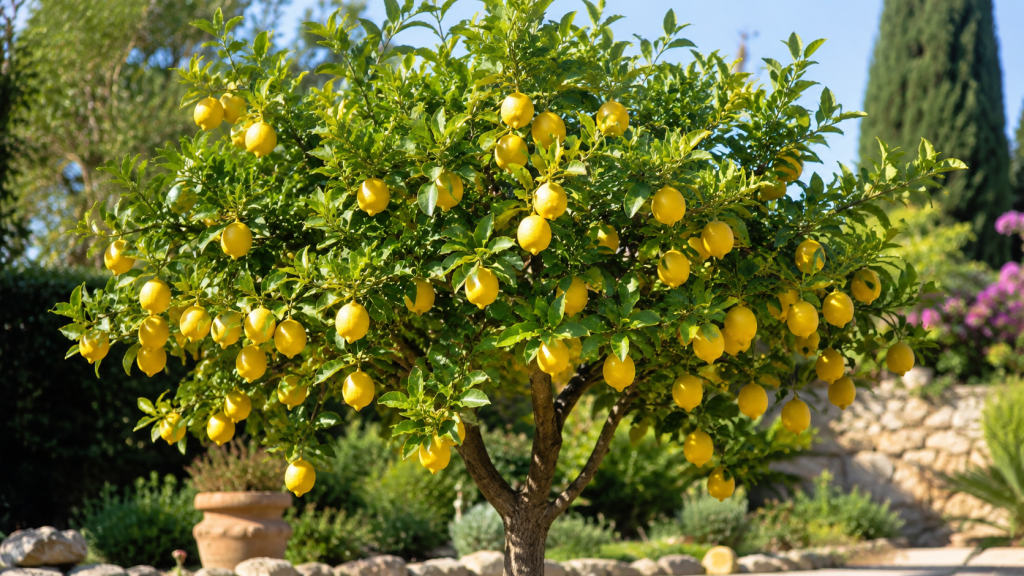
How to grow tangerines successfully at home? Tangerines are popular citrus fruits known for their sweet flavor, juicy segments, and easy-to-peel skin. Tangerine trees are relatively easy to grow when they receive plenty of sunlight, warm temperatures, well-drained soil, and regular care. They can be grown in the ground in suitable climates or in large containers where winters are too cold.
With the right growing conditions and a little patience, beginners can grow a healthy tangerine tree and enjoy fresh fruit from their own garden. This guide explains how to plant, water, fertilize, prune, and harvest tangerines.
Table of Contents
- 1. Choose the Right Tangerine Variety
- 2. Choose a Sunny Planting Location
- 3. Prepare Well-Drained Soil
- 4. Plant the Tangerine Tree
- 5. Water Tangerine Trees Properly
- 6. Fertilize the Tree
- 7. Prune and Shape the Tree
- 8. Encourage Flowering and Fruit Production
- 9. Protect Tangerine Trees From Pests and Diseases
- 11. Thin Excess Fruit if Necessary
- 12. Harvest Tangerines at the Right Time
- 13. Store and Enjoy Fresh Tangerines
- Conclusion
1. Choose the Right Tangerine Variety
The first step in growing tangerines is choosing a variety that suits your climate and garden space. Different varieties can vary in fruit size, sweetness, harvest time, and cold tolerance.
If you are a beginner, buying a healthy grafted tree from a reputable nursery is often easier than growing a tangerine tree from seed. Grafted trees are usually more predictable and may produce fruit sooner than seed-grown plants.
Choose a healthy young tree with green leaves, strong branches, and no obvious signs of pests or disease. If possible, select a variety known to perform well in your local growing conditions.
2. Choose a Sunny Planting Location
Tangerine trees need plenty of sunlight to grow vigorously and produce sweet, flavorful fruit. Choose a location that receives at least 6–8 hours of direct sunlight every day.
A sunny position also helps the tree produce flowers and supports fruit development. Avoid planting the tree in deep shade or close to large trees that compete for sunlight, water, and nutrients.
Choose a location protected from strong winds if possible. Young citrus trees can be damaged by harsh winds, and strong wind may also cause branches to break or fruit to fall prematurely.
3. Prepare Well-Drained Soil
Tangerine trees grow best in fertile, well-drained soil. Good drainage is essential because citrus roots do not tolerate constantly wet conditions.
Before planting, loosen the soil and remove weeds, rocks, and large debris. Adding organic matter such as compost can help improve soil structure and support healthy root growth.
If your garden has heavy clay soil or poor drainage, consider planting the tree on a raised mound or in a raised bed. For container-grown tangerines, always choose a pot with adequate drainage holes.
4. Plant the Tangerine Tree
The best time to plant a tangerine tree is generally during spring or when the weather is mild and the risk of extreme cold has passed.
Dig a hole that is wider than the tree’s root ball but not significantly deeper. Place the tree in the hole so that the top of the root ball remains level with or slightly above the surrounding soil.
Fill the hole with soil and gently press around the roots. Water thoroughly after planting to help settle the soil.
Avoid burying the trunk or graft union. Keeping the trunk above the soil surface can help reduce the risk of moisture-related problems.
5. Water Tangerine Trees Properly
Young tangerine trees need regular watering while their root systems become established. Water deeply when the top layer of soil begins to dry.
During hot or dry weather, the tree may need more frequent watering. However, avoid watering too often or allowing the roots to remain in saturated soil.
Once established, tangerine trees are more tolerant of short periods of dry weather. Still, consistent moisture is especially important during flowering and fruit development.
A layer of organic mulch around the root zone can help retain moisture and reduce weed competition. Keep mulch several inches away from the trunk to improve air circulation and prevent excessive moisture around the base.
6. Fertilize the Tree
Tangerine trees need nutrients for healthy leaves, flowers, and fruit production. A citrus fertilizer can be applied according to the product’s instructions.
Young trees may benefit from regular feeding during the growing season, while mature trees generally need nutrients at appropriate times throughout the year.
Avoid applying excessive fertilizer directly against the trunk or roots. Too much fertilizer can damage the plant and may encourage excessive leafy growth.
Adding compost around the root zone can also help improve soil health and provide organic matter. Always water the soil after applying granular fertilizer if required by the product instructions.
7. Prune and Shape the Tree
Tangerine trees generally require only light pruning. Remove dead, damaged, or diseased branches to maintain the tree’s health.
You can also remove branches that cross or grow inward, as well as weak growth that creates excessive crowding. Good air circulation can help reduce the risk of some plant diseases.
Remove suckers that develop below the graft union because they can compete with the main tree.
Avoid heavy pruning unless necessary. Excessive pruning can reduce the amount of foliage available to support fruit development and may expose branches to strong sunlight.
8. Encourage Flowering and Fruit Production
Tangerine trees need sufficient sunlight, water, and nutrients to produce flowers and fruit. Healthy trees usually flower during a specific season, depending on the variety and local climate.
Pollinators such as bees may visit citrus flowers and help with pollination. Planting flowering plants nearby can help attract beneficial insects to the garden.
If a young tree produces flowers or fruit too early, removing some of them may help the tree focus energy on establishing a strong root and branch structure.
Be patient with young trees. Fruit production often improves as the tree becomes more established.
9. Protect Tangerine Trees From Pests and Diseases
Tangerine trees can occasionally be affected by pests such as aphids, scale insects, mites, and citrus-related diseases.
Check the leaves, stems, and young shoots regularly for unusual spots, curled leaves, sticky residue, or visible insects.
Good air circulation, proper watering, and healthy soil can help maintain plant health. Remove heavily damaged plant material when appropriate and keep fallen leaves and fruit from accumulating around the base.
If you notice a serious pest or disease problem, identify the cause before choosing a treatment. Avoid unnecessary pesticide use, especially when the tree is flowering and pollinators are active.
11. Thin Excess Fruit if Necessary
A healthy tangerine tree may sometimes produce more fruit than it can support. If the branches become heavily loaded, thinning some small or poorly developed fruit can help reduce stress on the tree.
Thinning may also help improve the size and quality of the remaining fruit.
However, avoid removing too much fruit from a healthy mature tree. Young trees may benefit more from fruit thinning because they are still developing their structure.
12. Harvest Tangerines at the Right Time
Knowing when to harvest is an important part of growing tangerines. The exact harvest time depends on the variety and growing conditions.
Ripe tangerines usually develop their characteristic orange color and become fragrant. The fruit should feel firm but slightly soft when gently pressed.
Do not rely only on skin color because some citrus varieties can develop color before the fruit is fully mature.
Taste one fruit to check its sweetness and flavor before harvesting a large quantity. When the fruit is ready, use clean pruning shears to cut it from the branch or gently twist it away from the tree.
Avoid pulling forcefully because this can damage the fruit or the branch.
13. Store and Enjoy Fresh Tangerines
Freshly harvested tangerines can be enjoyed immediately or stored for later use. Keep the fruit in a cool, dry location for short-term storage.
Refrigeration can help extend freshness. Avoid storing damaged or bruised fruit together with healthy fruit because damaged fruit may spoil more quickly.
Tangerines can be eaten fresh, added to fruit salads, used in desserts, or squeezed for juice. The fragrant peel can also be used in cooking when properly washed.
Conclusion
Learning how to grow tangerines can be a rewarding experience for beginner gardeners. Tangerine trees grow best in sunny locations with warm temperatures, well-drained soil, and consistent moisture.
Choose a healthy variety suited to your climate, plant it in a sunny location, and provide regular water and appropriate nutrients. Light pruning, good air circulation, and regular inspection for pests can help keep the tree healthy.